
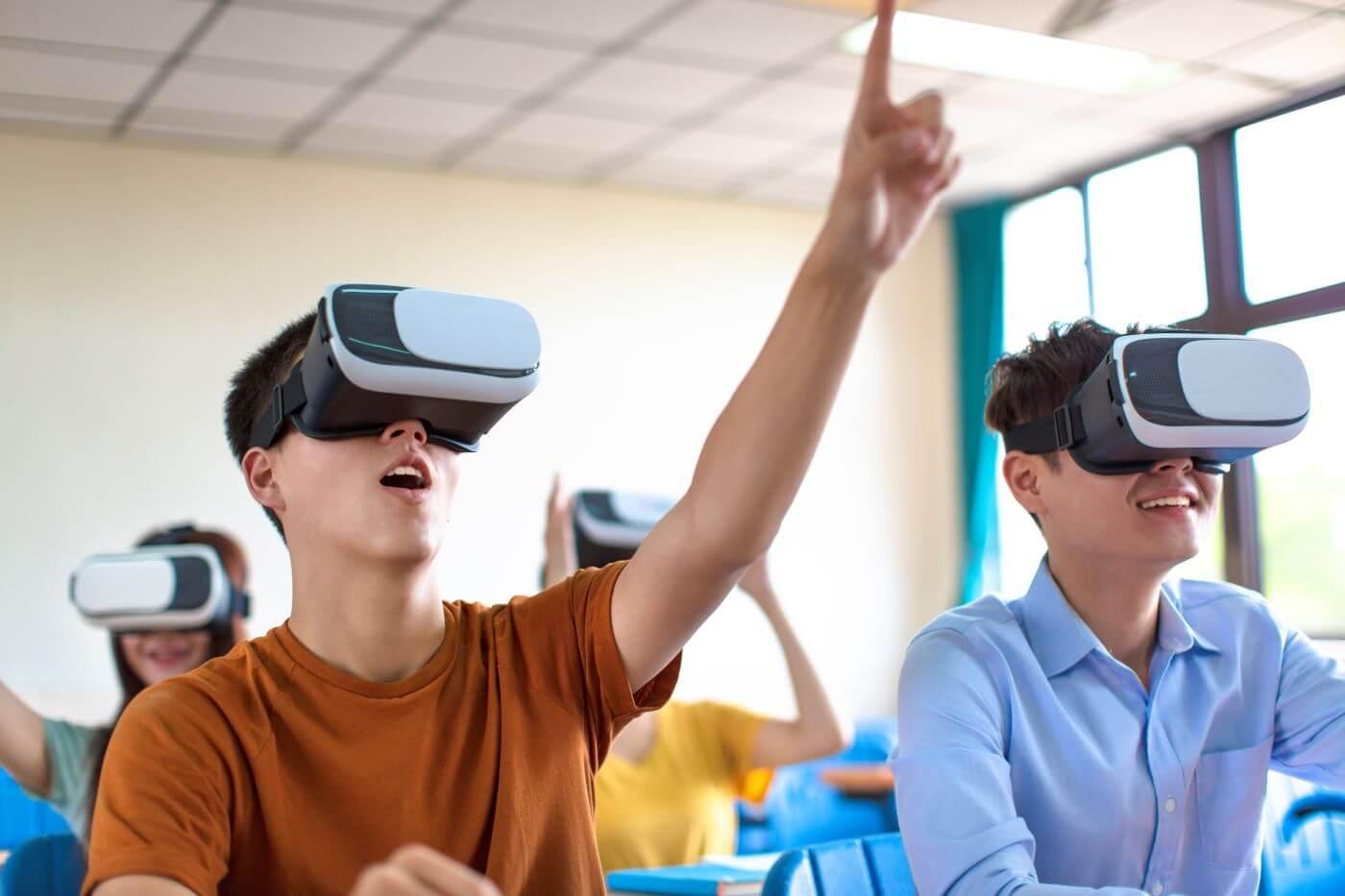
Top Case Studies of Successful VR/AR Implementations in Schools
Immerse yourself in transformative real-life examples of how virtual and augmented reality (VR/AR) are revolutionizing education across the globe.
Introduction: The Rise of VR/AR in education
The use of virtual Reality (VR) and Augmented Reality (AR) in education has gained remarkable momentum in recent years. These cutting-edge technologies are not just futuristic concepts; they are actively reshaping classroom experiences today. From interactive science lessons to immersive history explorations, VR and AR are enabling students to engage with the curriculum like never before. In this article, we delve into real-world examples—presenting the top case studies of successful VR/AR implementations in schools—to inspire educators, administrators, and technology decision-makers seeking to enrich student outcomes.
Benefits of Virtual and augmented Reality in Schools
- Enhanced Student Engagement: Interactive and immersive experiences captivate students, increasing motivation to learn.
- Deepened Understanding: Complex or abstract concepts become more understandable through experiential learning.
- Safe Simulations: Students can perform virtual experiments or explore perilous environments safely.
- Inclusivity: Differentiated instruction and accessibility for diverse learning needs are supported by customizable VR/AR content.
- Global Connection: virtual field trips and collaborative platforms connect students to global resources and cultures.
Top Case studies of VR/AR Implementations in Schools
Let’s explore some leading examples of how schools around the world have harnessed the power of VR and AR to create exceptional learning environments.
1. The Quest for Curiosity: VR Expeditions at Bletchley Park School (United Kingdom)
Bletchley Park School in the UK set a benchmark for immersive learning by integrating Google Expeditions VR into thier curriculum. Teachers used VR headsets to take students on virtual field trips, including tours of ancient Egypt, spacewalks, and deep-sea explorations. The results were outstanding:
- 30% increase in science concept retention among students who participated in VR lessons compared to traditional methods.
- Students reported a higher sense of presence and enthusiasm towards learning unfamiliar topics.
- Teachers cited VR as a powerful tool for breaking down complex subjects, especially in history, geography, and biology.
2. AR-Powered History Lessons at morgan Park High (United States)
morgan Park High School piloted Augmented Reality apps to transform history classes. Students used tablets and AR-enabled workbooks to interact with 3D animations of ancient events, such as significant battles and archaeological discoveries. key outcomes included:
- Significant boost in student engagement and curiosity about historical content.
- History test scores increased by 15% over the semester following AR integration.
- Students developed stronger spatial awareness and visual memory through AR reconstructions of ancient sites.
3. Science Simulations at The Sydney STEM Academy (Australia)
The Sydney STEM Academy leveraged lab simulations through VR to bridge the gap between theory and hands-on experimentation. By utilizing software like Labster, students could conduct realistic biology and chemistry experiments virtually, which otherwise were limited due to cost or safety concerns.
- Access to 37% more lab experiences without resource constraints.
- Improved confidence in handling real lab equipment after virtual practice.
- Teachers observed more collaborative problem-solving among students during group VR labs.
4.Special Needs Education: AR Tools at Minerva Elementary (Canada)
Minerva Elementary pioneered AR to support students with diverse learning needs. Using apps designed for dyslexia, autism, and ADHD, educators crafted personalized experiences that made learning more accessible.
- Students with dyslexia used AR overlays for text assistance, greatly improving reading fluency.
- Storytelling with AR character visuals increased social engagement for learners on the autism spectrum.
- AR’s interactive cues helped students with ADHD maintain attention during lessons.
5. Language Immersion via VR at Liceo Europeo (Spain)
Liceo Europeo introduced VR-based language immersion, allowing students to practice English in digitally rendered real-world settings, such as markets and airports. With conversational avatars and scenario-based gameplay, results included:
- Noticeable improvement in speaking and listening skills as reported by language teachers.
- VR immersion reduced language anxiety, leading to greater participation by shy or reserved students.
- Students described the experience as “fun, realistic, and motivating.”
First-Hand Experience: Teacher and Student Voices
“Seeing my students’ faces light up as they walk through the solar system in VR is something I never experienced in a regular classroom. Virtual reality isn’t just a teaching aid—it’s a window into endless possibilities.”
— Mrs. Elena Roberts, Science Teacher, Bletchley Park School
“I used to be nervous in English class, but talking to virtual people in VR made it easier. Now, I feel more confident speaking in real life, too.”
— Carlos G.,9th-grade student,Liceo Europeo
Practical Tips for Implementing VR/AR in Schools
Interested in bringing immersive technology to your classrooms? Here are actionable tips for successful VR/AR implementation in education:
- Start Small: Pilot VR or AR in one subject or grade before expanding school-wide.
- Professional Development: Train teachers thoroughly on device usage, troubleshooting, and content integration.
- Leverage Existing Devices: Many AR apps work on standard tablets and smartphones, reducing initial investment.
- Focus on Pedagogy: Ensure that VR/AR tools align with curriculum goals,not just trends.
- Collaborate with Tech Providers: Engage with companies like Google, Labster, and ClassVR for resources, updates, and support.
- Prioritize Accessibility: Choose platforms and experiences that cater to diverse learners, including those with disabilities.
Conclusion: The Future of Immersive Learning is Now
The evolving landscape of VR and AR in education is richer and more promising than ever before. The case studies of successful VR/AR implementations in schools highlighted in this article show just how impactful these technologies can be for student learning, engagement, and accessibility. As costs decrease and content expands, even more schools will be able to harness the power of immersive technology to foster curiosity, creativity, and mastery.Whether your school is at the start of its VR/AR journey or already exploring new frontiers, the potential for transformative educational experiences is vast. By learning from these pioneers, educators worldwide can prepare students not just for exams, but for a future powered by innovation.
Interested in more case studies, product reviews, or implementation guides? Subscribe to our newsletter for the latest in VR and AR in education!