
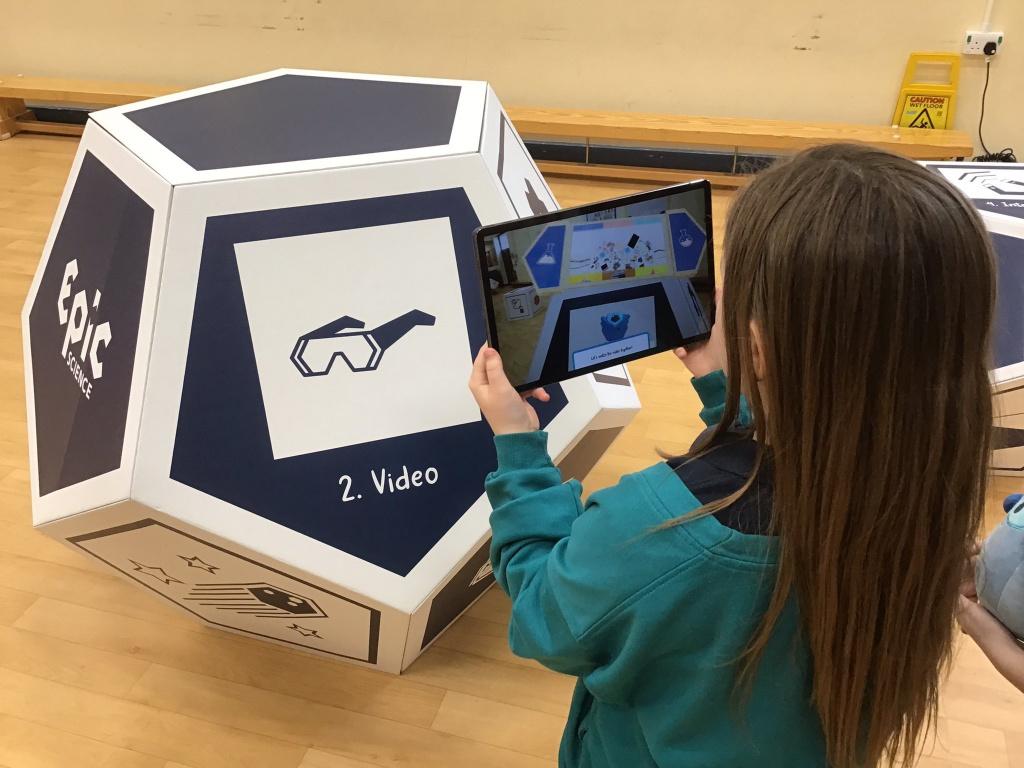
Top Case studies of Successful VR/AR Implementations in Schools: Real-World classroom Transformations
Exciting advancements in Virtual Reality (VR) and Augmented Reality (AR) have ushered in a new era for educational innovation. Schools across the globe are harnessing immersive technology to create richer, more engaging, and interactive learning experiences. In this comprehensive guide, we explore real-world case studies and share practical insights into how VR and AR implementations in schools are transforming classrooms, boosting student engagement, and redefining modern education.
Why VR/AR in Education? Key Benefits
The integration of VR and AR technology in education brings dynamic benefits to students and educators alike. Here’s why schools are embracing these cutting-edge tools:
- Enhanced Engagement: Students participate more actively in lessons, thanks to interactive visualizations and immersive simulations.
- Improved Retention: Experiential learning through VR/AR helps solidify abstract concepts, making them memorable.
- Accessible Learning: Complex subjects like science, math, and history become simpler to grasp for diverse learners.
- Real-World Skill Development: VR classroom tools prepare students for job market demands, especially in STEM fields.
- Collaborative Opportunities: Multi-user VR environments promote teamwork and peer-to-peer learning.
Top VR/AR Case Studies: Real-World Classroom Transformations
Let’s delve into remarkable case studies where schools have successfully implemented VR and AR technology, fostering transformational classroom experiences.
1. ClassVR in the United Kingdom
- School(s): Multiple primary and secondary schools (e.g., St. John’s Primary School, Wales)
- Solution Used: ClassVR headsets and content platform
Educators reported transformative outcomes using ClassVR’s headsets and platform. Students traveled virtually to historical landmarks, explored the solar system, and interacted with 3D biological models. Teachers noted improvements in lesson retention and motivation, especially among students with learning difficulties.
-
Key Results:
- 40% increase in student participation
- Notable betterment in geography and science test scores
- more inclusive learning for students with special needs
2. zSpace in the United States
- School(s): Fremont USD, San Jose, CA
- Solution Used: zSpace AR/VR Lab
zSpace’s mixed reality desktop computers empowered students to dissect virtual frogs,perform chemistry experiments safely,and visualize anatomical structures. This hands-on approach especially benefited STEM curricula, making abstract scientific concepts tangible and accessible.
-
Key Results:
- 25% increase in science and engineering comprehension levels
- Reduction in gender gap participation in STEM activities
- Positive feedback from teachers about lesson preparation and resources
3. google Expeditions: australia and Beyond
- School(s): A.B. Paterson College, Queensland & others worldwide
- Solution Used: Google Expeditions
Through Google Expeditions, students experienced virtual field trips—visiting the ancient Mayan ruins, exploring volcanoes, and journeying inside the human bloodstream! Teachers reported that even reluctant learners became curious about new topics, sparking classroom dialogue and exploration.
-
Key Results:
- 30% improvement in historical and scientific literacy
- Higher student attendance on VR/AR activity days
- Strong parental support for immersive learning initiatives
4. Merge EDU: Active STEM Learning
- School(s): Austin Autonomous School District, Texas
- Solution used: Merge EDU AR platform
Merge EDU blends AR objects and activities with curriculum. Students hold holographic molecules, planets, and artifacts in their hands using Merge Cube and compatible devices. Teachers leverage AR for formative assessment, while students enjoy “playful” science experiments.
-
Key Results:
- 50% jump in student engagement during science and math lessons
- Deeper conceptual understanding reported by educators
- Seamless integration with existing digital teaching plans
5. edutech Project: Virtual Reality for Literacy
- School(s): St. Vincent de Paul School, Portugal
- Solution Used: Custom VR apps to support language learning
St.Vincent de Paul School deployed VR storytelling modules to support literacy and second-language learning. Students immersed themselves in 3D environments, interacted with characters, and participated in narrative-based vocabulary challenges.
-
Key Results:
- 20% improvement in reading scores
- Reduction in anxiety among language learners
- Engaging, adaptive content for diverse learning levels
First-Hand Experiences: Voices from the Classroom
“The moment students put on their VR headsets, it’s like magic.Suddenly, every lesson feels like an adventure.”
– Sarah K., Science Teacher
“AR allowed me to reach my students who normally disengage. They loved manipulating molecules and exploring virtual planets.”
– Andreas M., Middle School Educator
Teachers consistently praise VR/AR in the classroom for enabling creative lesson planning, fostering inclusivity, and supporting different learning styles. Parents report that their children are more eager about attending school and frequently share VR experiences at home.
Practical Tips for Successful VR/AR Implementation in Schools
Making VR and AR a smooth and successful experience in schools requires careful planning.Here are some practical strategies to get started:
- Start Small: Pilot the technology in one subject or grade before scaling up.
- Involve Stakeholders: Get teachers, students, and parents on board early. Host demonstrations and trainings.
- Choose the Right Technology: Match VR/AR solutions (like classvr, Google Expeditions, or Merge EDU) to your curriculum and device compatibility.
- Focus on Professional Development: Give educators access to robust training, support networks, and curriculum guides.
- Monitor Results: Track engagement, achievement data, and feedback regularly to optimize integration.
- Ensure Accessibility and Safety: review content for age-appropriateness and provide options for students with special needs.
Conclusion: The Future of VR/AR in Education Is Now
Virtual Reality and Augmented Reality are more than just technological innovations—they are gateways to enriched, equitable, and impactful learning. These case studies of successful VR/AR implementations in schools demonstrate not only improvements in academics but also enthusiasm,inclusivity,and creativity. as adoption accelerates,educators have the power to shape the future classroom—one immersive experience at a time.
Weather you’re a school leader, teacher, or parent, exploring VR/AR education technology is a step toward nurturing lifelong learners prepared for tomorrow’s challenges. the opportunity for real-world classroom transformation is here—why not start your journey today?