
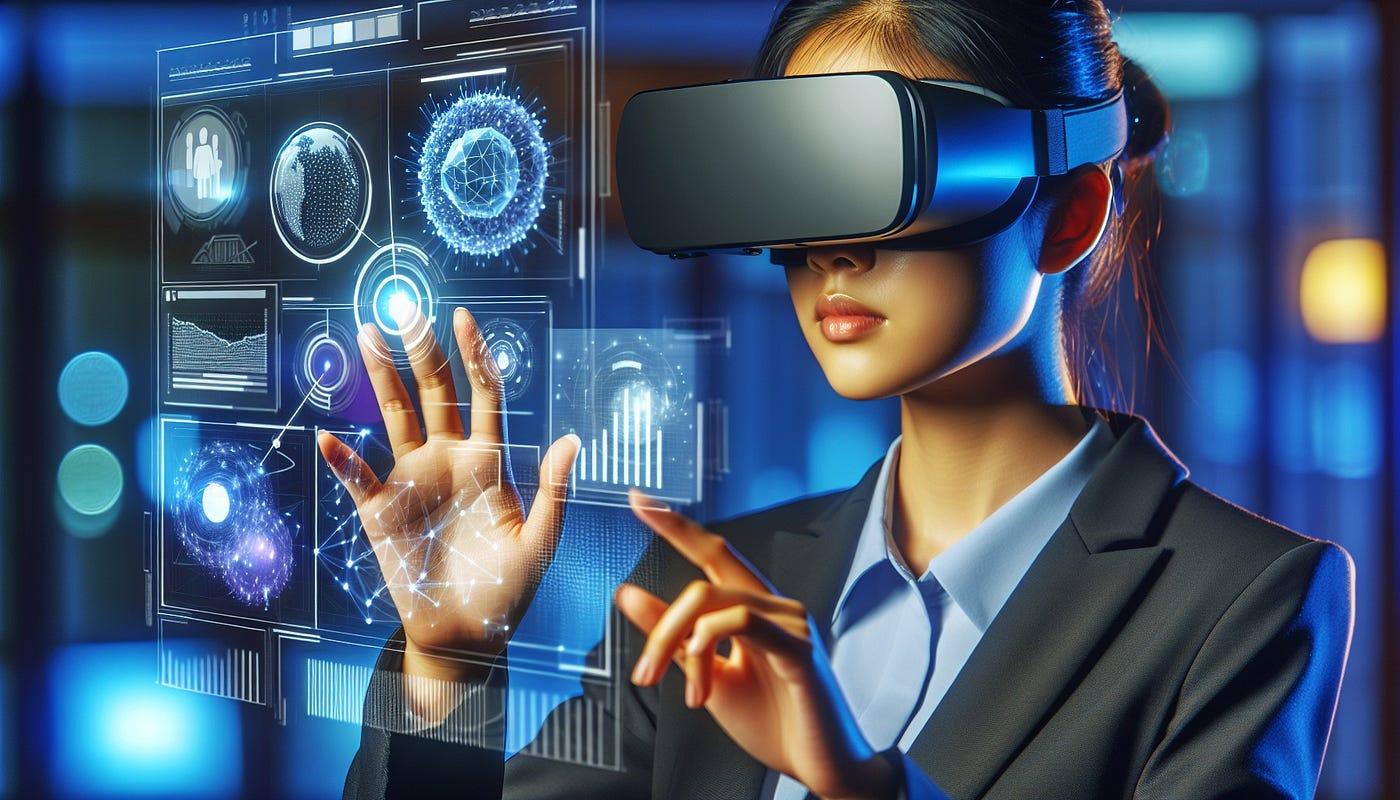
Top Case Studies of Successful VR/AR implementations in Schools: Real-World impact and Results
Virtual reality (VR) and augmented reality (AR) technologies have rapidly evolved from simple gaming platforms to powerful educational tools. Across the world, schools are embracing VR/AR to facilitate immersive learning experiences, increase engagement, and unlock new pathways for teaching. In this complete guide, we delve into the top case studies of successful VR/AR implementations in schools, showcasing tangible results and practical impact. If you’re considering adopting VR/AR in your educational institution or just seeking inspiration, you’ll find actionable insights and real-world examples below.
Why Schools Are Turning to VR/AR: Benefits and Key Considerations
- Enhanced Engagement: Students interact with content in a more immersive environment,leading to deeper understanding and retention.
- Accessible Learning: VR/AR breaks geographical barriers, allowing virtual field trips, science experiments, and cultural exchanges without leaving the classroom.
- personalized Experiences: Adaptive lessons tailored by VR/AR give students control over their pace and path, supporting differentiated learning.
- Collaboration & Creativity: Multi-user simulations encourage teamwork and problem-solving skills while fostering creativity.
Despite these compelling benefits, schools should consider factors such as device costs, teacher training, and curriculum integration to maximize successful implementation.
Top Case Studies: Real-World VR/AR in Education
Below are some of the most inspiring, data-driven case studies demonstrating how VR/AR implementation in schools is making a difference globally.
Case Study 1: VR Science Labs at The chicago Public Schools
One of the largest school districts in the United States, Chicago Public Schools piloted VR science labs in selected middle and high school classrooms. Through immersive VR software and headsets, students performed simulated chemistry and biology experiments they wouldn’t or else have access to due to budget or safety constraints.
- Key Results:
- 86% of students reported increased interest in STEM subjects.
- Teachers noted a 35% enhancement in science assessment scores.
- Student absenteeism dropped by 20% during VR-focused lessons.
- Takeaway: VR labs provided equitable access and boosted performance while enriching hands-on science learning.
Case Study 2: AR-Driven History Lessons in London Primary Schools
A group of primary schools in London partnered with a leading AR platform to transform history lessons.By using tablets and AR apps, past figures and ancient artifacts appeared “in” the classroom. Students could interact with virtual objects, making history come alive.
- Key Results:
- History test scores increased by 30% over two academic terms.
- Student engagement during lessons doubled, as measured by classroom participation metrics.
- Positive teacher feedback on lesson planning efficiency and creative possibilities.
- Takeaway: AR fostered an active learning atmosphere, deepening historical empathy and comprehension.
Case Study 3: Global VR Field Trips with Google Expeditions at Oakwood Middle School
Oakwood Middle School launched a VR initiative using Google Expeditions, enabling students to experience global landmarks, ecosystems, and historical events firsthand. With a fleet of VR headsets,the program integrated virtual field trips into social studies,geography,and literature classes.
- Key Results:
- 95% of students said VR field trips made lessons more memorable.
- Reading comprehension scores improved by 18%, as students connected firsthand visual experiences with text.
- Increased interest in global cultures and geography among students.
- Takeaway: VR field trips eliminated logistical barriers and expanded students’ worldview.
Case Study 4: Special Education Enhancement with VR at Harmony Learning Academy
Harmony Learning Academy specializes in individualized education programs for students with special needs. Their adoption of VR included customized social skills scenarios, sensory-friendly environments, and dialogue exercises.
- Key Results:
- Social skills advancement accelerated, with a 50% improvement in targeted benchmarks.
- Students with autism spectrum disorder found VR calming and motivating.
- Parents reported greater confidence in children’s ability to navigate real-world situations.
- Takeaway: VR proved especially impactful for differentiated instruction and improving life skills.
Case Study 5: AR in STEM Teaching at Singapore International Schools
International schools in Singapore integrated AR apps within STEM classrooms, emphasizing real-time math problem solving, geometry visualization, and virtual robotics assembly.
- Key Results:
- Students’ performance in complex mathematics improved by 27% within one year.
- Interest in robotics clubs and competitions soared.
- Teachers streamlined lesson delivery, using AR to demonstrate abstract concepts dynamically.
- Takeaway: AR enhanced STEM teaching by bridging theory and practical application effortlessly.
First-Hand Perspectives: voices from Teachers and Students
Hearing from educators and learners themselves adds valuable context to these case studies:
Mrs. Graham,Science Teacher,Chicago:
“VR gives every student a front-row seat to scientific discovery. Even my most reserved students are eager to participate when the goggles come out!”
Amelia, grade 7 Student, London:
”Seeing Roman soldiers walk around our classroom was amazing. It felt like I was part of history, not just learning it.”
Mr. Choi, STEM Coordinator, Singapore:
“Integrating AR transformed our approach to teaching complex math. Students visualize problems and solve them collaboratively.”
Practical Tips for schools Considering VR/AR Implementation
- start Small: Pilot VR/AR in select subjects or grades before broad rollout.
- Invest in Training: Equip staff with the knowledge and confidence to integrate technology meaningfully.
- Choose Age-Appropriate Content: Ensure VR/AR applications are safe, accessible, and relevant to your student demographics.
- Monitor & Evaluate: Regularly assess impact on learning outcomes and student engagement using both qualitative and quantitative data.
- Budget Wisely: Explore device-sharing models and seek grants or partnerships to offset costs.
Conclusion: The Future of VR/AR in Education
These case studies of successful VR/AR implementations in schools highlight the transformative power of immersive technology in education. With tangible improvements in engagement, comprehension, and real-world readiness, VR/AR is reshaping classrooms worldwide. Whether stimulating interest in STEM, bringing history to life, or supporting personalized learning, VR and AR have far-reaching educational impact.
As ongoing research and advancements make VR/AR increasingly accessible, it’s clear that the journey has only begun.By learning from pioneering schools and tailoring strategies to fit your environment,your institution can unlock new dimensions of teaching and learning for every student.
Keywords used: VR/AR in education, immersive learning, case studies, successful implementation in schools, virtual reality classrooms, augmented reality lessons, education technology, student engagement, learning outcomes.