
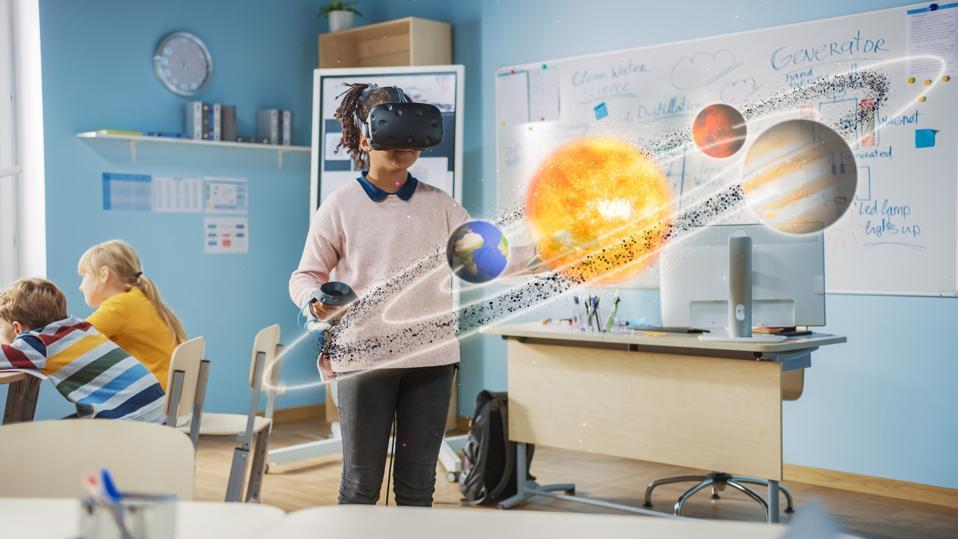
Top Case Studies of Successful VR/AR Implementations in Schools: Real-World Impact Revealed
The integration of Virtual Reality (VR) and Augmented Reality (AR) in education has transformed the classroom experience, offering immersive learning opportunities that textbooks simply can’t provide. Across the globe, innovative schools are leveraging VR and AR technologies to boost student engagement, enhance understanding, and ignite curiosity.In this thorough article, we’ll explore successful VR/AR case studies in schools, highlight their real-world impact, and share practical tips for educators looking to embrace immersive technology.whether you’re a teacher, administrator, or an edtech enthusiast, understanding these examples will inspire you to create memorable lessons that prepare students for the future.
Why VR/AR in Education? Unlocking New Learning Potential
Adopting VR and AR in the classroom brings numerous benefits that can considerably improve teaching and learning outcomes:
- Enhanced Engagement: Interactive environments capture students’ attention and foster active participation.
- Deeper Understanding: Complex concepts—such as anatomy, physics, or historical events—become easier to grasp through immersive visualization.
- Accessibility: VR and AR can bridge gaps for students with different learning styles and abilities.
- Safe simulation: Science experiments, cultural explorations, and career scenarios can be simulated safely and inexpensively.
Now, let’s dive into real-world schools that are leading the way, and see how they are making an impact with VR and AR technology.
Top Case Studies of VR/AR Success in Schools
1. VR Expeditions Program – google Expeditions in American Elementary Schools
Location: Multiple U.S. Schools
Solution: Google Expeditions
case Summary: Google Expeditions introduced VR-enabled field trips, allowing students to explore everything from outer space to the Great Barrier Reef, without leaving their classrooms.
- Real-World Impact:
- Boosted Curiosity and Retention: Teachers reported notable increases in curiosity and knowledge retention, notably in subjects like science and geography.
- Equal Possibility: Students from lower-income districts experienced “trips” typically inaccessible due to funding constraints.
- Firsthand Experience:
“My students traveled to ancient Rome and dived under the sea, all in one day. They’ve never been more engaged!” – sandra M., 5th-grade teacher.
2. Augmented Reality Chemistry Lab – The King’s school, UK
Location: chester, England
Solution: Labster AR Platform
Case Summary: Students used AR-enabled tablets to interact with 3D molecules, observe chemical reactions safely, and conduct lab “experiments” virtually.
- Real-World Impact:
- Increased Experimentation: Over 90% of students completed more virtual experiments than in traditional lab settings.
- Improved Exam Performance: Students scored, on average, 15% higher in chemistry assessments.
- Firsthand Experience:
“AR chemistry labs made science so much less intimidating. Students felt free to experiment and learn from mistakes—with zero risks!” – Dr. Alan C., Chemistry Head.
3.Special Needs Empowerment – VR at Perkins School for the Blind, USA
Location: Watertown, Massachusetts
Solution: Customized VR Orientation & Mobility Training
Case Summary: The Perkins School introduced VR platforms to teach life skills and navigation to visually impaired students.
- Real-World Impact:
- greater Independence: Students practiced navigating environments safely, leading to increased confidence in real-world scenarios.
- Personalized Learning: tailored VR modules adjusted to each student’s needs and learning pace.
- Firsthand Experience:
”The VR orientation made me feel ready, not nervous, to find my way across campus.” – Student Testimonial
4.Cultural Immersion via AR – Tokyo Kokusai school, Japan
Location: Tokyo, Japan
Solution: AR Language Immersion App
Case Summary: Students used AR apps to interact with virtual tourists, landmarks, and real-time language challenges.
- Real-World Impact:
- Language Mastery: Language proficiency improved, especially conversational skills and vocabulary.
- Cross-Cultural Awareness: Students reported better intercultural dialog and empathy.
- Firsthand Experience:
“Talking to virtual characters made practicing English fun—and it felt so real!” – Akiko T.,13-year-old learner
5. VR for STEM Engagement – Community High School District 99, Illinois
Location: Downers Grove, Illinois
Solution: zSpace VR Learning Labs
Case Summary: zSpace brought VR workstations and headsets into STEM classes, enabling 3D exploration of engineering, biology, and physics concepts.
- Real-World Impact:
- Hands-On Learning: Difficult concepts like DNA replication and circuit building turned into interactive 3D experiences.
- College & career Readiness: students became more confident in pursuing STEM careers after hands-on exposure.
- Firsthand Experience:
“Before, I struggled in biology. Now, seeing cells in 3D VR makes everything click!” – Andre K., 11th-grade student
Benefits of VR/AR Implementations Backed by Data
- Increased Engagement Rates: According to the New Media Consortium, over 70% of educators who used VR/AR reported increased student engagement and motivation.
- Improved Knowledge Retention: Studies reveal that immersive learning yields up to 80% advancement in knowledge retention compared to traditional methods.
- Worldwide Accessibility: VR and AR support differentiated instruction, benefiting students with different needs, backgrounds, and learning paces.
- readiness for Future Careers: Exposure to immersive technology develops skills relevant to 21st-century careers, especially in STEM fields.
The evidence is clear: immersive learning with VR and AR in schools is not just a trend, but a powerful pedagogical tool delivering measurable results.
Practical Tips for Starting VR/AR in Your School
- Start Small: Pilot a single lesson or subject to test impact and collect feedback.
- Choose User-Pleasant Solutions: Platforms like Google Expeditions, Labster, or zSpace offer accessible entry points.
- Invest in Teacher training: Success depends on confident, creative educators who understand the technology.
- Seek Partnerships: Collaborate with edtech companies, universities, or local businesses to access resources and expertise.
- Evaluate & Iterate: Gather data, assess outcomes, and refine your approach for continual improvement.
Building a culture of innovation starts with taking the first step.These case studies show that even modest VR/AR initiatives can create lasting, positive change.
Conclusion: Harnessing the Power of Immersive Learning
As the case studies above demonstrate, successful VR/AR implementations in schools are revolutionizing education. These technologies break down barriers, open new worlds, and nurture future-ready learners. by learning from pioneering schools and thoughtful data, educators everywhere can unlock the transformative impact of VR and AR in the classroom. The future of education is immersive, and the time to get started is now.
Ready to bring VR/AR technology to your school? Use these inspiring examples and practical insights as your roadmap to innovation.