
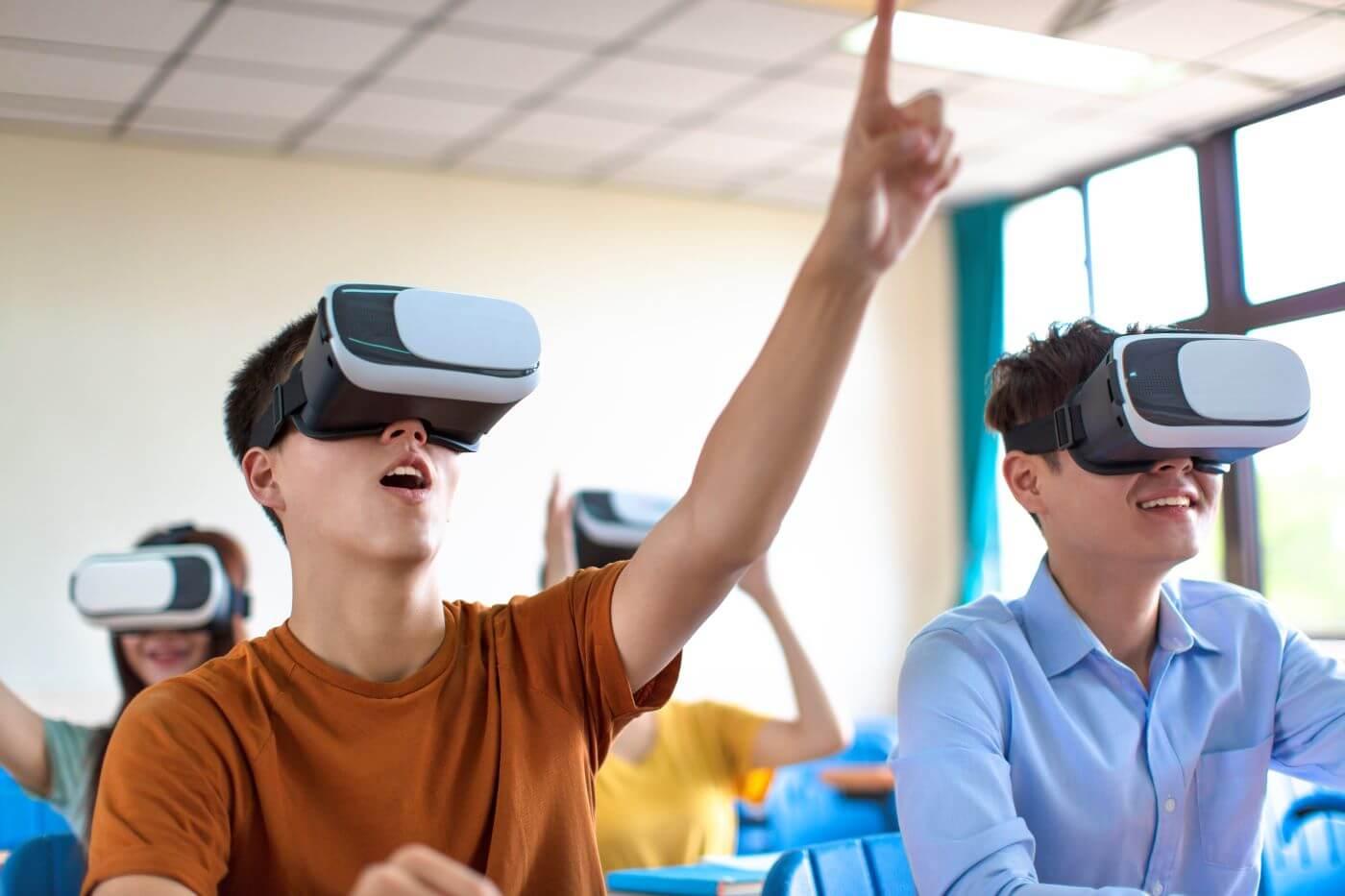
Top Case Studies: Real-World Success Stories of VR/AR Implementations in Schools
The integration of Virtual Reality (VR) and Augmented Reality (AR) into classrooms is revolutionizing the way students learn.Across the globe, pioneering schools are embracing immersive technologies to spark curiosity, deepen understanding, and boost engagement. In this article, we’ll journey through compelling real-world case studies of VR/AR implementations in schools, explore their transformative benefits, and share actionable tips for educators keen to harness next-generation education technology.
Why VR/AR in Education? Unlocking the Benefits
Before diving into the success stories, it’s critically important to understand the benefits of VR and AR in education. These technologies go far beyond traditional textbooks and lectures by offering hands-on, immersive experiences that bring lessons to life.
- Enhanced Engagement: Interactive simulations and 3D visualizations keep students captivated and eager to learn.
- deeper Understanding: concepts that are difficult to grasp through text or images, such as anatomy or past events, become intuitive with VR/AR experiences.
- Safe Exploration: Virtual environments allow safe experimentation — from walking on the moon to dissecting a digital frog.
- Inclusivity: VR/AR tools can support diverse learning needs, helping students with disabilities or language barriers thrive.
- Real-World Skills: Students build digital literacy, critical thinking, and problem-solving skills needed for 21st-century careers.
Top Case Studies: Real-World VR/AR Success Stories in Schools
Let’s explore how schools around the world are leading the way in VR/AR education technology adoption.
1. Cleveland’s Menlo Park Academy: Virtual Reality for Gifted Learners
Location: Ohio, USA
Grades: K-8
- Implementation: Menlo Park Academy integrated VR headsets into their science and social studies curriculum. Students “travel” to ancient Rome, explore the solar system, and conduct virtual chemistry experiments.
- Outcomes: Teachers report increased enthusiasm and a sharper grasp of complex topics. Assessments indicate higher retention rates when students use VR-based lessons versus traditional classes.
- Teacher’s Voice: “With VR, our students aren’t just reading about history—they’re living it,” says Ms. Reed, sixth-grade teacher.
2. The VR Chemistry Lab in Queensland, Australia
Location: Queensland, Australia
Institution: Queensland University of Technology (QUT)
- Implementation: Collaborating with local secondary schools, QUT introduced a VR Chemistry Lab where students conduct simulated experiments or else restricted by safety or resource limitations.
- Outcomes: Students exhibit improved understanding of chemical reactions and lab safety. The VR experience bridges the gap between theory and practice, especially for remote or resource-challenged schools.
- Firsthand student Experience: “I learned more in one hour with the VR lab than a week of textbooks,” says Zoe, Grade 10.
3. King’s College School, London: Augmented Reality Field Trips
Location: London, UK
Grades: Primary and Secondary
- Implementation: Using AR-enabled tablets and apps, students take ‘field trips’ around the campus and city, overlaying historical data and 3D reconstructions onto real-world locations.
- Outcomes: Geography and history lessons became immersive and interactive. Teachers saw improved recall in exams, and students reported lessons felt “like real adventures.”
- Key Innovation: Integration with Google Expeditions, allowing for teamwork and guided tours in real-time.
4. Taipei American School: AR Math Visualizations in Middle School
Location: Taipei, Taiwan
Grades: 5-8
- Implementation: AR apps were introduced to visualize geometry problems. Students use tablets to project 3D shapes and objects onto their desks, manipulating them to solve exercises and better understand spatial relationships.
- outcomes: Test scores for geometry improved by 23% year-over-year. Increased participation from students who previously struggled with basic geometry.
- Teacher Insight: “AR turns abstract math into something you can see and touch,” says Ms. Cheng, Head of Mathematics.
5. Aurora public Schools: Special Education and Inclusive learning
Location: Colorado, USA
Grades: K-12
- Implementation: Customized VR scenarios help students with learning disabilities navigate social situations and practice life skills in a safe, virtual environment.Teachers tailor lessons to individual needs.
- Outcomes: Meaningful improvements in social interaction skills and confidence. The approach has inspired broader adoption of immersive support tools for neurodiverse learners.
- Parent’s Viewpoint: “The VR lessons made a huge difference for my son’s ability to transition to middle school,” shares Mrs. King, parent.
6. The Global classroom: International Collaboration via VR
Project: The global Classroom
Location: Multiple countries (USA, UK, India, South Africa)
Grades: 9-12
- Implementation: Schools connect students in different countries using VR headsets and shared virtual rooms to work on joint science projects, language exchange, and cultural immersion.
- Outcomes: Dramatic increase in cross-cultural understanding and language skills. Students report feeling “closer” to global peers, thanks to realistic VR avatars and immersive group activities.
- Highlight: Students built a digital model of the Taj Mahal together, exploring history and architecture collaboratively in real time.
Practical Tips: How to Successfully Implement VR/AR in Your School
Inspired by these success stories? here are proven tips for educators and administrators to unlock the full potential of VR/AR in classrooms.
- Start Small: Pilot VR/AR lessons in one subject or grade to troubleshoot and refine your approach.
- Train Teachers: Invest in ongoing professional development to help teachers maximize the impact of immersive tools.
- Leverage Free Apps: Many high-quality VR/AR education apps, like Google Expeditions or Merge Cube, require minimal investment.
- Focus on Curriculum Integration: Select experiences that align with your existing standards and learning objectives.
- Plan for Accessibility: ensure headsets and devices are accessible to all students, and offer alternatives for those with sensory sensitivities.
- Measure Outcomes: Collect feedback, track engagement, and regularly assess impact on learning — use data to guide expansion.
First-Hand Reflections: Educators and Students Speak Out
Nothing beats the excitement in the voice of an educator or student experiencing VR or AR for the first time:
“The moment our students started naming bones inside a virtual human body, I knew this was a game-changer.” — Mr.Patel, Science Department Head
“I’ve always struggled with reading maps.With 3D AR, it stopped being confusing — it was fun!” — Anika, Grade 7
“our language students practiced real-world dialogues in Paris, without leaving the classroom. The confidence boost was immediate.” — Ms. Gomez, language Instructor
Conclusion: Shaping the future of Learning with VR/AR
From transforming science and math classes to making global collaboration possible, VR/AR implementations in schools are proving to be powerful tools in shaping tomorrow’s education. These real-world case studies show that with thoughtful integration, immersive technology can bridge gaps, inspire learners, and prepare students for the digital age.
As prices fall and support grows, VR/AR in education is no longer a futuristic dream — it’s fast becoming a classroom reality. For schools, teachers, and communities eager to invest in meaningful educational innovation, the time to explore virtual and augmented reality in schools is now.