
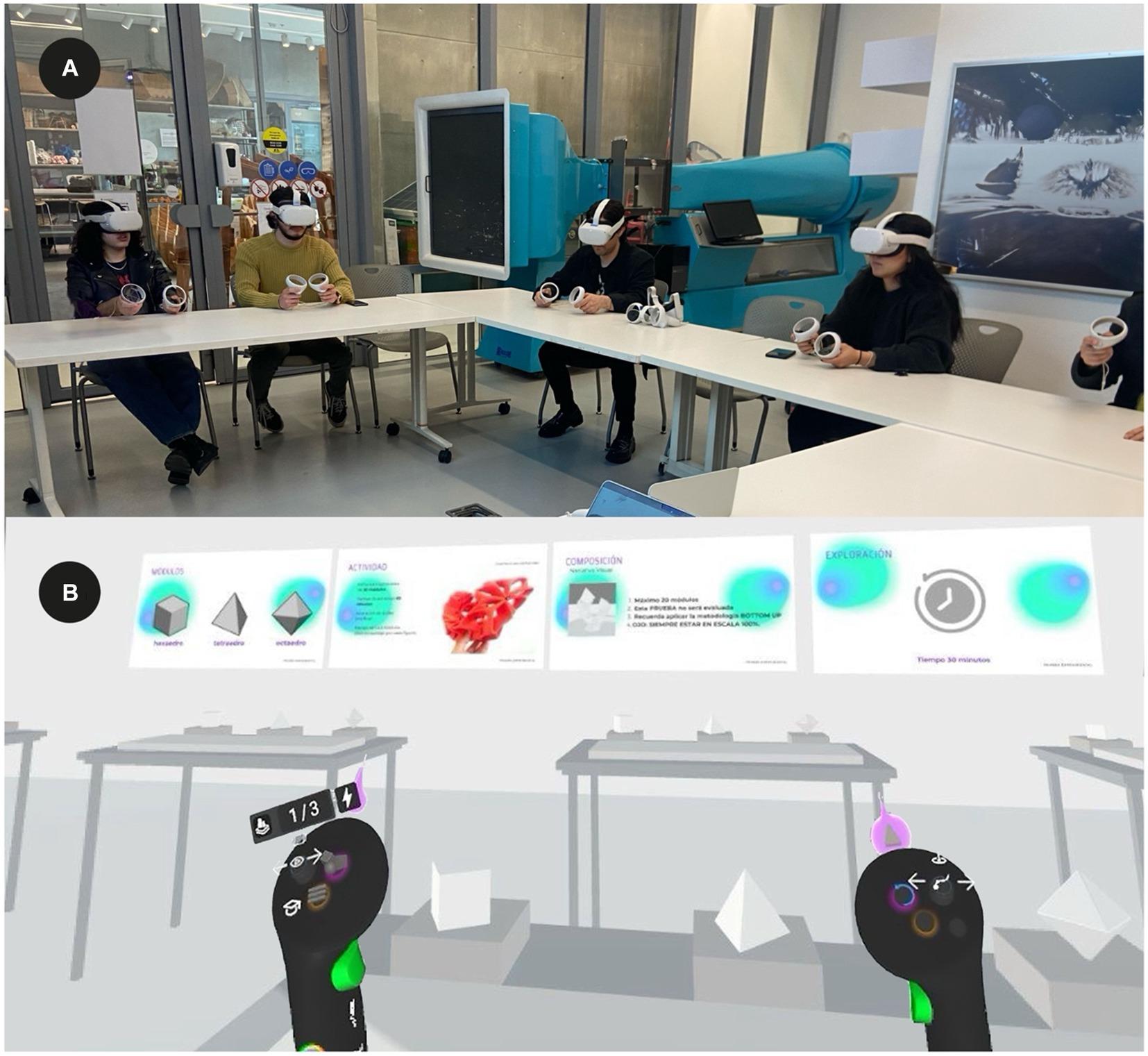
Top case Studies Revealing Successful VR/AR Implementations in Schools
Virtual Reality (VR) and Augmented Reality (AR) are transforming education,offering students immersive and interactive learning experiences beyond the customary classroom environment. From enhanced engagement to improved retention,VR and AR in schools are becoming key drivers of innovative teaching methods. In this article, we’ll uncover top case studies revealing successful VR/AR implementations in schools, explore the benefits, share first-hand experiences, and offer practical tips for educators looking to embrace immersive technologies.
Why VR/AR is Revolutionizing Classroom Learning
Integrating VR and AR in education is no longer a futuristic concept—it’s happening now.schools across the globe are leveraging thes immersive technologies to enrich learning and skill development. Here’s why VR/AR is gaining traction in educational institutions:
- Interactive Learning: VR/AR makes abstract concepts concrete, allowing students to visualize and manipulate data in 3D environments.
- Enhanced Engagement: Gamified and interactive lessons boost motivation and focus among students.
- real-World Applications: Virtual field trips, science labs, and history re-creations provide real-world context to lessons.
- Personalized Education: VR/AR tools adapt to individual learning styles, offering customized instructional support.
- Safe Exploration: Students can safely experiment in virtual environments—ideal for science, engineering, and medical subjects.
top Case Studies: Successful VR/AR Implementations in Schools
Let’s dive into some real-life case studies where schools have successfully adopted VR/AR, demonstrating the tangible benefits of these technologies in education.
1. ZSpace - Opening Virtual Science Labs in American Schools
zspace, a leading VR-enabled learning platform, is used by hundreds of U.S. schools. It offers interactive virtual labs for subjects like biology, chemistry, and physics. In Dallas Independent School District, ZSpace allowed students to conduct “virtual dissections,” making science more accessible and engaging.
- Impact: Increased student performance in STEM subjects by 35% within two years.
- Teacher Feedback: Educators reported improved participation and deeper conceptual understanding.
- Practical Use: Hands-on virtual labs helped bypass the limitations of traditional labs due to budget or safety concerns.
2. Google Expeditions – Virtual Field Trips around the World
Google Expeditions brought AR and VR field trips to classrooms in over 11,000 schools globally. Students explored the Great Barrier Reef, outer space, and historical landmarks without leaving their classrooms.
- Impact: 72% of teachers saw an increase in engagement and curiosity about new subjects.
- Student Viewpoint: “It felt like I was really swimming with turtles in the ocean,” said a fifth-grade student from London.
- Integration Tips: Teachers used Expeditions as a supplement to existing lessons and facilitated interactive Q&A sessions post-trip.
3. ClassVR – Immersive Curriculum Integration in UK Schools
ClassVR provides a flexible VR system for schools, tailored to curriculum needs. in St.John’s Primary School, teachers used ClassVR headsets for subjects ranging from history to literature.
- Impact: Marked advancement in retention rates—students recalled details from lessons 50% better when taught via VR.
- Teacher Testimonial: “Students who struggled with traditional reading showed newfound enthusiasm when exploring Shakespeare’s globe Theater in VR.”
- Implementation Strategy: Regular workshops trained staff to create their own educational VR content.
4. MERGE EDU – AR Science in Texas Middle Schools
MERGE EDU introduced AR-based learning in Austin Independent School District. Using MERGE Cube, students held and interacted with virtual objects like planets, cells, and historical artifacts.
- Impact: Students demonstrated better test scores—average improvements of 23% in science classes.
- Student Engagement: AR objects turned passive learning into active exploration.
- Practical Tip: The school provided tablets and MERGE Cubes to each student, prioritizing affordable, scalable AR resources.
5. LightUp – AR for Hands-On STEM learning
LightUp uses AR to demonstrate core STEM concepts by overlaying visual instructions on physical objects.Sunnyvale School District in California deployed LightUp for middle school engineering classes.
- Impact: Real-time feedback helped students correct mistakes and deepen understanding.
- Teacher insight: ”Students developed stronger critical thinking and problem-solving skills using AR guidance.”
- Integration Advice: LightUp’s content was integrated with maker spaces and robotics clubs to encourage collaborative learning.
First-hand Experiences: What Educators and Students Say
Successful VR/AR implementation relies on teacher buy-in and student receptiveness. Here’s what they have to say:
- Teacher Perspective:
- “VR field trips are a game-changer. Students who rarely participate are now leading group discussions.”
- “AR makes abstract science topics tangible, bridging gaps in understanding.”
- Student Perspective:
- “Learning with VR feels like an adventure, not just schoolwork.”
- “I want all my classes to use AR—it makes studying fun!”
Benefits of VR/AR in Education: Evidence-Based Insights
Research consistently highlights the advantages of immersive technology in classrooms. Key benefits include:
- Improved Retention: Studies show VR/AR learners retain information 30-50% better than traditional methods.
- Greater Motivation: Gamified lessons and interactive environments naturally foster curiosity.
- Multi-sensory Engagement: Visual, auditory, and kinesthetic learners all benefit.
- Accessibility: VR/AR breaks geographical, financial, and physical barriers to hands-on learning (e.g., virtual labs, cultural explorations).
- collaboration: Shared virtual and augmented environments nurture teamwork and communication skills.
Practical Tips for Implementing VR/AR in Schools
Interested in starting your own VR/AR journey in education? Follow these practical tips from implementers:
- Start Small: Pilot VR/AR lessons with a single class or grade level before scaling system-wide.
- Choose Curriculum-Aligned Tools: Select platforms that align with learning objectives and offer adjustable content.
- Train Educators: Organize workshops and peer-mentoring to build teacher confidence and competence.
- Involve Students: Let students co-create VR/AR content to foster creativity and ownership.
- Monitor Impact: Regularly gather feedback from teachers and students, tracking key metrics like engagement and test scores.
Expert Tip:
Consider leveraging open-source VR/AR resources to minimize costs, and partner with EdTech companies for teacher training and technical support.
Conclusion: Harnessing the Power of VR/AR for Schools
The case studies shared here demonstrate the profound impact VR and AR implementations in schools have on learning outcomes, student engagement, and educational equity. By making education immersive, interactive, and accessible, schools can foster lifelong learning and critical thinking skills in students. As the technology evolves, more institutions will undoubtedly experience the transformative potential of VR/AR in education. Start small, leverage real-world success stories, and make immersive learning part of your school’s future.
Ready to bring VR/AR into your school?
Explore EdTech partnerships or get inspired by these case studies to kick-start your own immersive learning initiatives.