
Top Case Studies: Successful Microlearning Implementations Driving Real Results
In today’s fast-paced digital landscape, organizations seek innovative training solutions that cater to ever-changing employee needs. Microlearning has emerged as a powerful approach, offering short, focused bursts of content that deliver measurable training results across industries. But how does microlearning drive real impact in practice? In this article, we will explore top case studies of successful microlearning implementations, uncover the benefits, and provide actionable tips for integrating microlearning into yoru learning strategy.
What is Microlearning? Understanding the Trend
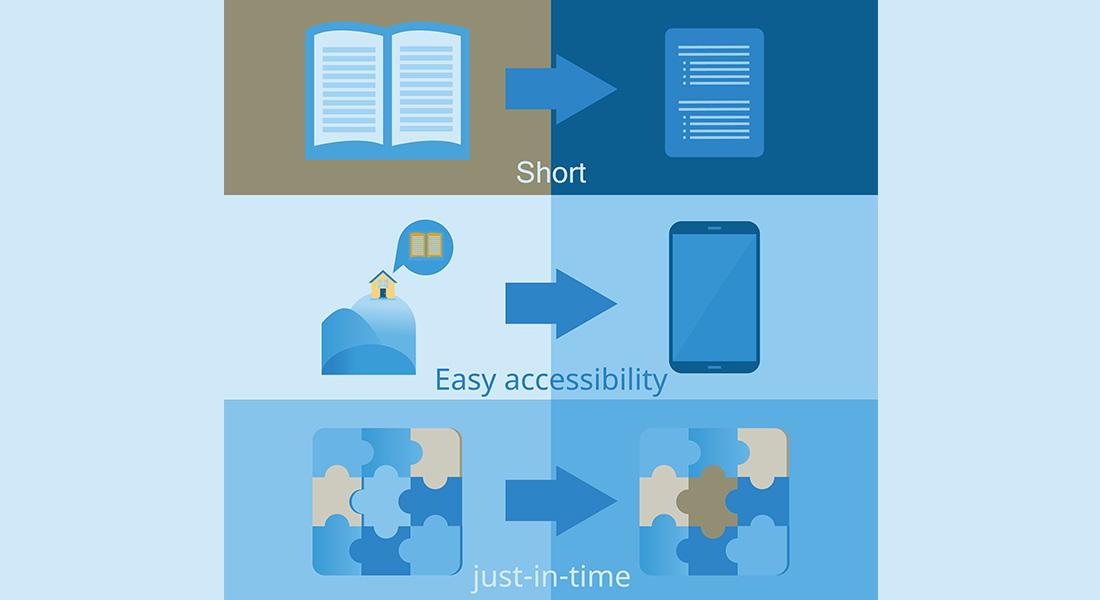
Microlearning refers to delivering learning content in small, easily digestible segments. These bite-sized modules typically last from a few seconds to a maximum of 10-15 minutes, focusing on a single concept or skill. The approach leverages how our brains naturally absorb and retain facts—making learning not only more efficient but also more enjoyable.
- Adaptability: learners can access content anytime, anywhere.
- Personalization: Microlearning modules can be tailored to individual needs or knowlege gaps.
- Higher Engagement: Short, interactive sessions prevent cognitive overload and keep learners motivated.
- Greater Retention: Repetition and spaced learning foster long-term knowledge retention.
As organizations globally realize these advantages,integrating microlearning into employee training,onboarding,and professional development has become a strategic imperative.
benefits of Microlearning: Why Leading Organizations Rely on It
- Improved Knowledge Retention: Microlearning enhances retention rates by focusing on one learning objective per module.
- Cost-Effectiveness: Shorter courses mean reduced time away from productive tasks and lower content creation costs.
- Accelerated Training Deployment: Companies can roll out new modules faster, responding rapidly to changes or skill gaps.
- Mobile Compatibility: Designed with mobile users in mind, microlearning supports learning on-the-go—ideal for remote and frontline employees.
- Easy Integration with Other Training Methods: Microlearning can serve as a refresher, reinforcement, or supplemental training to existing programs.
Top Microlearning Case Studies: Real-world Success Stories
Case Study 1: Walmart – Streamlining Employee Onboarding and Compliance
challenge: walmart, the world’s largest retailer, faces the ongoing challenge of training millions of employees (associates) across thousands of locations. Keeping staff informed and compliant with evolving policies requires scalable, efficient learning methods.
Microlearning Solution: Walmart launched bite-sized, mobile-kind modules focusing on onboarding, safety, and compliance. These microlearning implementations were delivered through handheld devices and kiosks, making content accessible on the sales floor or in break rooms.
Results:
- Onboarding time reduced by 30%.
- Employee compliance scores increased by 15% across key areas.
- Feedback indicated higher engagement and satisfaction with the learning experience.
Case Study 2: Siemens – Global Product knowledge Training
Challenge: Siemens, with teams spread across over 190 countries, needs to keep employees continually updated about product innovations and technical details.
Microlearning Solution: The company implemented a microlearning platform that delivered visually rich product updates and technical briefs in modules under 10 minutes—accessible from desktops or mobile devices, with interactive quizzes to reinforce learning.
Results:
- Training completion rates soared to 98%.
- Product launch readiness improved by 25%.
- Significant reduction in support queries tied to new features.
Case Study 3: Deloitte – engaging Millennial Employees with Gamified Microlearning
Challenge: deloitte wanted to better engage its millennial workforce, who demanded more interactive, on-demand learning resources.
Microlearning Solution: Deloitte created “Business Chemistry,” a gamified microlearning series offering personality quizzes, case simulations, and short scenario-based challenges—each module under 8 minutes, optimized for mobile use.
Results:
- engagement rates nearly doubled among target demographic.
- Surveyed employees reported increased motivation to apply learned skills in real projects.
- Strong uptake across global Deloitte teams, demonstrating the scalability of microlearning.
First-Hand experience: Insights from L&D Professionals
“Our customer service representatives loved the microlearning modules for handling tough calls. The quick-hit tips they received every morning led to measurable improvements in confidence and customer satisfaction scores.”
— Head of Training, leading Call Center
“Rolling out compliance microlearning to our remote manufacturing teams enabled us to track progress and course correct in real-time. Absenteeism in required sessions dropped by over 40%.”
— L&D Manager, Global Manufacturing firm
Practical Tips: Implementing Microlearning for Real Results
- Define Clear Objectives: Each microlearning module should tackle a single, actionable learning goal.
- Leverage Mobile-First Design: Optimize content for smartphones and tablets to maximize accessibility.
- Integrate Multimedia: Combine video, audio, infographics, and gamified elements for greater engagement.
- Utilize Spaced Repetition: Schedule modules over time for better retention and mastery.
- Encourage Social Learning: Create team challenges, discussion forums, or peer quizzes to boost interaction.
- Gather Feedback and Iterate: Use analytics and learner feedback to fine-tune content for ongoing improvement.
Key Takeaways: why Microlearning Works
Reviewing these microlearning success stories, several consistent themes emerge:
- Scalability: Microlearning supports rapid deployment for global or distributed teams.
- Measurable ROI: Training completion, knowledge retention, and business outcomes all improve.
- Employee-Centric: Learners appreciate autonomy, relevancy, and flexibility—driving deeper engagement.
- Adaptability: Microlearning can support onboarding, compliance, sales enablement, and ongoing professional development.
Conclusion: Future-Proofing Talent Development with Microlearning
Microlearning isn’t just a trend—it’s transforming how organizations train, engage, and empower employees at scale. As seen in these top case studies, microlearning drives results by delivering content that’s relevant, accessible, and effective. Whether your goal is improving compliance, enhancing product knowledge, or engaging digital-native talent, microlearning is a proven path forward.
Ready to unlock the benefits of microlearning for your team? start small,measure your outcomes,and iterate based on feedback. With the right strategy, microlearning can propel your workforce—and your business—towards unprecedented success.