
Top Case Studies: Successful VR and AR Implementations Transforming education in schools
The integration of Virtual Reality (VR) and augmented Reality (AR) in classrooms is reshaping the educational landscape,offering immersive learning experiences that go far beyond customary teaching methods. As technologies mature, schools worldwide are harnessing the power of VR and AR to engage students, enhance understanding, and develop skills for the future. In this article, we’ll journey through the top case studies of successful VR and AR implementations transforming education, explore their benefits, and offer practical tips for schools keen to adopt these innovations.
Why VR and AR in Education?
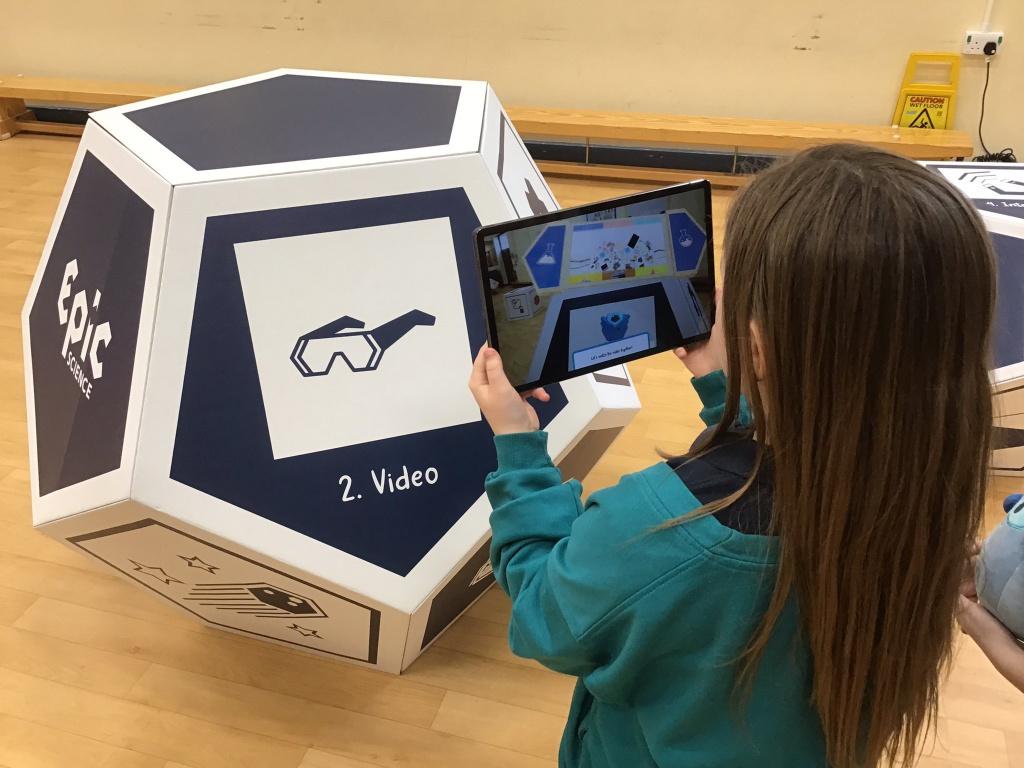
Virtual Reality and Augmented Reality are revolutionizing how students interact with content, turning abstract concepts into tangible experiences.With VR in education, learners can delve into simulated environments, while AR in classrooms overlays digital information on the real world, making learning more accessible and fun.
- Engagement: interactive content captivates students’ attention, improving retention.
- Practical Learning: Simulated experiments and virtual field trips bring subjects to life.
- Inclusive Education: Adaptable content caters to various learning styles and needs.
- 21st-Century Skills: Develops critical thinking, collaboration, and technology literacy.
Benefits of VR and AR Integration in Schools
The adoption of VR and AR in education delivers tangible benefits for both educators and students:
- Deeper Understanding: Difficult topics, from human anatomy to complex mathematical concepts, become easier to grasp through 3D visualization.
- Safe Experimentation: Students can perform virtual chemistry labs or practice safety drills risk-free.
- Global Connectivity: AR/VR environments connect classrooms worldwide, fostering cultural exchange and collaboration.
- Cost savings: Virtual labs and field trips reduce the need for costly materials and travel.
- Personalized Learning: Adaptive experiences cater to students’ pace and learning preferences.
Top Case Studies: VR and AR Transforming Education
Let’s dive into some of the most impactful and successful VR and AR implementations that are making waves in the world of school education.
1. Google Expeditions – Global Virtual Field Trips
Google Expeditions allowed teachers to take students on immersive virtual reality field trips around the globe, exploring locations like the Great Wall of China or the depths of the ocean—all from the classroom.
- Over 800 virtual tours covering science, history, and geography.
- Teachers use smartphones and VR headsets to guide students through interactive scenes.
- Result: Improved engagement and understanding of diverse cultures and environments without leaving the school.
2. zSpace – Interactive 3D Science Labs
zSpace, deployed in thousands of K-12 schools, merges AR and VR to create interactive STEM labs.
- Students use AR glasses and styluses to interact with 3D frog dissections,physics simulations,and more.
- Encourages hands-on experimentation and problem-solving.
- Result: enhanced science achievement and increased student confidence in lab activities.
3. ClassVR – Flexible Curriculum Integration
ClassVR offers an easy-to-use VR platform tailored for schools. It supports a wide range of subjects—from exploring ancient civilizations in history class to experiencing mathematical concepts in 3D.
- Ready-to-use lesson plans and teacher controls for classroom management.
- Collaborative VR experiences foster group learning.
- Result: Over 1,000 schools worldwide report increased lesson interactivity and student enthusiasm.
4. Lenovo Mirage AR Classroom Kit – Augmented Reality for Subject Mastery
Lenovo’s AR Classroom Kit is used in several school districts in the U.S., enabling students to interact with lifelike 3D models projected into their actual environment.
- AR lessons in subjects such as biology, architecture, and history.
- Boosts memorization through visual exploration.
- Result: Test scores increased by up to 20% in pilot programs.
5. alief ISD, Texas – VR for Career and Technical Education
Alief Autonomous School District implemented VR career simulations to introduce students to professions like aviation, nursing, and automotive repair.
- VR modules replicate real workplace environments for hands-on skill development.
- Highly effective in student career exploration and readiness.
- Result: Increased interest in STEM and technical pathways, with improved vocational skills.
First-Hand Experiences from Educators
Teachers integrating VR and AR tools report dramatic shifts in student participation and learning outcomes. Here are some first-hand insights:
“Our 6th graders were thrilled to visit ancient rome with ClassVR. They asked more questions and retained more facts than ever before.” – Ms.Robinson, History Teacher
“Dissecting a virtual frog with zSpace meant every student got hands-on experience, and our science grades improved by a full letter.” – Mr. Singh, Science Teacher
These experiences highlight how VR and AR in schools turn classrooms into arenas of curiosity, active participation, and deep learning.
Practical Tips for Schools Adopting VR and AR
- Start Small: Pilot one or two VR/AR lessons before scaling school-wide.
- Choose Age-Appropriate Content: Select applications tailored to your students’ grade level and curriculum materials.
- Train Teachers: Provide hands-on workshops so educators feel confident using the technology.
- Leverage Free Resources: Explore free AR/VR educational apps to minimize costs in the early stages.
- Engage Parents and Stakeholders: Demonstrate value and foster support for immersive tech adoption.
- Monitor Impact: regularly assess how VR and AR integration improves learning outcomes and adjust your strategy accordingly.
Future Outlook: The Evolution of Immersive Education
As technology advances, the potential for VR and AR in education continues to grow. With the rise of affordable headsets, improved software, and expansive libraries of content, immersive learning will become even more accessible to schools of all sizes. Expect to see:
- Gamified curriculums for higher engagement.
- Personalized avatars for inclusive and adaptive learning.
- Cross-school virtual collaborations and exchanges.
- Expanding use in career and vocational education.
Conclusion: Transforming Classrooms with VR and AR
From virtual science labs to augmented reality field trips, these top case studies demonstrate the undeniable impact of immersive technology in modern schools. Successful VR and AR implementations in education are not just enhancing student engagement—they’re unlocking new dimensions of understanding, creativity, and skill development. With thoughtful adoption and ongoing support, VR and AR have the potential to transform education, preparing students for the challenges of tomorrow’s world.
If you’re an educator, administrator, or parent curious about the possibilities of immersive learning, now is the perfect time to explore how VR and AR can elevate your educational community. The future of education is immersive—let’s step inside!