
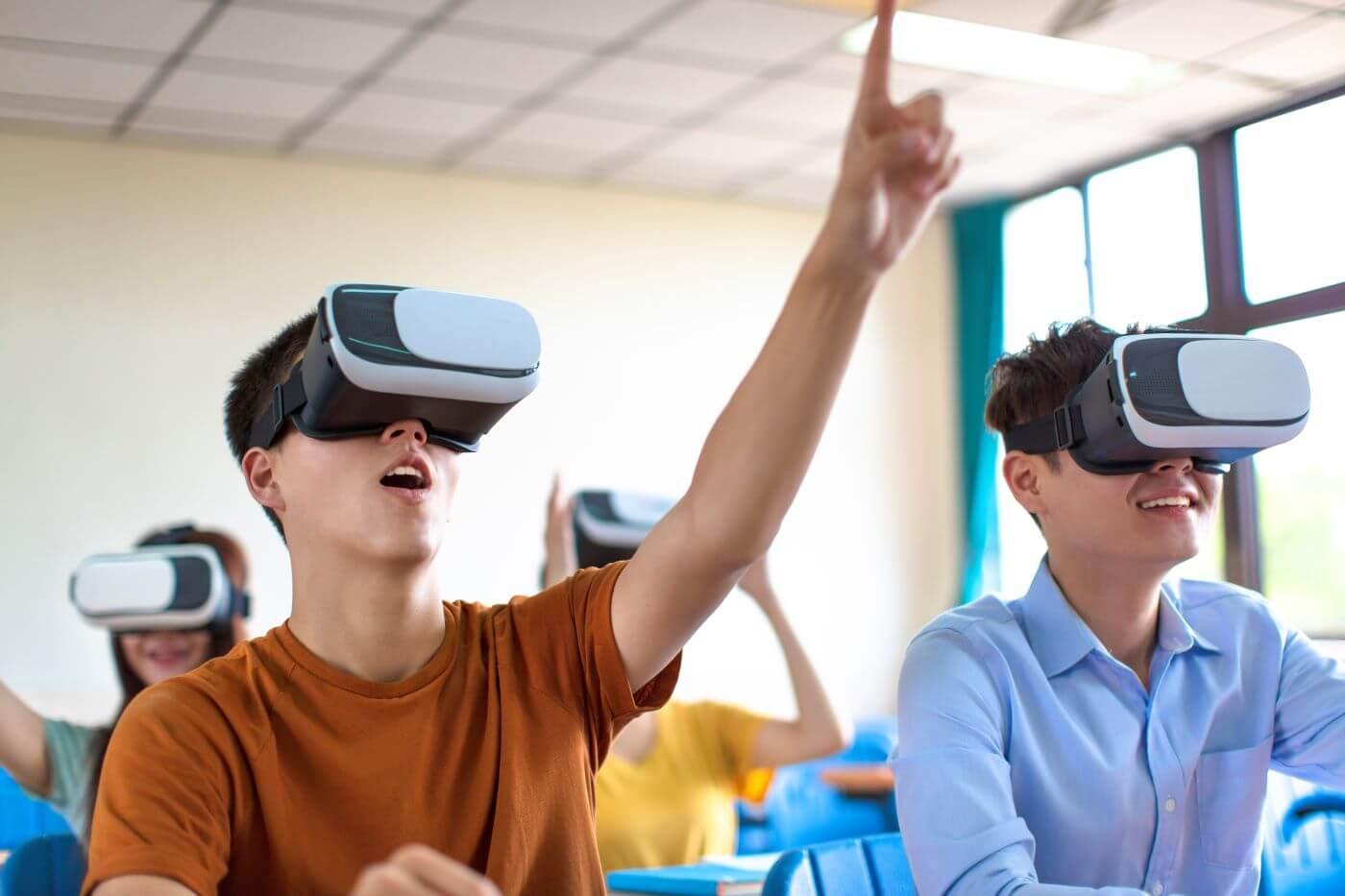
Top Case Studies: Successful VR & AR Implementations Transforming Education in Schools
Introduction: Redefining Learning with VR & AR in Education
the educational landscape is evolving rapidly, thanks to emerging technologies.Virtual Reality (VR) and Augmented reality (AR) in schools are no longer futuristic concepts—they are real, effective tools transforming classrooms into immersive, interactive, and deeply engaging learning environments. This article explores the top case studies of VR and AR implementations in education, highlighting their impact, practical benefits, and offering actionable insights for schools ready to embrace immersive learning technologies.
Why Use VR and AR in Schools?
Integrating VR and AR in education empowers teachers and students alike.But what makes thes immersive technologies game-changers? Here are some key benefits:
- Enhanced Engagement: visual and interactive content keeps students interested and motivated.
- Deeper Understanding: Complex STEM concepts,history,or art become easier to grasp when students can ‘experience’ them.
- Safe Simulations: Experiment in virtual labs,past reenactments,or hazardous scenarios—without real-world risks.
- Inclusivity: cater to different learning styles and abilities, fostering a more inclusive classroom.
- Global Access: Virtual field trips open doors to sites and experts worldwide, removing geographical barriers.
Top case Studies: Successful VR & AR Implementations in Schools
Let’s delve into inspiring real-world examples of how VR and AR in education are enhancing outcomes for students and educators worldwide.
Case Study 1: VR Expeditions at Franklin High School, USA
Franklin High integrated Google Expeditions into their curriculum, allowing students to take virtual field trips across the globe. From exploring the inside of the human heart in biology to standing atop the Great Wall of China in social studies, students reported increased excitement and better retention of facts.
- Results: 30% enhancement in test scores on subjects using VR modules versus traditional methods.
- Teacher Feedback: “Students were engaged like never before. Even reluctant learners participated eagerly,” says Ms.Taylor, Social Studies Teacher.
Case Study 2: AR-Driven Interactive Science Labs in Finland
The Helsinki School District rolled out zSpace AR-enabled workstations, letting students conduct virtual dissections and chemistry experiments safely and interactively.
- Results: Lab accidents reduced by 80%. Students reported higher confidence in tackling practical exams.
- Student Insights: “I never understood cell division until I could see it up close in 3D,” noted Lila, Grade 7.
Case Study 3: Special Needs Support via VR in Australia
At Melbourne’s Inclusive Learning Center, VR headsets support students with autism by simulating social interactions and desensitizing them to everyday scenarios like riding a bus or visiting the supermarket.
- Results: Improved social adaptation and a reported 25% increase in student participation in real-life activities.
- Parent Testimonial: “VR practice helped my child attend a school camp for the first time!” – Daniel’s Mom
Case study 4: AR Language Learning in Japan
Tokyo Midtown Junior High implemented an AR language learning app overlaying information and audio in English and Japanese during lessons. Students scan objects, books, or posters, and receive instant translations and context.
- Results: Language proficiency scores increased by 18% after one semester using AR tools.
- Educator Feedback: “Our students are less hesitant to practice speaking in english, thanks to immediate and non-judgmental feedback,” remarks Mr.Hiroshi.
Case Study 5: Immersive History Lessons in the UK
Queen’s Park School uses VR to transport students to meaningful historical events, such as Ancient Rome or the trenches of world War I. This multi-sensory experience deepens empathy and retention.
- Results: 92% of students scored higher on comprehension after VR lessons compared to textbook-only instruction.
- Pupil Reaction: “History feels alive—it’s like I was really there!” said Sam, Year 8.
First-hand Experiences: What Educators and students Are Saying
- Ms. Rajiv, Science Teacher, India: “VR brings abstract chemistry concepts to life. My students are now top performers in district exams.”
- Aydan, Grade 5, Turkey: “AR made math fun. I actually look forward to solving problems because I can see them from every angle!”
- Mr. Garcia, School IT Coordinator, spain: “Initial setup required planning, but now our VR stations are the moast in-demand resource in school.”
How to Successfully Integrate VR & AR in Schools: Practical Tips
- Start Small: Pilot with a single classroom or subject to build buy-in and troubleshoot challenges.
- Leverage Free and Open Resources: Explore platforms like Google Expeditions, ClassVR, and open-source AR content before investing in premium tools.
- Train the Teachers: Professional development is key—offer workshops and ongoing support for educators.
- Consider Infrastructure: ensure your school’s bandwidth,devices,and classroom space are VR/AR-ready.
- Include All Learners: Adapt content for diverse students, including those with disabilities.
- Assess Outcomes: Set benchmarks to measure student progress and engagement before and after implementation.
Challenges and Solutions for VR & AR Implementation in Schools
- Budget constraints: Apply for STEM and tech grants, start with cost-effective or shared devices.
- Resistance to Change: Showcase case studies and swift wins to demonstrate value to staff and parents.
- Content Gaps: Collaborate with edtech providers or empower teachers to create custom modules using platforms like Unity or CoSpaces Edu.
- technical Issues: Establish IT support protocols and involve students as “tech ambassadors.”
The Future Outlook: VR and AR in the Classroom
As VR and AR hardware becomes more affordable and content libraries expand, expect immersive technology to be a staple of modern education. By embracing VR and AR in schools, educators can offer personalized, context-rich, and universally accessible learning that prepares students for tomorrow’s workplace and world.
Conclusion: Unlocking the full Potential of VR & AR in Education
The case studies above clearly show that VR and AR in education are more than trends—they are powerful catalysts for better learning outcomes, improved engagement, and future-ready skills. Whether you’re an educator, parent, or school leader, now is the time to explore how immersive technologies can transform your students’ learning journey. Start small, gather feedback, and watch as curiosity and achievement soar in your classroom.
Are you ready to bring the wonders of the digital world into your school? Explore VR & AR solutions today, and led the way in educational change!