
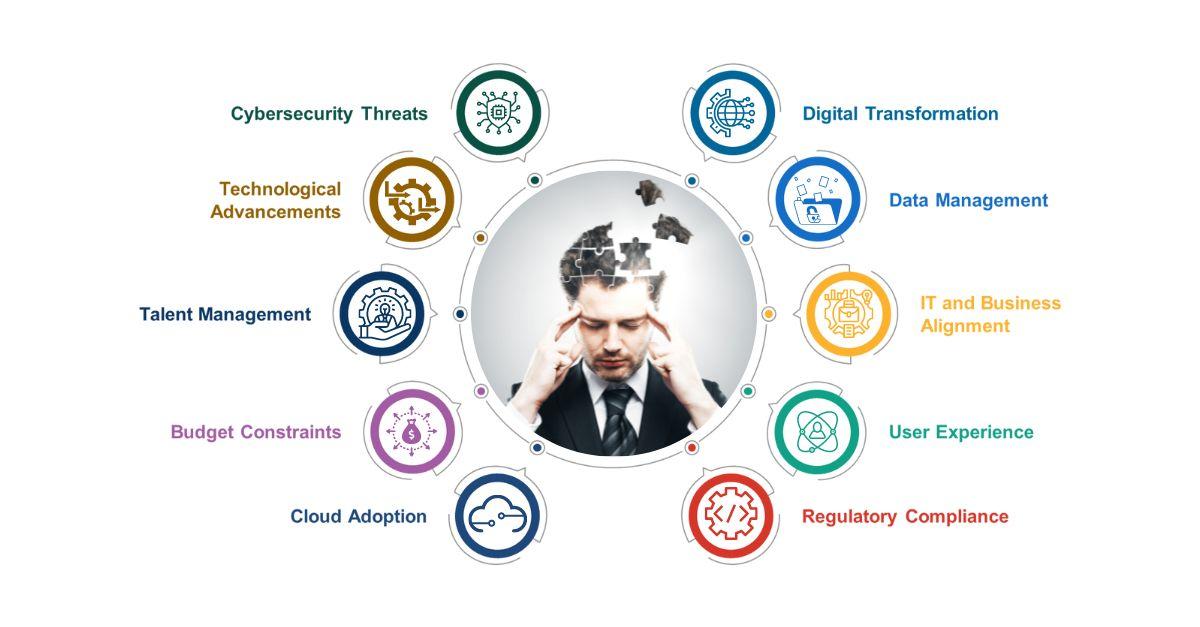
Top Challenges in Adopting Digital Credentialing systems: Key Issues Organizations Face
As digital conversion accelerates, organizations are rapidly adopting digital credentialing systems to streamline certification management, improve security, and enhance trust. However,transitioning from traditional paper-based credentials to a digital model comes with an array of unique challenges. In this comprehensive guide, we’ll explore the top obstacles organizations face, offer practical solutions, and illuminate the many benefits of embracing digital credentials.
Introduction: Why Digital Credentialing Matters
Digital credentialing systems offer a modern, secure, and scalable way to verify qualifications, achievements, and identities online.More organizations in education, corporate learning, health, and professional certification agencies are turning to digital badges, blockchain-based certificates, and e-credentials to reduce administrative overhead and increase authenticity.
Yet, the journey isn’t always smooth. Understanding the challenges in adopting digital credentialing systems is the key to a successful transition.
1. Technology Adoption & User Resistance
One of the most recurring challenges is the adoption of new technologies.Digital credentialing involves new software platforms, protocols, and a paradigm shift from physical certificates.
- Lack of Digital Literacy: Staff and stakeholders may be unfamiliar with digital credentialing platforms, causing resistance and slowing adoption.
- Cultural Resistance: Many organizations, particularly in academia or regulated industries, hold strong attachments to paper certificates.
- User Training: Successful rollout requires effective onboarding and continuous training.
Tips for overcoming resistance:
- Invest in user education and offer hands-on tutorials to drive engagement.
- Showcase early wins and testimonials from users who’ve benefitted from digital credentials.
- Appoint change champions to advocate and guide the transition.
2.Integration With Existing Systems
Integrating a digital credentialing system with legacy databases, Learning management Systems (LMS), HR software, and other platforms is often complex.
- Data Migration Challenges: Old records need to be accurately migrated to new systems.
- API Compatibility: Interoperability between credentialing tools and existing systems relies on robust APIs and ongoing support.
- Workflow Disruption: Integration can disrupt established workflows,necessitating detailed change management.
Practical tips:
- choose solutions with proven integration support for major platforms (e.g., Moodle, Blackboard, Salesforce).
- Involve IT teams early to map out technical requirements and design a phased rollout.
- Conduct pilot implementations before full-scale deployment.
3. Security and Privacy Concerns
Digital credentials contain sensitive personal data. Protecting these assets from breaches and misuse is a top priority.
- Data Protection: Credentialing systems must comply with regulations like GDPR, FERPA, or HIPAA, depending on locale and industry.
- Cybersecurity Threats: Risks include phishing,data leaks,and unauthorized access.
- User Trust: Recipients and verifiers must trust the credentials’ authenticity and privacy standards.
How organizations address security:
- adopt end-to-end encryption protocols and secure server infrastructures.
- Choose platforms leveraging blockchain technology for tamper-proof records.
- Regularly audit processes and update policies to align with global privacy standards.
4. Standardization and Interoperability
A major obstacle is the lack of widely accepted standards for digital credentials. Without standardization, verifying credentials across organizations can be problematic.
- Multiple Formats: Different platforms use different formats for digital badges and certificates.
- Verification Difficulties: Employers and education providers may face challenges confirming the legitimacy of unfamiliar credentials.
- Global Mobility: International recognition and portability are limited without worldwide standards.
Industry moves towards standards:
- Embrace open standards like Open Badges and W3C Verifiable Credentials.
- Collaborate with industry associations to encourage adoption of unified protocols.
- Ensure the credentialing system supports API-based verification.
5. financial and Resource Constraints
Investing in digital credentialing infrastructure can pose financial challenges,especially for smaller organizations or those lacking dedicated IT support.
- Upfront Costs: Licensing fees,progress,and training expenses add up.
- Ongoing Maintenance: Software updates, support, and compliance monitoring require ongoing investment.
- Return on Investment: Management frequently enough seeks clear ROI justification for digital transformation projects.
How to manage costs:
- Consider cloud-based credentialing platforms offering subscription pricing and scalable options.
- Leverage government or industry grants for technology adoption.
- Start with a pilot project to demonstrate value before expanding adoption.
6. Change Management & Organizational Buy-In
Adopting digital credentialing is not just a technological change but an organizational transformation. Securing commitment from leadership and stakeholders is essential.
- Lack of Clear Vision: Unclear organizational objectives hinder successful adoption.
- Stakeholder Engagement: All levels of the organization must be involved, from decision-makers to end-users.
- Communicating Value: Teams need to understand the benefits, not just the features, of digital credentials.
Best practices for change management:
- Develop a comprehensive dialogue plan tailored to different audiences.
- Use case studies and success stories to build momentum.
- Offer incentives for early adopters and provide visible leadership support.
Benefits of Digital Credentialing Systems
Despite these challenges, digital credentialing systems offer numerous advantages:
- Instant Verification: Credentials can be validated online anywhere, any time.
- Reduced Fraud: Blockchain and digital signatures minimize the risk of counterfeit credentials.
- Streamlined Management: Automates processes, reduces paperwork, and cuts costs.
- Enhanced Lifelong Learning: Learners and professionals can build portable, stackable credential portfolios.
- Global Recognition: Digital badges and credentials ease mobility for students and professionals internationally.
Practical Tips for Successful Adoption
- Choose a scalable, secure platform that supports international standards.
- Start with a proof of concept or a pilot program to iron out issues before full deployment.
- Develop a comprehensive stakeholder engagement plan and keep communication channels open.
- Invest in ongoing staff training and provide clear documentation.
- Actively solicit feedback and use it to refine your processes.
Case Study: Successful Digital Credentialing Implementation
XYZ University’s Transition to Digital Credentialing
To modernize its certification process, XYZ University implemented a digital credentialing system integrated with their LMS and student records database. Challenges included initial staff resistance, technical integration issues, and concern about privacy compliance.
- Solution: XYZ invested in training workshops and partnered with a vendor specializing in education sector integration.
- Result: Over 90% faster verification, 35% administrative time saved, improved global reputation, and zero reported security breaches.
- Key lesson: Engaging stakeholders early and prioritizing security and user experience are critical for success.
Conclusion: Preparing for a Smooth Transition
Adopting digital credentialing systems is an essential step for organizations seeking to remain competitive, secure, and innovative. By understanding and addressing the key challenges—technology adoption, security, integration, standardization, financial barriers, and organizational change—organizations can position themselves for a successful digital transformation.
With the right strategy, stakeholder buy-in, and a focus on user experience, digital credentials will unlock new opportunities for efficiency, trust, and value in the credentialing landscape.