
Top Challenges in implementing Game-Based Learning: Barriers and Solutions Explained
Game-based learning (GBL) has revolutionized the educational landscape, offering dynamic and engaging ways for students to acquire knowledge and develop critical skills. Despite its proven benefits, integrating game-based learning strategies in classrooms and corporate training environments presents notable challenges. In this comprehensive guide, we’ll delve deeply into the top barriers faced in implementing game-based learning and provide practical, actionable solutions for overcoming them.
Table of Contents
- Introduction
- The Key Benefits of Game-Based Learning
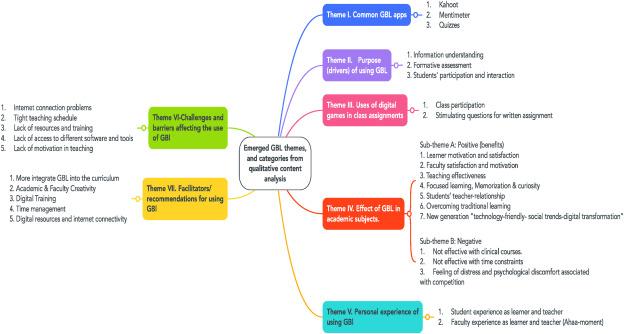
- Top Challenges and Barriers in Game-Based Learning
- Effective Solutions to overcome Game-Based Learning Barriers
- Case Studies: Real-World Experiences
- Practical Tips for accomplished Implementation
- Conclusion
Introduction to game-Based Learning
Game-based learning incorporates game elements,such as points,challenges,and rewards,into educational settings to boost engagement,motivation,and retention. As educators and organizations turn to innovative teaching methods,GBL stands out for its ability to make learning interactive and enjoyable. Nonetheless, the path to integrating digital games or gamified techniques into curricula isn’t without hurdles. understanding these challenges is crucial in crafting effective solutions that drive educational innovation forward.
The Key Benefits of Game-Based Learning
- Enhances engagement: Games capture students’ interest, promoting active participation and intrinsic motivation.
- Encourages Collaboration: Many educational games offer multiplayer features, fostering teamwork and dialog.
- Promotes Critical Thinking: Problem-solving and decision-making are often embedded in game scenarios.
- delivers Immediate Feedback: Players receive real-time feedback, allowing iterative advancement.
- Supports Personalized Learning: Adaptive technologies can tailor challenges to students’ abilities and learning pace.
While these benefits make GBL highly attractive, several obstacles may hinder wide-scale adoption.
Top Challenges and Barriers in Game-based Learning
Implementing game-based learning isn’t always smooth sailing. Here are the most significant barriers preventing its widespread use:
1. Limited Access to Technology
- Inequitable access to devices and stable internet can leave some students at a disadvantage.
- Schools in low-income areas may lack the resources for necessary hardware or software.
2. Teacher Training and Confidence
- Many educators feel unprepared to integrate game-based learning into their lesson plans.
- There is often a knowledge gap regarding the pedagogical use of digital games.
3. Curriculum Alignment and Rigid standards
- Ensuring educational games meet curriculum standards and learning objectives can be challenging.
- Assessment of game-based learning outcomes may not always align with traditional grading systems.
4. Time Constraints
- Adapting lesson plans to include GBL requires additional preparation and planning time.
- Pressure to cover mandated syllabi can make it tough to allocate time for experimentation with new methods.
5. Cost and Budget Limitations
- High-quality, educational game licenses or subscriptions can be expensive.
- Securing ongoing funding for software updates and technical support is another hurdle.
6. Resistance to Change
- Some educators and administrators are skeptical about the effectiveness of game-based learning.
- There might potentially be misconceptions about games being ‘just for fun’ rather than valuable educational tools.
7. Data Privacy and Security Concerns
- Online games may collect personal facts from students, raising data privacy issues.
- Compliance with regulations like FERPA or GDPR must be ensured.
Effective Solutions to Overcome Game-Based Learning Barriers
To harness the full potential of game-based learning,it’s essential to address these barriers proactively. Here’s how educators and organizations can mitigate the challenges:
1. Bridging the technology Gap
- Seek grants and funding: Apply for educational technology grants or partner with ed-tech organizations.
- leverage existing infrastructure: Optimize the use of existing school devices and encourage BYOD (Bring your Own Device) policies where feasible.
- Offer offline options: Choose games or activities that function offline to minimize dependence on constant internet access.
2. Providing Teacher Training and Support
- Offer professional development: Facilitate workshops and online courses focused on integrating educational games effectively.
- Create peer mentorship models: Encourage knowledge sharing and peer support among teachers experienced in GBL.
- Curate resource repositories: Build a library of lesson plans and tutorials for educators to draw upon.
3. Aligning Games with Learning Objectives
- select evidence-based games: Use digital games designed with specific curricular outcomes in mind.
- Embed assessment features: Choose platforms that include analytics or reporting to track progress and achievement.
4. Time Management Strategies
- Integrate games as supplements: Start with supplemental activities rather than a complete curriculum overhaul.
- Create modular game sessions: Use games that can be paused and resumed, fitting into shorter class periods.
5. Managing Costs
- Opt for free or open-source platforms: Many high-quality educational games are available at no or low cost.
- Pool resources: Collaborate with other educators or departments to share licenses.
6. Building a Culture That Embraces Innovation
- Showcase success stories: Share evidence of positive outcomes to inspire buy-in from stakeholders.
- Involve students in feedback: Encourage learners to share their perspectives on game-based activities, highlighting learning gains.
7. Prioritizing Student Data Privacy
- Vet all platforms: Ensure games comply with relevant privacy regulations before implementation.
- Educate students and parents: Provide guidance on safe online behavior and data protection.
Case Studies: Real-World Experiences With Game-Based Learning
Case Study 1: Primary school Success
At Greenwood Elementary School, teachers integrated a mathematics game into their 5th-grade curriculum. Despite initial skepticism, the school provided a short digital literacy workshop for educators and offered tablets for classroom use. Students’ assessment scores improved by 20% over the semester, and teachers reported higher engagement, especially among struggling learners.
Case Study 2: corporate Training Upgraded
A global retail company implemented game-based modules for employee compliance training. Using a cloud-based platform, the L&D department tracked learner progress and facilitated healthy competition through leaderboards. Engagement rates surpassed 85%, and incident rates associated with compliance violations dropped significantly within three months.
Practical Tips for Successful Game-based Learning Implementation
- Start small: Pilot test with a single class or group before rolling out school-wide or organization-wide.
- Involve all stakeholders: Include teachers, students, administrators, and parents in the planning process.
- Gather feedback: Regularly assess the effectiveness of games and make data-driven adjustments.
- Promote digital citizenship: Teach students responsible and ethical technology use alongside game activities.
- Keep learning goals central: Ensure that fun and engagement always support, rather than distract from, educational objectives.
Conclusion
While the journey to integrating game-based learning is filled with obstacles, recognizing the top challenges in implementation is the first step toward meaningful change. From technology gaps to curriculum alignment and cultural resistance, each barrier has practical solutions within reach. By investing in teacher training, securing equitable access, and maintaining a laser-focus on educational outcomes, schools and organizations can unlock the powerful benefits of GBL. Start small,measure success,and scale what works—soon,game-based learning can become a cornerstone of modern education and training.
Looking for more insights? Bookmark this page and subscribe for updates on gamification,digital learning,and best EdTech practices.