
Top Challenges in Implementing Microlearning Strategies and How to Overcome Them
microlearning has rapidly gained popularity as a highly effective learning strategy for modern organizations.By delivering bite-sized, focused content, microlearning promises to boost learner engagement, improve knowledge retention, and cater to varied learning needs. However, integrating microlearning into your organization’s learning and growth (L&D) stack is not without its obstacles. In this article, we’ll dive deep into the top challenges in implementing microlearning strategies and provide proven solutions to successfully overcome them.
What is Microlearning? – A Quick Overview
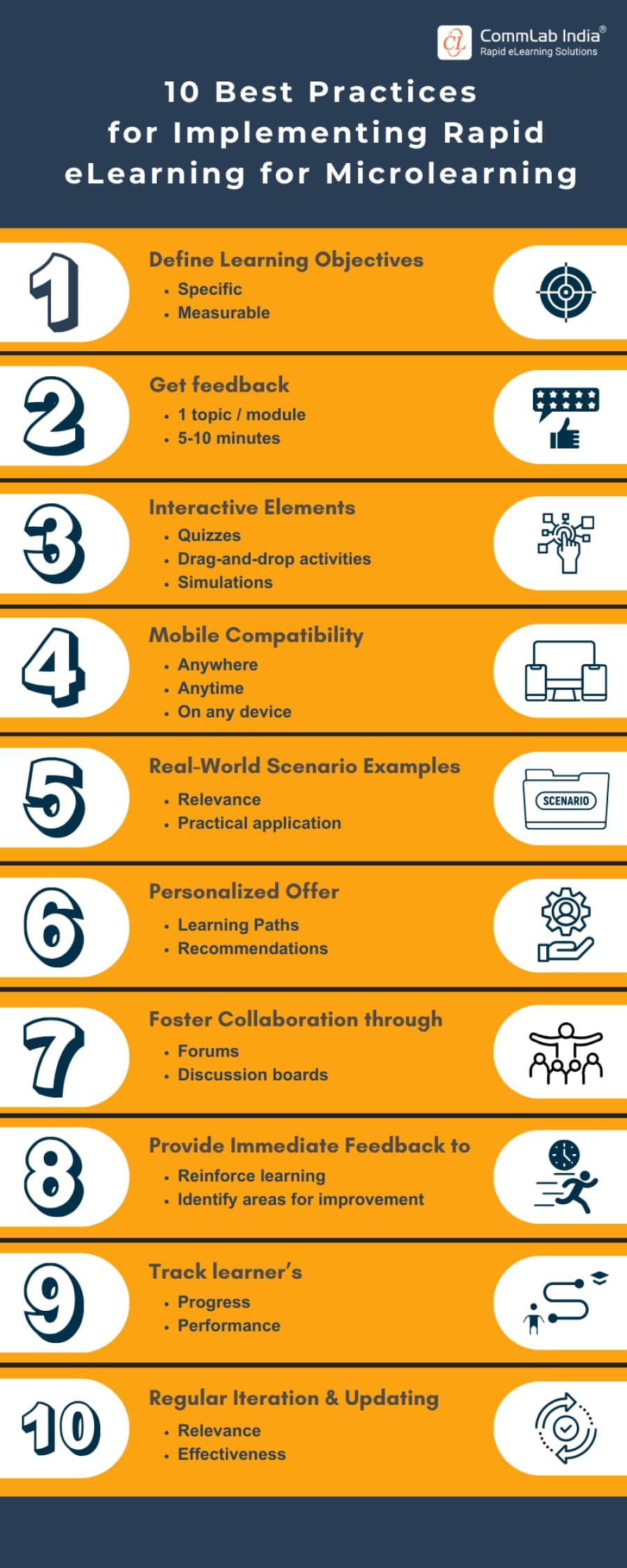
Microlearning refers to delivering educational content in small, digestible chunks, often focused on a single learning objective. These modules typically last between two to ten minutes and are designed for flexible,just-in-time learning experiences. As a versatile approach, microlearning is widely used in corporate training, onboarding, compliance, and skills development.
Key Benefits of Microlearning
- Increased learner engagement through focused content
- Higher retention rates due to reinforced learning
- Enhanced flexibility, enabling on-the-go learning
- Cost-effective and scalable across teams
Despite these advantages, organizations often encounter several roadblocks while trying to roll out microlearning effectively.Let’s explore these top challenges of implementing microlearning.
Top Challenges in implementing Microlearning Strategies
1. Content Curation and Creation
One of the biggest hurdles is sourcing or creating high-quality, concise content. unlike conventional training, microlearning modules must distill essential facts without overloading learners.
- Lack of Specialized content Creators: not all subject matter experts (SMEs) are skilled at boiling down complex topics.
- Repurposing Existing Content: Long-form courses or manuals require meaningful adaptation for microlearning formats.
- Ensuring Consistency: Maintaining a cohesive voice, style, and branding across multiple micro-modules can be challenging.
How to Overcome
- Invest in Microlearning Training: Train instructional designers and SMEs on best practices for microlearning content creation.
- leverage Authoring Tools: Use specialized tools (e.g., Articulate Rise, iSpring, or WordPress LMS plugins) to streamline and standardize content creation.
- Set Clear Guidelines: Develop microlearning templates and style guides to ensure consistency and brand alignment.
2. Technology Integration and Accessibility
Implementing microlearning strategies often requires integrating new platforms or updating existing Learning Management Systems (LMS).Ensuring that micro-modules are easily accessible on various devices is a recurring challenge.
- LMS Compatibility: Not all LMS platforms support microlearning formats or mobile-friendly layouts.
- Device Accessibility: Learners expect content to work seamlessly on smartphones, tablets, and desktops.
- Bandwidth and Connectivity: Multimedia-rich microlearning (videos, animations) can pose issues for users with limited internet access.
How to Overcome
- Audit Your Platform: Assess your current LMS or eLearning platform for microlearning readiness.
- mobile-First Design: Prioritize responsive design and lightweight formats to support mobile users.
- Content Compression: Use compressed videos and minimalistic visuals to reduce load times and data use.
3. Learner Adoption and Engagement
While microlearning is designed for engagement, lack of motivation or clarity can lead to underutilization.
- Resistance to Change: Some learners or managers may be skeptical about the shift from traditional training to microlearning.
- Lack of Context: Bite-sized modules may fail to provide the broader context needed for deep understanding.
- Poor User Experience: Inadequate navigation or unclear learning paths can frustrate learners.
How to Overcome
- communicate value: Highlight the benefits of microlearning for both learners and stakeholders.Use internal campaigns to build excitement and explain how microlearning fits into broader development goals.
- Gamification: Implement badges, points, and leaderboards to motivate and sustain engagement.
- Blended Learning Paths: Combine microlearning with traditional macro-learning for holistic understanding.
4. Measuring Effectiveness
Evaluating the impact of microlearning can be tough,especially if organizations are used to traditional metrics.
- Limited Data: Microlearning modules frequently enough focus on specific skills, making it challenging to measure overall performance improvement.
- Isolated Assessments: Short quizzes may not accurately reflect knowledge retention or skill transfer to the job.
How to Overcome
- Define KPIs: Establish clear learning objectives and key performance indicators (KPIs) for each module (e.g.,completion rate,assessment scores,on-the-job request).
- Integrated Analytics: Use LMS analytics and custom reports to track learner progress and engagement over time.
- Feedback Loops: Collect feedback from learners and supervisors to continuously improve microlearning content.
5. Maintaining Relevance and Updating Content
Microlearning content, frequently enough produced in high volume, can quickly become outdated, especially in industries with rapid change.
- Content obsolescence: Information can become irrelevant or incorrect if not regularly reviewed.
- version Control: Tracking updates across multiple micro-modules poses logistical challenges.
How to Overcome
- Regular Audits: Schedule periodic reviews to update and refresh microlearning content.
- Modular Content Management: Use a centralized content management system (CMS) or WordPress with custom post types and revision history to track changes.
- Stakeholder Involvement: Involve SMEs in ongoing reviews and feedback cycles to ensure accuracy.
Practical Tips for Successful Microlearning Implementation
- Start Small: Pilot a microlearning initiative with one team or department to identify unique challenges and refine your process.
- Collaborate Across Departments: Engage both L&D, IT, and business stakeholders for a smooth rollout.
- Utilize Feedback: Regularly survey learners and managers to uncover pain points and areas for improvement.
- Stay Current with Trends: Follow Microlearning and EdTech communities to keep up with the latest tools, formats, and best practices.
First-Hand Experience: A Case Study
XYZ Corporation, a global technology firm, sought to enhance employee onboarding with microlearning. Initially, the team faced issues with repurposing dense training manuals into micro-modules and integrating them with their legacy LMS. After investing in a mobile-first LMS plugin for WordPress and providing content curation workshops for their SMEs, thay saw engagement jump by 35% and onboarding time reduced by two weeks. Consistent feedback loops and periodic content audits ensured ongoing success and relevance.
Conclusion: Prepare for Microlearning Success
implementing an effective microlearning strategy demands careful planning, stakeholder buy-in, and ongoing optimization. By understanding the challenges associated with microlearning implementation—from content creation and technology integration to learner engagement and measurement—you can anticipate roadblocks and proactively address them.
Remember: The journey to successful microlearning is a continuous process. Prioritize content quality, seamless delivery, and robust analytics. With the right approach, microlearning can transform your organization’s learning culture and deliver measurable results.
Frequently Asked Questions (FAQ)
- What is the ideal length for a microlearning module? – Most experts recommend 2-10 minutes per module,focusing on a single learning objective.
- How do you measure microlearning effectiveness? – Track completion rates, quiz results, application of knowledge on the job, and gather learner feedback.
- can microlearning replace traditional courses? – Microlearning works best as a complement to larger training programs, not a complete replacement.