
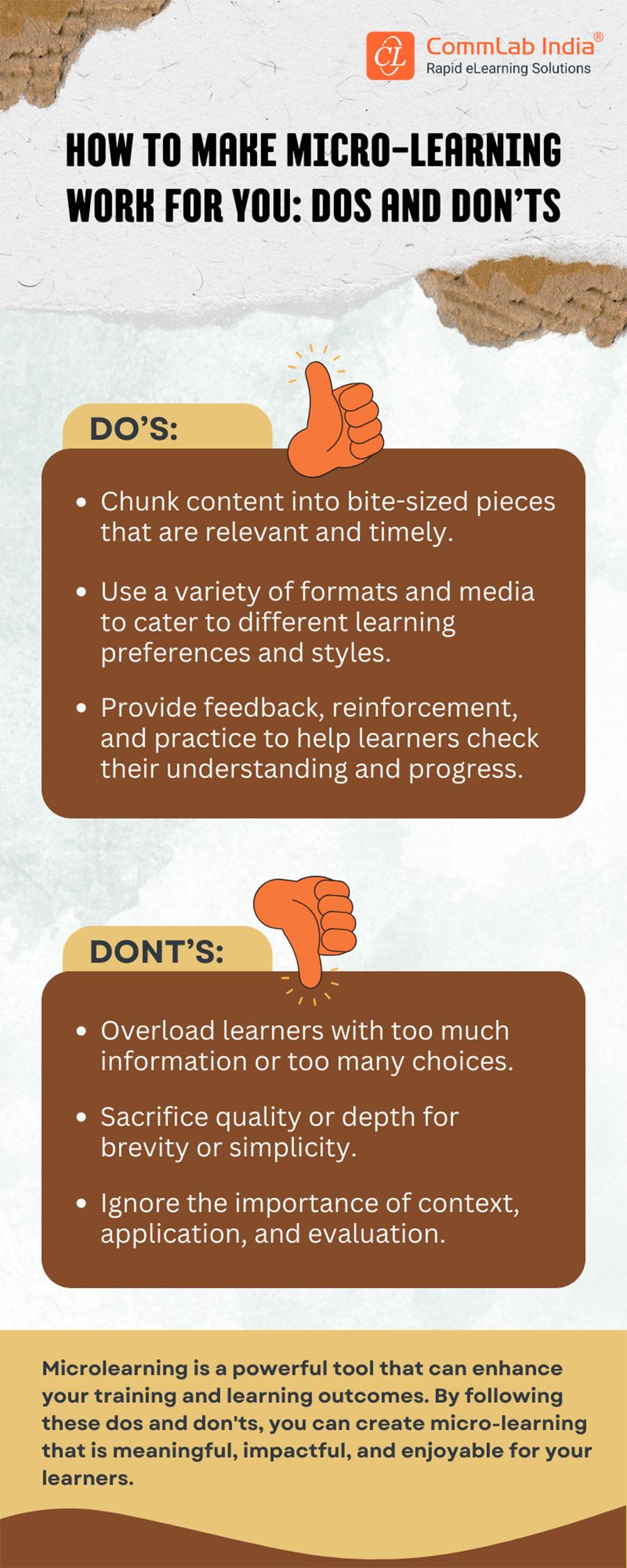
Top Challenges in Implementing Microlearning Strategies: Key Hurdles & Solutions
Microlearning has emerged as a powerful approach in workplace learning, enabling organizations to deliver bite-sized, focused content that’s easily digestible and accessible for modern learners.While the benefits of microlearning strategies are numerous—from improved retention to flexible delivery—the path to accomplished implementation is not without its challenges.In this comprehensive article, we will dive into the top hurdles organizations face when rolling out microlearning solutions, unpack proven strategies to overcome these obstacles, and share practical tips and real-world examples to ensure yoru microlearning initiative thrives.
What is Microlearning & Why is It Trending?
Microlearning refers to short, targeted lessons designed to meet specific learning objectives. Typically delivered through digital platforms,microlearning modules can include quizzes,videos,infographics,podcasts,flashcards,and other interactive resources. These strategies have gained popularity due to their effectiveness in modern work environments,supporting mobile learning,just-in-time training,and continuous professional development.
- Keyword-rich Examples: Microlearning strategies in corporate training, benefits of microlearning solutions, implementing microlearning in the workplace.
- Core Features: Accessible on mobile devices, user-driven pacing, focus on granular topics, and immediate feedback.
Top Challenges in Implementing Microlearning Strategies
despite its clear advantages, rolling out microlearning solutions comes with notable roadblocks. Understanding these challenges is the first step to building an effective and lasting strategy.
1. Content Fragmentation & Lack of Cohesion
Since microlearning focuses on small, segmented modules, there is risk of details becoming fragmented. Learners might struggle to see the bigger picture or connect isolated lessons to overarching objectives.
- Challenge: Ensuring all microlearning modules align with core learning goals and are integrated into a cohesive curriculum.
- Solution: Design microlearning paths or learning journeys that link modules logically. Use anchor lessons or periodic synthesis activities that reinforce how concepts interconnect.
2. Resistance to Change & Low Engagement
Adopting microlearning solutions often requires a mindset shift for both learners and managers accustomed to traditional, long-form training.
- Challenge: Motivating employees to engage with frequent, short learning sessions and demonstrating their value.
- Solution: Communicate microlearning benefits clearly, integrate modules into daily work routines, leverage gamification elements (badges, leaderboards), and gather feedback to improve relevance.
3. Technology Integration & Accessibility Issues
Microlearning implementation relies heavily on digital platforms and devices, which may pose compatibility or accessibility problems for some organizations and learners.
- Challenge: Ensuring all employees can seamlessly access microlearning content on various devices and platforms.
- Solution: Opt for responsive learning management systems (LMS) and mobile-first design,conduct thorough testing,and provide offline access options where possible.
4. Measuring Learning Effectiveness
Short modules often make it difficult to assess long-term knowledge retention and behavioral change. Stakeholders might question the ROI of investing in microlearning solutions.
- Challenge: Demonstrating clear learning outcomes and linking microlearning to performance improvements.
- Solution: Use analytics tools to track engagement, completion rates, and assessment results. Supplement with periodic reviews,post-training surveys,and on-the-job performance evaluations.
5. Scaling Content Creation Without Compromising quality
To keep microlearning effective and employees engaged, organizations require a steady stream of high-quality content.
- Challenge: Producing and managing a large volume of microlearning modules without diluting instructional value.
- Solution: Establish clear content guidelines, invest in authoring tools, involve subject matter experts, and repurpose existing materials. Implement workflow automation to streamline updates and maintenance.
Benefits of Overcoming Microlearning Implementation Challenges
Successfully navigating these challenges not only streamlines the microlearning process but unlocks several powerful benefits:
- Higher Knowledge Retention: Learners absorb content in digestible pieces, boosting long-term recall.
- Improved Employee Engagement: Flexible access and interactive experiences drive motivation.
- Cost Savings: Reduced time and resources compared to traditional in-person training.
- Scalable Training: Easily customized, updated, and distributed to large or dispersed teams.
- Performance Enhancement: Just-in-time learning supports rapid skill development and immediate application to job tasks.
Practical Tips for Effective Microlearning Implementation
- Define Clear Learning Outcomes: Each module should have a specific objective linked to real-world application.
- Incorporate Storytelling & Real-world Scenarios: Boost relevance and engagement by contextualizing content.
- Blend Microlearning With Other Approaches: combine with classroom sessions,coaching,or eLearning for holistic programs.
- solicit Feedback & Iterate: Use learner surveys and analytics to refine content for ongoing improvement.
- Prioritize Responsive & accessible Design: Ensure content works seamlessly on smartphones, tablets, and desktops.
- Leverage Automation & AI Tools: Streamline module creation, personalization, and performance tracking.
Case Studies: Microlearning Implementation Success Stories
let’s explore how two organizations successfully overcame implementation challenges to build impactful microlearning strategies:
Case Study 1: Corporate Sales Training Conversion
A global sales organization revamped its training program by introducing microlearning modules tailored to different product lines. Using a mobile-first LMS, modules were pushed to sales reps’ devices—enabling on-demand access before client meetings and during travel. By embedding quizzes and role-play scenarios, the company tracked skill improvement and saw a 20% increase in sales conversion rates within six months.
Case Study 2: Healthcare Compliance Mini-Lessons
A hospital network addressed compliance training fatigue by splitting annual requirements into monthly microlearning lessons. Each module used short animations to explain critical issues (patient privacy, sanitation, documentation). completion rates rose from 46% to 89%, and post-training audits revealed improved protocol adherence, reducing compliance violations by 32% year-over-year.
First-Hand Experience: Microlearning in Action
As a Learning & Development professional in the tech industry, I lead the transition from conventional classroom training to microlearning for onboarding new developers. The biggest hurdle was skepticism: managers doubted short modules could teach complex concepts.By piloting a blended approach—combining 5-minute video lessons with weekly peer-led Q&A sessions—new hires reported faster ramp-up time, higher satisfaction, and less overwhelm. Our retention of essential skills improved, and we’ve now expanded microlearning beyond onboarding to ongoing product training.
Conclusion: Navigating Microlearning Challenges for Maximum ROI
Microlearning strategies offer immense possibility for companies seeking agile, impactful training solutions. Recognizing and proactively addressing key hurdles—like content cohesion, learner engagement, technological barriers, metrics, and scalable content creation—is essential for success.By integrating practical tips, learning from real-world case studies, and using the right technologies, organizations can maximize microlearning’s ROI and foster a dynamic learning culture that drives business results. Start your microlearning journey today,and watch your employees’ knowledge,skills,and performance reach new heights!