
Top Challenges in Implementing Microlearning strategies: Overcoming Barriers for Effective Workplace Training
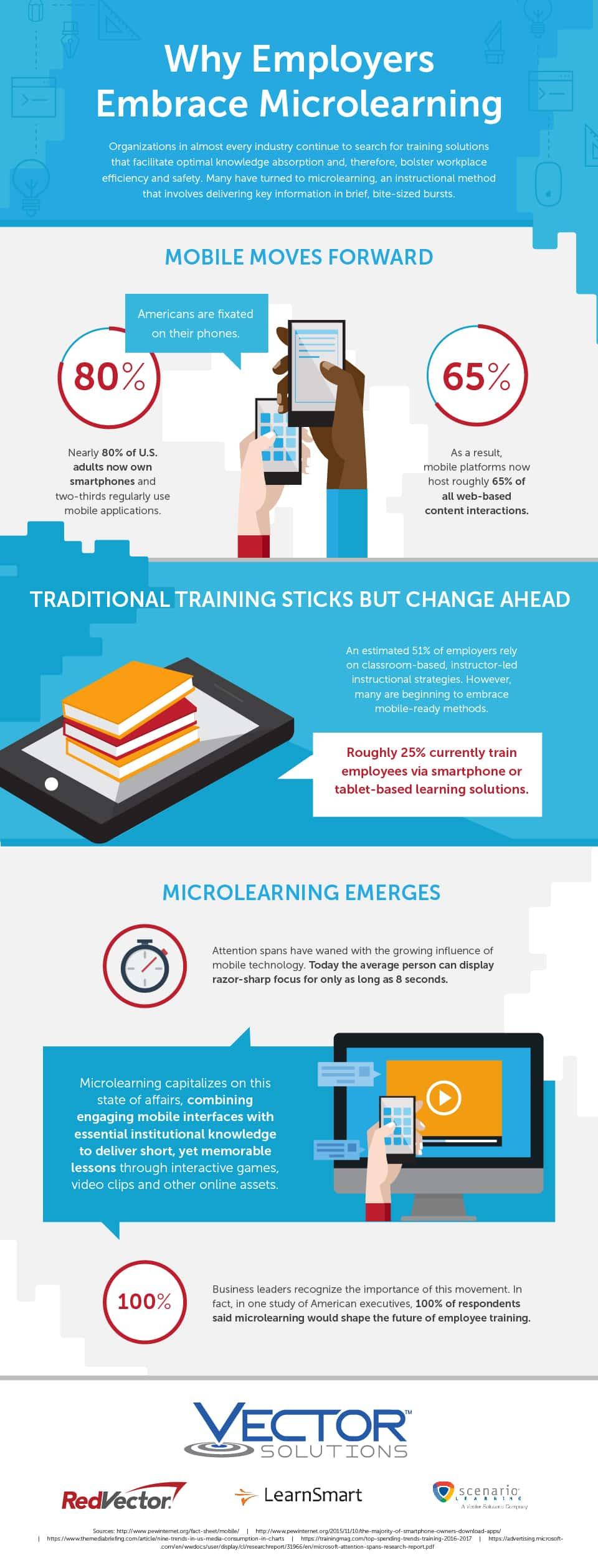
Microlearning has emerged as a powerful approach to workplace training, enabling organizations to deliver concise, focused learning experiences for busy employees. By breaking down complex topics into bite-sized modules, microlearning helps boost retention, engagement, and on-the-job performance. Though, designing and deploying an effective microlearning strategy is not without its challenges. This article explores the top challenges organizations encounter when implementing microlearning, shares actionable solutions to overcome these barriers, and offers insights for creating a accomplished workplace training program.
What is Microlearning—and Why Is It Relevant for Workplace Training?
Microlearning refers to the delivery of learning content in small, specific chunks. These modules—often ranging from a few seconds to a few minutes—focus on one learning objective, making content easy to digest and apply immediately.
- Flexible and accessible: Employees can access training at their own pace, on any device.
- Highly engaging: Multimedia elements and interactivity boost learner motivation.
- Efficient: Focused modules reduce cognitive overload and accommodate busy schedules.
With remote and hybrid work environments becoming the norm, microlearning strategies are vital for companies seeking to continually upskill their workforce while maintaining productivity.
Benefits of Microlearning for Workplace Training
Before diving into the challenges, let’s briefly highlight how microlearning can transform workplace training programs:
- Improved knowledge retention: Short, focused sessions help learners retain and apply facts better.
- Personalized learning paths: Employees can choose relevant modules based on their needs.
- Reduced training costs: Shorter courses can be produced swiftly and updated frequently, minimizing development costs.
- Just-in-time learning: Information is available on-demand, right when employees need it.
Despite these advantages, there are important barriers to implementing microlearning strategies effectively.
Top Challenges in Implementing Microlearning Strategies
Below are the major obstacles organizations typically face when rolling out microlearning for workplace training, along with practical tips for overcoming each barrier.
1. Difficulty in Content Curation and Conversion
Transforming existing training materials into microlearning modules requires time, expertise, and strategy. Long-form content must be distilled into its most valuable elements,without losing context or depth.
- Challenge: Striking a balance between brevity and comprehensiveness.
- Solution: Work with subject matter experts and instructional designers to identify core learning objectives. Use microlearning templates and break information into discrete, actionable nuggets. Leverage tools like Articulate Rise or Adobe Captivate for easy content segmentation.
2. Ensuring Learner Engagement and Motivation
short modules can sometimes be overly simplistic or fail to captivate learners. Without effective engagement strategies, employees may skip or forget modules, diminishing training impact.
- Challenge: Maintaining interest in regularly consumed, bite-sized content.
- solution: Incorporate interactive elements such as quizzes, polls, scenario-based activities, and gamification. Personalized learning paths and regular feedback increase motivation.
3. Integrating Microlearning into Existing Systems
Organizations frequently enough struggle to blend microlearning with legacy training systems and Learning Management systems (LMS).
- Challenge: Technical compatibility and seamless learner experience.
- Solution: Choose microlearning platforms (like EdApp, Axonify, or TalentCards) that integrate with existing LMS or HR software via APIs. Ensure mobile compatibility and user-friendly navigation.
4. Measuring Training Effectiveness
Traditional metrics (course completion rates and test scores) may not adequately capture the impact of microlearning.Organizations need robust methods to assess performance gains and knowledge submission on the job.
- Challenge: Defining and tracking meaningful learning outcomes.
- Solution: Set clear learning objectives for each microlearning unit. Use data-driven analytics, real-time assessments, and business KPIs (e.g., sales betterment, reduced errors) to gauge effectiveness.
5. Overcoming Resistance to Change
Employees and managers may be skeptical of ”bite-sized learning,” especially if accustomed to traditional instructor-led or lengthy eLearning courses.
- Challenge: Cultural resistance and lack of familiarity.
- Solution: Educate stakeholders on the benefits of microlearning.Share success stories and offer pilot programs to demonstrate value before full-scale rollout.
6. maintaining Content Relevancy and Freshness
Microlearning modules can quickly become outdated if not reviewed and updated regularly, especially in fast-changing industries.
- Challenge: Keeping modules current and relevant.
- Solution: Implement regular content audits and feedback mechanisms. Use agile content creation processes for rapid updates and encourage SMEs to provide ongoing input.
7. Navigating Scalability and Consistency
As organizations grow, training must reach new teams, locations, and departments without compromising consistency or quality.
- Challenge: Delivering uniform learning experiences at scale.
- Solution: Create standardized microlearning frameworks and style guides. Use cloud-based systems for centralized content management and distribution.
Practical Tips for Successful Microlearning Implementation
In addition to addressing core challenges, consider the following tips for unlocking the full potential of microlearning in your workplace:
- Start small: Launch a pilot microlearning program with a specific team or topic. Gather feedback and refine.
- Leverage multimedia: Use videos, infographics, podcasts, and animations for varied, immersive learning experiences.
- Enable social learning: Foster discussion forums, chat groups, and peer sharing to deepen engagement.
- Blend with other formats: Combine microlearning with instructor-led training for skill reinforcement.
- Empower on-the-go learning: Make modules accessible via smartphones and tablets to reach remote or mobile employees.
Case Study: Microlearning Success in a Global Retail Company
One global retail brand faced challenges with inconsistent training across its stores. By implementing a branded microlearning app, the company:
- Converted key product knowledge into bite-sized modules for in-store employees
- Enabled daily 5-minute refresher sessions accessible via mobile devices
- Implemented achievement badges and leaderboards to gamify learning
- Saw a significant increase in employee engagement and product sales within three months
The key takeaway: Microlearning is most impactful when tailored to specific roles, supported by engaging content, and seamlessly integrated into the work environment.
First-Hand Experience: Tips from L&D Professionals
“Microlearning isn’t just about shrinking content; it’s about pinpointing what matters most for the learner, delivering it right when they need it, and encouraging practical application. Keep modules short, relevant, and interactive—that’s the secret!”
“Measuring the impact of microlearning goes beyond test scores. We track how often employees use modules,apply new skills in their workflow,and share positive feedback. Regular surveys help us tweak content and boost engagement.”
Conclusion: Making Microlearning Work for Your Workplace
Microlearning promises faster, more flexible, and more effective employee training—but only when implemented with a strategic, learner-focused approach. By anticipating and overcoming challenges such as content conversion, engagement, technical integration, and scalability, organizations can harness the full power of microlearning for workforce development. Focus on clear objectives, engaging content, robust measurement, and ongoing refinement to create a resilient and impactful training program.
Ready to transform your workplace training with microlearning? start with a pilot program, listen to learner feedback, and champion continuous improvement. The barriers might potentially be real, but with the right strategies, your organization can deliver training that’s not just bite-sized—but truly mighty.
—
Frequently searched Questions
- What are microlearning challenges in corporate training?
- How can organizations overcome barriers to microlearning implementation?
- What are the benefits of microlearning for workplace development?
For more insights on training strategies and microlearning solutions, subscribe to our newsletter or follow us for the latest updates!