
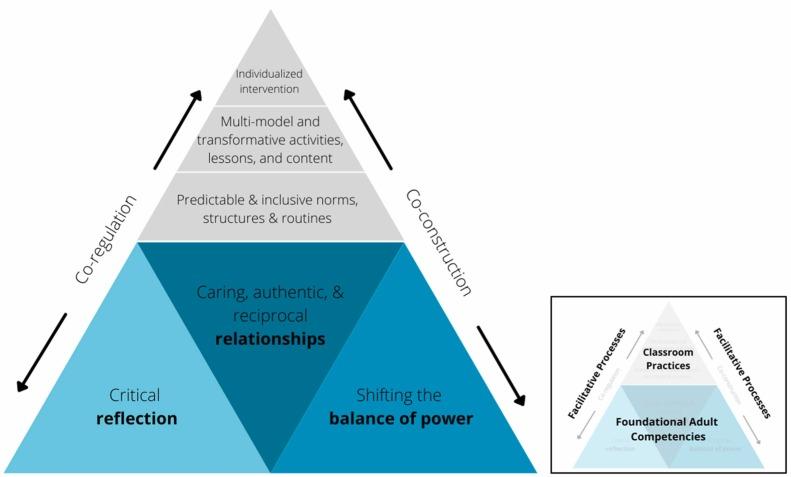
Top Challenges in Implementing SEL Curricula: Key Obstacles and Solutions in schools
Social-Emotional Learning (SEL) has become a cornerstone in modern education, equipping students with essential life skills such as self-awareness, emotional regulation, and interpersonal communication.However, implementing SEL curricula in schools is not without challenges. This comprehensive guide delves into the major obstacles school districts frequently encounter and offers practical solutions to ensure successful SEL integration,enhanced student outcomes,and holistic academic growth.
What is Social-Emotional Learning (SEL)?
Social-Emotional Learning (SEL) refers to the process through which students acquire the ability to manage emotions,develop empathy,build positive relationships,and make responsible decisions. SEL programs are designed to cultivate emotional intelligence alongside academic achievement, benefiting both individual students and the wider school community.
Benefits of Implementing SEL Curricula in Schools
- Improved academic performance and motivation
- Greater emotional resilience among students
- Enhanced classroom behavior and reduced conflicts
- Stronger teacher-student relationships
- Increased school attendance and lower dropout rates
Key Challenges in Implementing SEL Curricula
Despite the clear benefits,schools frequently enough face several challenges in SEL curriculum implementation. Understanding these obstacles is essential for educators, administrators, and policymakers dedicated to fostering holistic student development.
1. Lack of Teacher Training and Professional Development
Teachers are the driving force behind successful SEL integration, yet many lack adequate training in SEL principles and strategies. Without professional development, instructors may feel unprepared to teach emotionally charged content or model desired social behaviors.
- Solution: Invest in continuous SEL-focused professional development workshops. Empower teachers with practical strategies, resources, and support networks.
2. Limited Time and overcrowded Curriculum
With increasing academic demands and standardized testing, teachers have limited instructional time. SEL activities may be perceived as supplementary, resulting in insufficient implementation or superficial exposure.
- Solution: Embed SEL lessons into existing subjects. Integrate social-emotional competencies into language arts, science, and daily routines to maximize impact without overcrowding the schedule.
3. Inadequate Resources and funding
Schools frequently struggle with budget constraints, making it challenging to purchase SEL materials, invest in training, and evaluate program effectiveness.
- Solution: Seek external funding through educational grants, community partnerships, and digital SEL resources. Utilize freely available, evidence-based SEL programs whenever possible.
4. Resistance from School stakeholders
Some educators and parents may view SEL as non-essential, fearing it detracts from core academic instruction or conflicts with personal beliefs.
- Solution: Build stakeholder buy-in through transparent communication, community events, and sharing research on SEL’s positive impact.
5. Lack of Consistency and Fidelity in Implementation
Inconsistent request of SEL curricula can undermine its effectiveness, leading to fragmented social-emotional development.
- Solution: Establish clear guidelines, monitoring frameworks, and a supportive culture that holds everyone accountable for SEL integration.
6. Cultural and Linguistic Relevance
SEL programs that fail to reflect the diverse backgrounds of students may be less effective and even alienate participants.
- solution: Choose or adapt SEL curricula to respect students’ cultural identities and lived experiences. Encourage stakeholder feedback for regular program improvements.
7. Measuring SEL Outcomes
Assessing the impact of SEL is challenging due to the intangible nature of emotional intelligence and interpersonal skills.
- Solution: Use validated assessment tools, such as surveys, observations, and portfolios, alongside academic data to capture SEL growth.
Practical Tips for Successful SEL Curriculum Implementation
- Start Small: Launch pilot programs or begin with a single grade level to identify strengths and challenges before wider adoption.
- foster a Positive School Climate: Develop rituals and routines that promote safety, inclusivity, and respect throughout the school.
- Encourage Teacher Collaboration: Facilitate regular meetings for teachers to share SEL experiences, resources, and troubleshoot challenges together.
- Engage Families: Involve parents and caregivers in SEL activities; provide resources and workshops to extend learning beyond the classroom.
- Monitor and Adjust: Collect feedback regularly from students, staff, and families, adjusting SEL strategies to meet evolving needs.
Case Studies: Overcoming SEL implementation Challenges
Let’s examine how two schools addressed obstacles in SEL curriculum adoption and achieved noteworthy results:
First-Hand Experience: educator Perspectives on SEL Integration
“Implementing SEL was daunting at first, but sharing success stories with colleagues and celebrating small wins made it lasting.Students are more empathetic and our school community feels safer and more supportive.”
– Ms. Larson, 5th Grade Teacher
Educators consistently note that ongoing support, peer collaboration, and administrative leadership are vital in creating lasting change with SEL curricula.
Conclusion: Turning SEL Challenges into Opportunities for Growth
While implementing SEL curricula in schools presents several challenges, each obstacle is surmountable with strategic planning, stakeholder engagement, and dedicated resources. SEL is not just an “add-on”—it is essential for nurturing well-rounded, emotionally intelligent students who thrive academically and socially. By embracing evidence-based solutions, fostering inclusive environments, and prioritizing professional development, schools can unlock the full potential of SEL and shape their students into empathetic, resilient future leaders.
Ready to Transform Your School’s Approach to Social-Emotional Learning?
Explore our resources and expert guides on implementing SEL curricula in schools. Empower your staff, engage your community, and build a supportive, high-achieving environment where every child feels valued.