
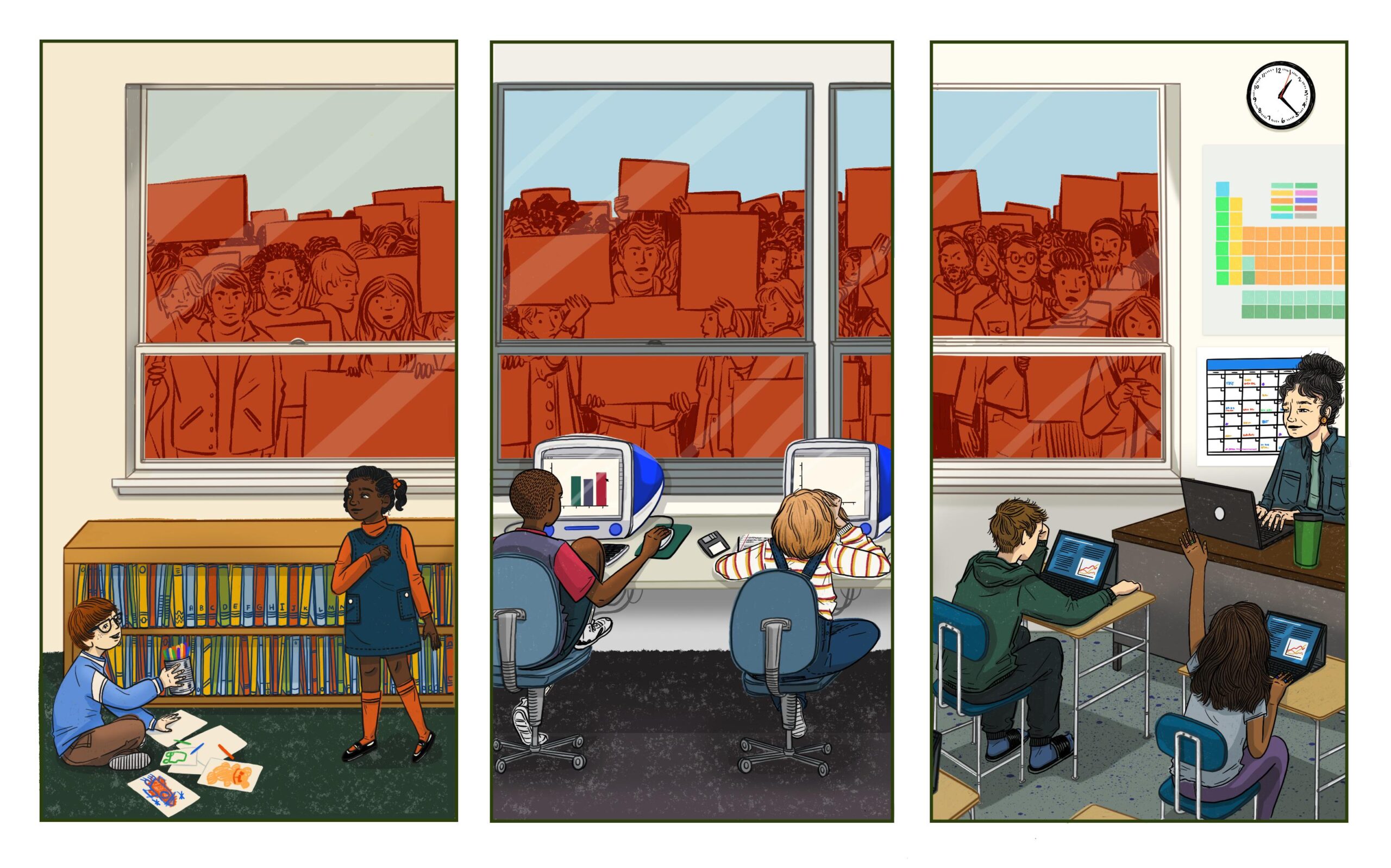
Top Challenges in Implementing SEL Curricula: Key Obstacles Schools Must Overcome
Social-Emotional Learning (SEL) has become an increasingly critically important component of modern education. As schools strive to develop emotionally intelligent, empathetic, and resilient learners, SEL curricula can transform school culture and student outcomes. However, implementing SEL programs is not without its challenges. This article delves into the top challenges in implementing SEL curricula, discusses key obstacles schools must overcome, and offers practical solutions and tips for educators and administrators looking to make SEL a meaningful part of their educational strategy.
Understanding SEL: Benefits and importance
Before addressing the key obstacles in SEL implementation, it’s vital to understand why social-emotional learning is so critical for today’s students:
- Academic Improvement: Research shows that SEL programs boost academic performance by improving focus, motivation, and self-discipline.
- Behavioral Outcomes: SEL reduces behavioral issues, bullying, and disciplinary incidents within schools.
- Mental health Support: SEL curricula offer tools for managing stress, anxiety, and peer pressure, leading to stronger emotional well-being.
- Lifelong Skills: Social-emotional competencies are linked to success in college, careers, and relationships.
Despite these compelling benefits, schools face significant barriers when attempting to embed SEL into their daily routines.
Top Challenges in Implementing SEL Curricula
Below are the primary obstacles schools encounter when implementing social-emotional learning strategies:
1. limited Resources and Funding
Many schools operate with tight budgets, making it challenging to allocate additional funds for SEL curriculum, training, and support materials.
- Purchasing high-quality SEL resources or programs can be costly.
- Lack of dedicated staff or counselors for SEL implementation.
- Competition for funding with other academic priorities.
2.Insufficient Teacher Training
Teachers play a central role in delivering SEL curricula,yet many lack the necessary training to effectively teach social-emotional skills.
- Limited professional growth opportunities focused on SEL.
- Teachers may feel unprepared or unequipped to address sensitive topics.
- Inconsistent approaches across grade levels and classrooms.
3. Resistance to Change
Introducing SEL can spark pushback from educators, parents, or even students who may not promptly see its value.
- Concerns about academic “time loss” and competing curriculum demands.
- Misperceptions about SEL as “soft skills” rather than essential competencies.
- Cultural barriers or lack of understanding about SEL’s role in education.
4. Lack of Clear Implementation Strategy
Without a structured approach,SEL initiatives can flounder or lose momentum.
- Unclear goals or assessment metrics for SEL programs.
- Fragmented delivery; SEL activities are isolated rather than integrated.
- Short-term projects versus ongoing, enduring cultural change.
5. Measuring SEL Outcomes
Evaluating the success of SEL initiatives is a persistent challenge for schools.
- Difficulty in quantifying social-emotional growth or changes.
- Limited standardized tools for assessment.
- Complexity of connecting SEL outcomes to academic or behavioral results.
6. Student Engagement and Buy-In
Effective SEL implementation depends on student participation and engagement.
- Some students may perceive SEL lessons as irrelevant or uninteresting.
- Diverse needs and backgrounds require differentiated approaches.
- Fear of judgment or stigma when discussing emotions or interpersonal issues.
Practical Tips to Overcome SEL Implementation Obstacles
While these challenges are significant, schools can employ proven strategies to ensure successful SEL integration:
- Secure Stakeholder Buy-In: Engage parents, administrators, and teachers in dialog about SEL’s importance. Share evidence-based research and student testimonials.
- Invest in Ongoing Professional Development: Provide regular SEL-focused workshops, peer mentoring, and online training modules for staff.
- Start Small, Scale Strategically: Launch pilot programs in select classrooms or grades before expanding schoolwide.
- Integrate SEL Across the Curriculum: Embed SEL themes into academic subjects, extra-curricular activities, and school-wide initiatives.
- use Data to Inform Practice: Implement simple assessment tools (surveys, self-reflections, behavioral observations) to monitor progress and refine approaches.
- Highlight Success Stories: Share case studies and first-hand experiences to inspire continued commitment and learning.
Case Studies: schools successfully Navigating SEL Challenges
Case Study 1: Urban School District—Overcoming funding Barriers
An urban school district facing budget constraints partnered with local organizations to secure grants for SEL staff training and curriculum development. By leveraging community resources and demonstrating early positive outcomes,they secured future funds and expanded their program districtwide. Key lessons:
- Community partnerships can be vital for resource acquisition.
- Early success helps build momentum and attract additional funding.
Case Study 2: Suburban Elementary School—Increasing Teacher capacity
A suburban school recognized gaps in teachers’ SEL expertise.They implemented ongoing workshops, peer support groups, and gave teachers time to share best practices during staff meetings.Resulting data showed higher student engagement and improved classroom climate.
- Professional development must be consistent, not sporadic.
- Empowering teachers strengthens SEL delivery and outcomes.
Case Study 3: Rural Middle School—Boosting Student Buy-In
Concerned that students viewed SEL as “extra work,” a rural middle school incorporated student voice into program design. Students created SEL-focused projects, peer mentoring initiatives, and led school assemblies. Engagement and participation soared.
- Student leadership can transform SEL perceptions and impact.
- authentic involvement increases relevance and ownership.
first-Hand Experience: Insights from Educators
“integrating SEL into our classroom routines has reduced conflicts and helped students manage stress. The biggest challenge is finding time in the school day, but when we make SEL a priority, academic and behavioral improvements follow.” — Emma Rodriguez, 5th Grade Teacher
“Our school’s SEL journey began with skepticism from staff and parents. Transparent dialogue and sharing the science behind SEL helped us achieve buy-in. Watching students grow into thoughtful leaders made every effort worthwhile.” — Mark Nguyen, Principal
Conclusion: Navigating the SEL Implementation Journey
Overcoming the top challenges in implementing SEL curricula requires dedication, creativity, and strategic planning. Schools must address funding, provide ongoing professional development, foster stakeholder buy-in, and develop clear implementation strategies to achieve lasting success. By learning from real-world examples,leveraging data,and continually adapting approaches,educators and administrators can ensure that SEL becomes an integral part of their school culture,supporting student academic achievement,well-being,and lifelong success.
Ready to champion SEL in your school? Start small, build capacity, and celebrate every step forward.The rewards—for your students and the entire community—are transformative.