
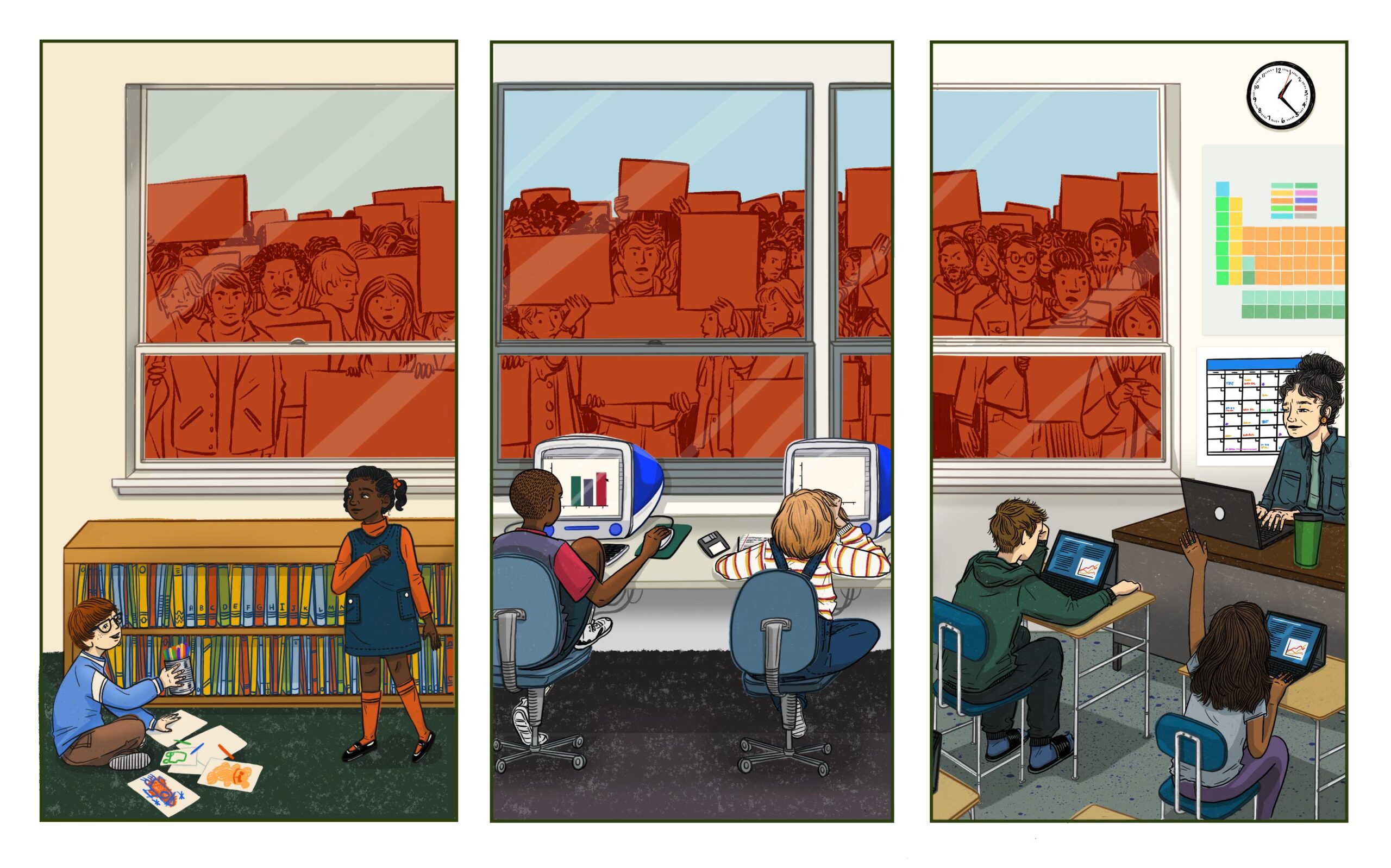
Top Challenges in Implementing SEL Curricula: Solutions for Schools and Educators
Social Emotional learning (SEL) has become essential for fostering not only academic success but also students’ emotional wellbeing and interpersonal skills. However, even with its growing importance, schools and educators encounter notable challenges when implementing effective SEL programs. In this article, we’ll explore the top challenges in implementing SEL curricula, provide actionable solutions, and share practical insights to guide educators on their SEL journey.
Table of Contents
- Introduction to SEL and Its Importance
- Benefits of SEL in Schools
- Top Challenges in SEL Implementation
- Practical Solutions for Educators and Schools
- Case Studies: SEL Success Stories
- Practical tips for a Seamless SEL Implementation
- Conclusion: Creating Lasting Change with SEL
introduction to SEL and Its Importance
SEL, or Social Emotional Learning, refers to the process through which students develop essential interpersonal and self-management skills.These skills include self-awareness, self-regulation, social awareness, relationship-building, and responsible decision-making.SEL’s adoption into school curricula is linked to improved mental health, reduced behavioral issues, and enhanced academic performance.
However, integrating SEL into everyday classroom experiences is not without obstacles. Let’s explore the benefits of SEL and then dive into the moast common implementation challenges schools face.
Benefits of SEL in Schools
- Improved Academic Outcomes: Studies indicate students who participate in SEL programs frequently enough achieve higher test scores and grades.
- Enhanced Emotional Intelligence: Students develop empathy, resilience, and emotional regulation skills.
- Better Classroom Behavior: SEL reduces incidents of bullying, aggression, and behavioral disruptions.
- Positive School Climate: SEL fosters a culture of inclusivity,respect,and trust among students and staff.
- Long-term Success: SEL equips students with vital life skills, preparing them for future challenges in college, work, and beyond.
Top Challenges in SEL Implementation
Despite its proven impact, several challenges can hinder SEL curriculum implementation. Recognizing these barriers is the first step toward meaningful change.
1. Lack of Time and Curriculum Overload
Many schools already face tight schedules packed with academic demands. Teachers may find it challenging to dedicate time to SEL without sacrificing core subjects.
2. Insufficient Professional Growth
SEL requires specific skills and understanding. Without adequate training or ongoing support, educators might feel unprepared to facilitate SEL lessons effectively.
3. Limited Resources and funding
Schools often struggle with budget constraints,making it challenging to invest in high-quality SEL curricula,materials,or staff.
4. Inconsistent Implementation and Buy-In
For SEL to make a difference, all stakeholders—administrators, teachers, students, and families—need to be invested. Inconsistent buy-in can lead to half-hearted implementation or fragmented SEL efforts.
5. Measuring SEL Outcomes
Unlike math or reading, SEL outcomes are not always easy to assess. Schools may lack reliable tools to track progress or demonstrate effectiveness, making it harder to gain sustained support.
6. Cultural Relevance and Equity Issues
SEL curricula must respect students’ diverse backgrounds and address issues of equity. Generic programs may fail to resonate with all student groups, limiting their effectiveness.
7.Resistance to Change
Introducing a new SEL curriculum can meet resistance from staff or families who are unfamiliar with its benefits or skeptical of its value compared to traditional academics.
Practical Solutions for Educators and Schools
Fortunately, numerous strategies exist to address these challenges. Here are some research-backed solutions:
1. Integrate SEL into Everyday Teaching
- Pair SEL objectives with existing academic goals to make lessons relevant without overloading the schedule.
- Use swift SEL “check-ins” or five-minute reflection activities at the start or end of class.
2. prioritize Professional Development
- Offer regular training, coaching, and peer support groups for educators.
- Encourage teachers to share strategies, successes, and challenges in implementing SEL in their classrooms.
- Utilize online courses or SEL webinars to broaden staff skills efficiently.
3. Maximize Existing Resources
- Leverage free and open-access SEL tools (e.g., CASEL’s resources, state education portals).
- Assign an SEL coordinator or form a committee to maximize effectiveness without new hiring.
4. Foster Whole-School Commitment
- include SEL discussions in staff meetings and school newsletters.
- Engage families through workshops and community events around SEL themes.
- Involve student leaders in promoting SEL values and peer support programs.
5. Use Evidence-Based Assessment Tools
- Adopt validated SEL assessment frameworks (like DESSA or Panorama education).
- Focus on qualitative indicators such as student self-reflections or teacher observations alongside surveys.
6. Ensure Cultural Relevance and Inclusivity
- Collaborate with community leaders to adapt SEL content for diverse student backgrounds.
- Solicit ongoing feedback from families and students to refine the curriculum.
7. Build Community Awareness and Support
- Host informational sessions detailing SEL’s benefits to win parent and staff support.
- share success stories and data that link SEL to improved academic and behavioral outcomes.
Case Studies: SEL Success Stories
To illustrate these solutions, consider the following real-world examples:
- denver Public Schools (Colorado): After integrating SEL activities into existing academic blocks, educators saw a 20% decrease in discipline issues and improved attendance.
- San Francisco Unified School District: Through collaboration with local community partners, the district redesigned its SEL curriculum to reflect cultural identities, resulting in higher student engagement and parent buy-in.
- Fort Worth Independent School district (Texas): By training all staff in SEL facilitation and monitoring progress with evidence-based tools,the district enhanced both academic performance and school climate ratings.
Practical Tips for a Seamless SEL Implementation
- Start small: Pilot the SEL curriculum in a few classrooms before rolling out schoolwide.
- leverage digital Platforms: Use apps and online resources to supplement in-person SEL instructions.
- Celebrate Wins: Publicly recognize classrooms or individuals demonstrating strong SEL practices.
- Encourage Student Choice: Allow students to select SEL activities that interest them, fostering ownership.
- Maintain Adaptability: Regularly revisit and adapt SEL strategies as needs evolve throughout the school year.
Conclusion: Creating Lasting Change with SEL
Implementing SEL curricula in schools is an investment in students’ academic, emotional, and social futures. Though the process includes hurdles—like time constraints, limited resources, and varying commitments—practical solutions and targeted strategies can turn challenges into growth opportunities. By fostering a whole-school commitment, prioritizing professional development, and ensuring cultural relevance, educators can overcome obstacles and cultivate resilient, empathetic, and successful students.
Looking for more tips or SEL-ready resources? Connect with education networks like CASEL or your local education agency to start or strengthen your school’s SEL journey today.