
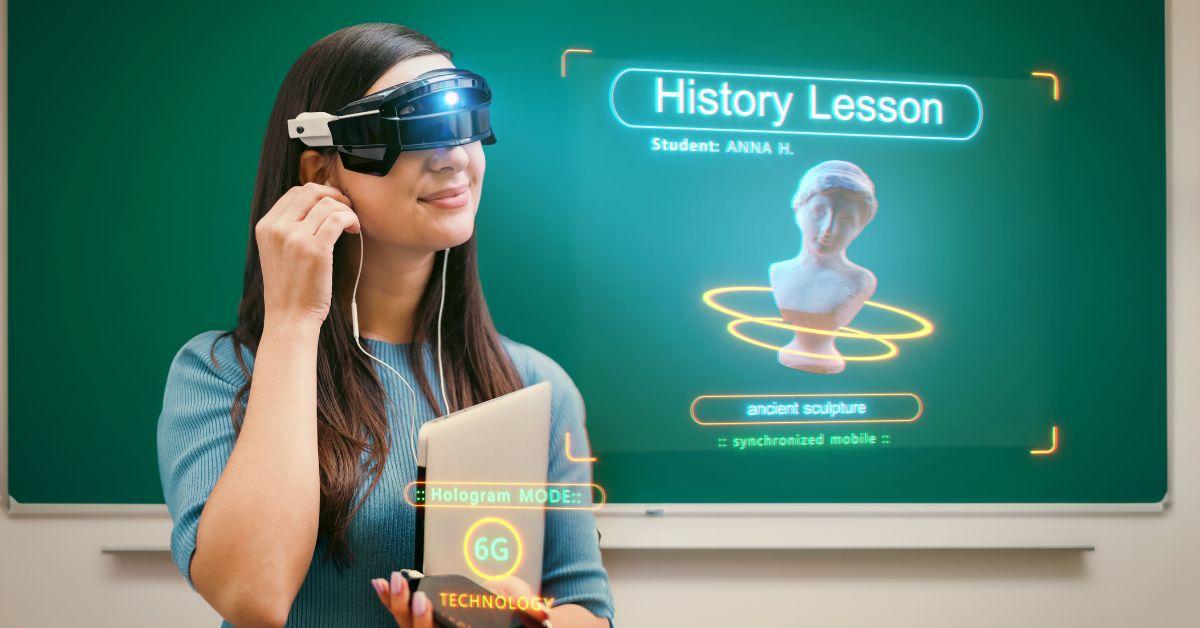
Top Cost-Effective VR Solutions for Schools: Affordable Virtual Reality for Education
unlock new educational possibilities with cost-effective VR for schools! Explore affordable virtual reality solutions that engage students and enhance learning outcomes.
Introduction: The Rise of Virtual Reality in Education
Virtual reality (VR) is revolutionizing classrooms across the globe, making abstract concepts tangible and immersive. As educators seek innovative ways to spark curiosity and facilitate deeper learning, cost-effective VR solutions for schools have become a focal point. Whether itS journeying through ancient civilizations, diving into molecular structures, or experiencing past events firsthand, affordable virtual reality for education is leveling the playing field for students from all backgrounds.
In this article, we’ll explore the best budget-friendly VR devices and platforms for K-12 and higher education, highlight their benefits, and provide practical tips for successful VR implementation. If you’re an educator, administrator, or tech coordinator searching for scalable, high-impact technology, read on!
Benefits of Affordable Virtual Reality for Education
- Enhanced Engagement: VR captivates students, transforming passive learning into interactive experiences.
- Improved Retention: Immersive simulations help students understand and remember complex subjects more effectively.
- Equity in learning: Affordable VR allows schools with limited budgets to access cutting-edge technology.
- Safe experimentation: VR environments let students safely explore science labs, historical settings, and more without risks.
- Adaptable Across Subjects: Use VR in science, history, art, languages, and even social-emotional learning.
Top cost-Effective VR Solutions for Schools in 2024
Selecting the right VR hardware and software is crucial to ensure a successful rollout. Here are the best affordable VR devices and platforms for education that offer robust features without straining the school’s budget:
1. Google Cardboard & Google Expeditions (Now Arloopa & ExpeditionsPro)
- Device Cost: As low as $5 per headset
- Key Features: Simple VR headset compatible with most smartphones; thousands of free immersive field trips via mobile apps.
- Perfect for: Quick classroom activities, introductory VR lessons.
2. Meta Quest 2 (formerly Oculus Quest 2)
- Device Cost: Starting at $299
- Key Features: Standalone wireless headset, intuitive controls, robust app library including educational platforms like Wander and ENGAGE.
- perfect for: Deep-dive simulations,STEAM learning,3D exploration for older students.
3. Merge EDU with Merge Cube
- Device Cost: Merge Cube (~$20 apiece) + smartphones or tablets already available in most schools
- Key Features: augmented and virtual reality; tactile cube merges with digital experiences for science, math, and geography.
- Perfect for: Hands-on AR/VR experiments in elementary/middle schools.
4. ClassVR by Avantis education
- device Cost: Bundles starting at $400/headset (discounts for class sets)
- Key Features: All-in-one classroom management, teacher resources, and hundreds of curriculum-linked experiences.
- Perfect for: Schools seeking structured VR programs with teacher support.
5. PICO 4
- Device Cost: Starting at $379
- Key Features: All-in-one VR headset with clear visuals and growing education-focused apps library.
- Perfect for: Modern classrooms prioritizing wireless, all-inclusive VR.
6. Free and Low-Cost VR Educational Apps
- VR Math – Explore geometry in 3D
- Unimersiv – Offers historical and scientific journeys
- Titans of Space – A solar system tour
Practical Tips: How to Implement Cost-Effective VR in Your School
- Start Small: Pilot with a few headsets or a single class to gauge interest and outcomes before expanding.
- Leverage Existing Devices: Use VR solutions compatible with the smartphones, tablets, or PCs already in your school.
- Collaborate With IT: Ensure your Wi-Fi and tech support can handle VR demands and maintenance.
- Choose Age-Appropriate Content: Opt for apps and VR experiences designed for your students’ grade levels.
- Train Teachers: Offer professional growth so educators use VR confidently and effectively.
- Apply for Grants: Manny foundations support EdTech and innovation—seek out VR funding opportunities.
case Studies: Affordable Virtual Reality Transforming Classrooms
Case Study 1: Merge Cube in Texas Elementary Schools
“As introducing Merge cubes, our students are more engaged in science. They’re exploring the solar system, building molecular models, and loving every second,” says Mrs. Garcia, Grade 5 teacher in Houston ISD. For under $25 per student, these AR/VR experiences have boosted both grades and enthusiasm for STEM.
Case Study 2: Google Cardboard in Rural India
With limited resources, teachers in rural India have used google Cardboard and donated smartphones for interactive geography and history lessons. students report greater understanding of concepts previously only seen in textbooks.
Case Study 3: Meta quest 2 in a UK Secondary School
King’s High School rolled out Meta Quest 2 headsets for biology and art. according to their IT coordinator, student interest skyrocketed, and teachers noted improved retention, especially for visual learners. The headset’s price point allowed the school to purchase multiple devices without surpassing their technology budget.
First-Hand Experience: A Teacher’s Perspective
“When we brought VR into the classroom, students who were usually disengaged suddenly became our most participatory learners. With Google Expeditions, we took them to the Grate Wall of China and under the ocean—all in a single day.For the first time, our lessons felt limitless.”
– Mrs. Thompson, 7th Grade Social Studies Teacher
FAQs About Cost-Effective VR in Schools
- Q: Is VR safe for kids in school environments?
-
Yes, when content is age-appropriate and guidelines are followed, VR is safe. Experts recommend limiting sessions to 15-20 minutes and supervising usage for younger students.
- Q: What if our school has a very limited tech budget?
-
Start with Google Cardboard or Merge Cube—both under $30 per student when leveraging smartphones many students already own. Seek grants or local business partnerships for additional funding.
- Q: Can VR be integrated into the existing curriculum?
-
Absolutely! Many educational VR apps align with Common Core, NGSS, and other standards. work with teachers to identify units where immersive visualization offers the greatest benefits.
Conclusion: Making Virtual Reality Accessible for Every Classroom
The future of education is immersive,interactive,and inclusive—and virtual reality is at the heart of this conversion. Thanks to a new generation of cost-effective VR solutions for schools, even those with modest budgets can empower students to explore, innovate, and achieve beyond traditional boundaries. By choosing the right affordable virtual reality tools, seeking grants, starting small, and training staff, you can bring the world—and even other worlds—into your classroom.
Ready to take the leap? Compare these VR solutions, involve your colleagues in the decision-making process, and watch as your students’ learning journeys become richer and more memorable than ever before.
Have questions or need more VR recommendations? Let us know in the comments below!