
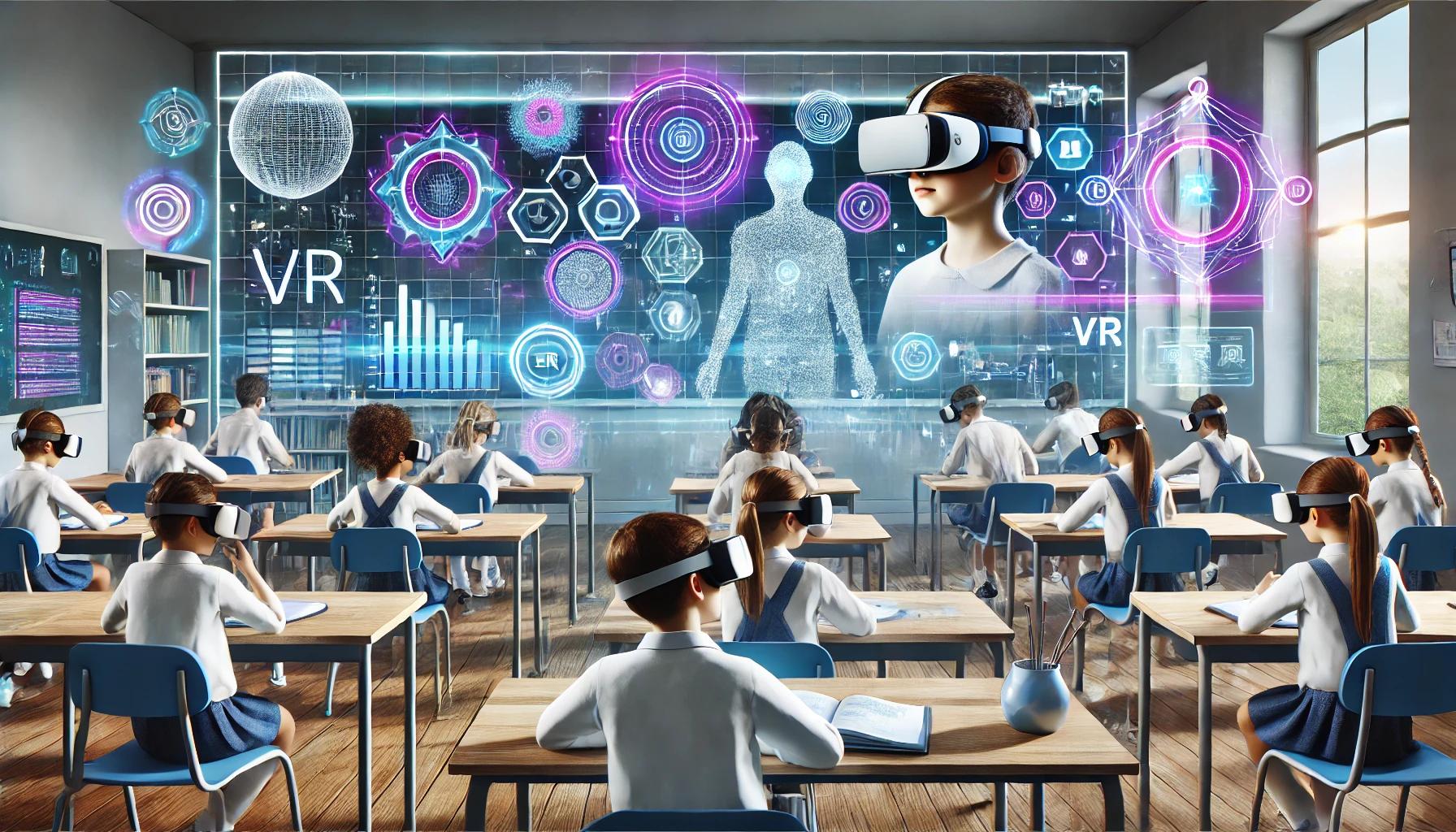
Top Cost-Effective VR solutions for Schools: Affordable Virtual Reality Tools for Classrooms
Discover the best affordable VR options available for educators and administrators aiming to enhance classroom learning experiences without breaking the budget.
Introduction: Why Virtual Reality Matters in Education
the rapid evolution of virtual reality (VR) technology is revolutionizing the way students learn by making lessons interactive, immersive, and highly engaging. Yet, many schools hesitate to adopt VR due to cost concerns. The good news is: more cost-effective VR solutions for schools have emerged, making it easier for educators to integrate VR into their classrooms without straining their budgets.
In this guide, we’ll explore affordable virtual reality tools specifically designed for educational purposes, discuss the key benefits for student learning, and share practical advice for triumphant VR adoption.
Benefits of Affordable Virtual Reality in the Classroom
- enhanced Engagement: Students are more attentive and involved in lessons when they can participate in interactive VR activities.
- Deeper Understanding: VR simulations allow students to explore scientific concepts, historical events, and complex systems first-hand.
- Accessibility: Cost-effective VR solutions open new learning opportunities to more schools, regardless of budgetary constraints.
- Collaboration and Creativity: VR tools foster teamwork and unleash creative problem solving through shared virtual experiences.
- Safe and Controlled Learning: From virtual science labs to historical reconstructions, students can explore safely in a controlled digital surroundings.
Top Cost-Effective VR Solutions for Schools
Here’s a curated list of the best affordable virtual reality tools for classrooms in 2024, each combining adaptability, ease of use, and budget-pleasant pricing.
1. Google Expeditions (Now Within Google Arts & culture VR)
- price: Free
- Hardware: Compatible with low-cost viewers like Google Cardboard ($10-20 each)
- Features:
- Access 900+ virtual field trips worldwide
- Simple smartphone integration
- Teacher-led tours and lesson plans
- Best For: Schools looking for ready-made, curriculum-aligned VR experiences without large upfront investment.
2. ClassVR by Avantis
- Price: Starting at around $250 per headset (educational discounts and bundles available)
- Features:
- Dedicated education platform and portal
- Centralized teacher controls and management
- Thousands of curriculum-aligned VR/AR resources
- Best For: Schools seeking a managed, all-in-one solution with robust classroom controls.
3. Oculus Quest 2 (Now Meta Quest 2)
- Price: Starting around $299 per device (bulk educational pricing may apply)
- Features:
- Wireless, standalone operation
- Wide app ecosystem (titans of Space, Engage, VR education apps)
- Supports educational and collaborative experiences
- Best For: High schools, STEM labs, and advanced students seeking more immersive standalone VR experiences.
4.Merge EDU—Merge Cube & Merge Headset
- Price:
- merge cube: around $20
- Merge Headset: Around $49.99
- Features:
- Physical “edtech toy” paired with AR/VR apps
- Hands-on 3D learning: anatomy, astronomy, engineering, and more
- Highly durable, classroom-ready design
- Best For: Elementary and middle schools seeking highly interactive VR/AR learning tools at a low cost.
5. Boddle Learning (VR Math Games)
- Price: Free for K-6 students (premium options available)
- Features:
- Math practice through gamified, immersive 3D environments
- Supports browser-based VR—compatible with low-cost headsets
- Performance analytics for teachers
- Best For: Elementary classrooms aiming to make math fun and interactive with minimal tech investment.
6. Oculus Go (Discontinued but still viable for budget-minded schools)
- Price: <$200 (secondhand or refurbished)
- Features:
- untethered VR with ease of use
- Large library of compatible educational apps
- Still supported by many educational platforms
- Best For: Schools with tight budgets seeking ready-to-use VR hardware for basic exploration.
Practical Tips for Implementing VR on a School Budget
- Start Small: Pilot VR in one grade or subject to gauge usage and student engagement before a full-scale rollout.
- leverage Smartphones: Use student- or school-provided smartphones with low-cost VR viewers to maximize technology already on hand.
- Apply for Grants: Seek education technology grants or partnerships with local businesses to offset VR hardware costs.
- Focus on Multipurpose Devices: select VR headsets or solutions compatible with AR, video playback, and conventional apps to maximize classroom utility.
- Provide Teacher Training: Offer support and professional advancement to ensure staff are confident in guiding students through virtual experiences.
Mini Case Studies: VR in Action
Lincoln Middle School, Ohio – “History in 360”
Using Google Arts & Culture VR and Google Cardboard, 7th grade social studies classes took virtual field trips to Ancient Rome and Civil Rights-era Alabama.Teachers reported a 40% increase in student recall and higher participation during post-experience discussions.
Evergreen elementary, California – Exploring Science with Merge Cube
Fourth graders examined the human circulatory system and volcanoes using Merge Cubes, with lessons integrated into STEM curriculum. Surveys showed students who used VR models were twice as likely to correctly label diagrams compared to peers using textbooks alone.
STEM Academy, Texas – classvr Empowers Special Needs Classrooms
Adopting ClassVR, educators created personalized VR journeys for students with special needs, fostering connections and building curiosity through tailored experiences. Teachers noted improvements in focus and peer interaction.
First-hand Experience: Teacher Perspectives on Affordable VR
“Integrating affordable VR like Merge Cubes has transformed the way I teach complex topics. My students are consistently more excited and engaged, and I love seeing them collaborate in ways I hadn’t expected.”
— Ms. Rodriguez, 5th Grade STEM Educator
“Starting with Google Expeditions was an easy win. The free resources and simple viewers got my reluctant teachers on board and helped us build a digital learning culture.”
— Mr. Kwon, District EdTech Coordinator
Conclusion: Making VR Accessible for Every Classroom
Embracing cost-effective VR solutions for schools is no longer out of reach. With new, affordable virtual reality tools, programs can unlock immersive learning across disciplines, actively engage students, and prepare them for the digital world.
Whether you’re piloting with Google Cardboard, scaling up with ClassVR, or exploring hands-on science with Merge Cube, these virtual reality technologies are ready to fit a variety of educational budgets and classroom goals.
Begin your school’s VR journey today — and watch your classroom truly come alive! For more expert advice and up-to-date reviews of VR solutions for education, subscribe to our newsletter.