
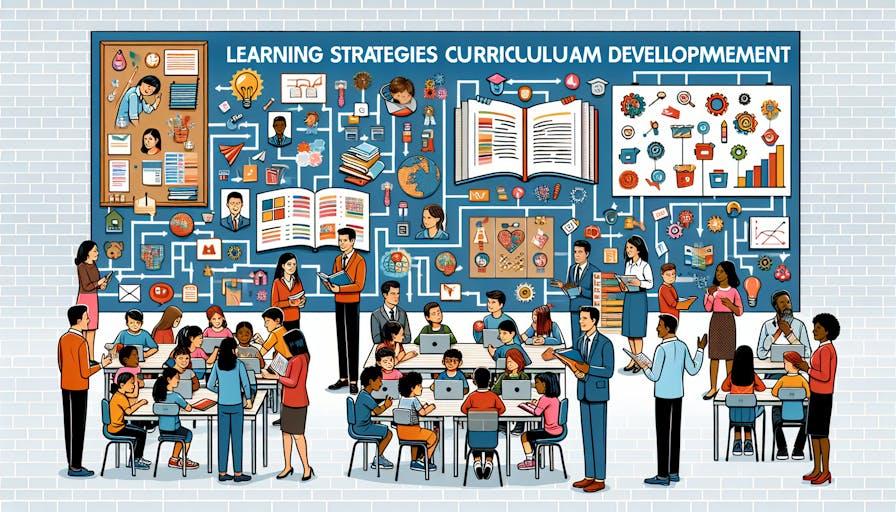
Top Curriculum Designer Tips: How to Create Engaging and Effective Learning Programs
Are you passionate about education technology and eager to contribute as a curriculum designer in universities, colleges, or schools? Whether you’re searching for a curriculum designer job or aiming to enhance your instructional design skills, mastering the art of creating engaging and effective learning programs is crucial for your success. In this extensive guide, we’ll explore top tips, practical strategies, and must-know techniques that every curriculum designer should leverage to make a real impact in the modern education sector.
Why Curriculum Design Matters in Education Technology
As digital transformation accelerates, universities, colleges, and schools are increasingly relying on innovative curriculum designers to bridge the gap between technology and learning. Effective curriculum design is essential for ensuring that learning programs are not only educationally sound but also adaptive, interactive, and relevant to today’s learners. Curriculum designers play a pivotal role in:
- Maximizing student engagement and retention
- Improving learning outcomes through personalized pathways
- Integrating technology tools to enhance the learning experience
- Supporting faculty with up-to-date, results-driven content
The Benefits of an Engaging and Effective Learning Program
Before diving into curriculum design tips, it’s significant to recognize the significant benefits of a well-crafted learning program. For educators and institutions, thes benefits include:
- Increased Student Motivation: Innovative instructional design grabs learners’ attention and encourages active participation.
- Improved Knowledge Retention: Interactive and well-structured courses help students absorb concepts more efficiently.
- Scalable Solutions: Thoughtful curriculum growth ensures materials can be adapted for online, blended, and in-person formats.
- Better Learning Outcomes: Clear goals and measurable objectives drive student success and achievement.
- Faculty Empowerment: Educators receive effective resources and clear frameworks, allowing them to focus on what they do best: teaching.
Top Curriculum designer Tips for Creating Engaging and Effective Learning Programs
1. Start with Learner-Centered Goals and Objectives
Every accomplished curriculum design project starts by identifying the knowledge, skills, and attitudes that learners need to develop. Use these steps to focus your process:
- Conduct Needs Analysis: Gather feedback from students, instructors, and stakeholders to determine learning gaps and interests.
- Define Clear Learning Outcomes: use Bloom’s Taxonomy or similar frameworks to articulate precise, measurable objectives.
- Personalize Learning Pathways: Accommodate diverse learning preferences and backgrounds to enhance inclusivity.
2.Integrate Technology Strategically
Education technology is transforming how curricula are delivered,accessed,and experienced. To stand out as a curriculum designer in edtech, consider:
- Use Learning management Systems (LMS): organize materials, track progress, and foster dialog among participants.
- Embed Multimedia Elements: Incorporate videos, podcasts, interactive quizzes, simulations, and gamification to boost engagement.
- Leverage Analytics: Use data to assess learner progress and refine your curriculum design based on real-world feedback.
3. Apply Instructional Design Principles
Instructional design models such as ADDIE (Analyse, Design, Develop, Implement, Evaluate) and SAM (Successive Approximation Model) are valuable guides. Key principles include:
- Chunk Facts: Break content into manageable segments to aid comprehension and retention.
- ensure Alignment: All activities and assessments should align with learning objectives.
- Enable Active Learning: Encourage problem-solving, critical thinking, discussions, and hands-on submission.
4. Design for Accessibility and Inclusivity
Modern curriculum designers must cater to a diverse audience. Ensure your learning programs are inclusive by:
- Providing alternative formats for materials (e.g., transcripts for videos, screen reader-compatible content)
- Using clear fonts, high-contrast visuals, and logical navigation
- Designing assessments flexible enough to accommodate learners with varying needs
5. Foster Collaboration and Social Learning
Social learning is a key trend in contemporary curriculum development. implement collaborative elements by:
- Facilitating online forums, group projects, and peer review opportunities
- Encouraging real-time communication via chat, video conferencing, or discussion boards
- Utilizing social media tools to extend the learning surroundings
6. create Authentic Assessments
Effective curriculum designers move beyond customary tests and quizzes. Consider authentic assessment strategies such as:
- Project-based assignments tied to real-world challenges
- Portfolios that document skill mastery over time
- Self and peer assessments to promote reflection and growth
7. Build in Continuous Feedback and Iteration
The most effective learning programs are never static. Prioritize:
- Collecting ongoing feedback from students and faculty
- Analyzing assessment data for improvement opportunities
- Iteratively updating and refining your curriculum to stay current with new technologies and pedagogies
8. Encourage lifelong Learning and Skills Development
The job market and workplace demands are constantly evolving. With a growth mindset, curriculum designers should:
- Incorporate 21st-century skills such as critical thinking, creativity, collaboration, and digital literacy
- Promote self-directed learning, empowering students to take ownership of their education
- Support professional development for faculty to keep them current with trends and innovations
Practical Tips to Enhance Your Curriculum Design process
- Stay Informed: Regularly attend webinars, workshops, and conferences to remain updated with the latest in education technology and curriculum design.
- Network with Peers: Join professional communities and online forums to exchange ideas and resources.
- Showcase Your Work: Build a portfolio to demonstrate your curriculum design projects and outcomes to future employers.
- gather Evidence of Impact: Collect testimonials, performance data, and case studies that highlight your effectiveness as a curriculum designer.
how to Stand Out When Applying for Curriculum Designer Jobs
As the demand for skilled curriculum designers rises, employers in universities, colleges, and schools are looking for candidates who can prove their expertise in education technology and instructional design. Here are a few ways to strengthen your job applications:
- Highlight EdTech Skills: Familiarize yourself with leading educational software, LMS platforms, and digital content authoring tools.
- Demonstrate Impact: Share quantifiable results from your previous curriculum projects, such as improved student engagement or learning outcomes.
- Obtain Relevant Certifications: Pursue certifications like Instructional Designer, eLearning Specialist, or similar professional credentials.
- Show Passion for Innovation: Employers value applicants who stay curious, experiment with new methodologies, and adapt to changing landscapes.
Conclusion: Transform Education with expert Curriculum Design
Being a successful curriculum designer in education technology means more than just developing lesson plans. It involves crafting learning experiences that inspire, empower, and drive meaningful results for today’s students and educators. By embracing these curriculum designer tips—focusing on learner-centered goals,integrating technology,applying instructional design principles,and fostering collaboration—you’ll stand out in your field and contribute to the future of teaching and learning.
If you’re exploring curriculum designer jobs at universities, colleges, or schools, mastering these skills and best practices will not only enhance your resume but also enable you to make a lasting difference in the ever-evolving world of education technology.