
Top Cybersecurity Strategies Every Educational Institution Needs in 2024
Introduction
In the digital era, educational institutions face growing cybersecurity threats ranging from ransomware attacks to data breaches and phishing scams. With the increased adoption of e-learning platforms, cloud services, and digital records, maintaining robust cybersecurity for schools and universities has never been more crucial. As we step into 2024, staying ahead of cybercriminals requires a dynamic and multi-layered approach. In this thorough guide, we’ll examine the top cybersecurity strategies every educational institution needs this year, ensuring safe and secure learning environments for students, faculty, and staff.
why Is Cybersecurity critical for Educational Institutions?
Schools and colleges store vast amounts of sensitive data, including student records, financial information, research data, and proprietary systems. A prosperous cyberattack can disrupt classes, compromise personal data, and incur significant financial and reputational losses. According to the FBI, attacks on the education sector have dramatically increased in recent years.
- Ransomware Attacks: Entire networks can be locked until a ransom is paid.
- data Breaches: Leaked information can lead to identity theft and privacy violations.
- Phishing Scams: Fake communications can trick staff or students into revealing credentials.
- Disrupted Operations: classes and online exams might potentially be delayed or canceled.
Top Cybersecurity Strategies for Schools & Universities in 2024
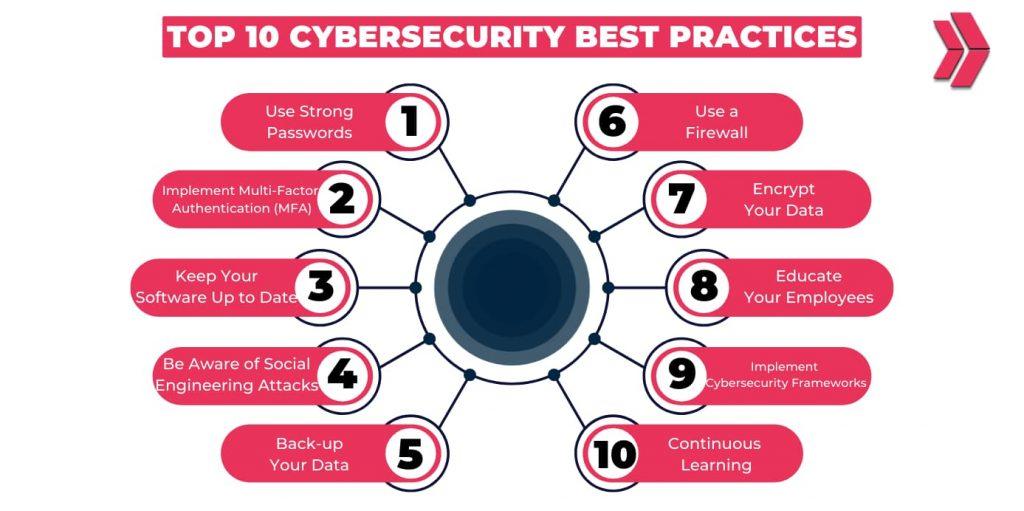
To protect against evolving threats, here are the must-implement cybersecurity best practices for educational institutions this year:
1.Implement Multi-Factor Authentication (MFA)
Passwords alone are no longer sufficient. MFA adds an additional layer of security by requiring users to provide multiple forms of identification before accessing systems. Common forms include:
- SMS or authenticator app codes
- Biometric scans (fingerprint or face recognition)
- Email verification links
By enforcing MFA on admin accounts, faculty portals, and student logins, schools can effectively reduce the risk of unauthorized access.
2. Conduct Regular Cybersecurity Awareness Training
Human error remains the top cause of security breaches. Regular cybersecurity training for staff, educators, and students is essential. Training should cover:
- Recognizing phishing emails and suspicious links
- Safe password creation and management
- Best practices for using public Wi-Fi and personal devices
- Steps to report incidents or suspected breaches
3. Keep software and systems Up-to-Date
Outdated operating systems, software, and plugins are common entry points for hackers. Educational IT administrators must:
- Enable automatic updates where possible
- Use patch management tools to distribute updates efficiently
- Regularly review all devices and applications for end-of-life or unsupported software
4. Deploy Network Segmentation
Segregating networks limits the spread of a breach. For example, the student Wi-Fi network should be separated from administrative systems. Benefits include:
- Isolating sensitive data from less secure segments
- Improving monitoring and response capabilities
- Meeting compliance requirements more easily
5.Backup Data Regularly & Test Restores
Regular data backups are the ultimate defense against ransomware. Make sure to:
- Automate backups to off-site or cloud storage
- Encrypt all backup files and limit access to authorized personnel
- Perform regular restoration drills to ensure backups work as intended
6. Adopt a Zero Trust Security Model
The Zero Trust approach assumes no user or device is trustworthy by default, whether inside or outside the network. Key features include:
- Strict identity verification for all users
- Least-privilege access management
- Continuous monitoring of user activities
7. Monitor & Respond with Advanced Security Tools
Employ 24/7 monitoring tools such as:
- Security Information and Event Management (SIEM) systems
- Intrusion Detection and Prevention Systems (IDPS)
- Automated response solutions for identified threats
These tools help detect threats in real-time and enable IT teams to take swift remedial actions.
“Cyberattacks against educational institutions are not a question of ‘if’,but ‘when’. Proactive strategies significantly cut risks and recovery time.” – Cybersecurity Expert, 2024
benefits of Implementing Strong Cybersecurity in Education
Effective cybersecurity strategies offer a wealth of advantages to schools, colleges, and universities:
- Minimized Data Loss: Protects critical student and staff information from theft or deletion.
- Continuity of Operations: prevents disruptions to teaching and administrative functions.
- Regulatory Compliance: Helps meet legal obligations under FERPA, GDPR, or other data protection regulations.
- Enhanced Reputation: Demonstrates to parents, students, and stakeholders that their data is safe.
- Reduced Recovery Costs: Limits financial losses due to breaches or ransomware attacks.
Practical Tips for Building a cyber-Resilient Campus
Here are actionable steps IT teams and administrators can take today to strengthen campus cybersecurity:
- Establish a dedicated cybersecurity team or point person.
- Regularly review and update all IT policies and procedures.
- Maintain an incident response plan and conduct annual drills.
- Limit physical access to servers and networking equipment.
- Require strong, unique passwords for every account and encourage password managers.
- Promote a security-first campus culture through awareness posters and emails.
Real-World Case Study: Responding to a Ransomware Attack
In March 2023,a mid-sized community college faced a ransomware attack that encrypted vital student records and financial data. The attackers demanded a significant sum to unlock the files. Thanks to prior preparations:
- The IT team quickly isolated affected systems using network segmentation.
- Restored operations within 48 hours using recent, tested backups.
- Notified stakeholders promptly and worked with law enforcement.
- No ransom was paid, and sensitive data loss was prevented.
This example underscores the power of proactive cybersecurity strategies and incident response planning for educational institutions.
Frequently Asked Questions
| Question | Answer |
|---|---|
| What is the moast common cybersecurity threat to schools? | Phishing and ransomware attacks are currently the most common and damaging threats. |
| How frequently enough should cybersecurity training be carried out? | At least annually, but more frequent refreshers are recommended as threats evolve. |
| Do small schools need robust cybersecurity? | Yes, attackers often target smaller institutions hoping for less refined defenses. |
| What regulations must schools follow for data protection? | Commonly FERPA (US), GDPR (EU), and state/local data privacy laws. |
Conclusion
cybersecurity in education isn’t just an IT issue—it’s a basic part of ensuring safe, effective learning environments in 2024 and beyond. By taking a holistic approach utilizing the top cybersecurity strategies outlined above, educational institutions of all sizes can defend against cyber threats, comply with regulations, and build trust in their communities. the stakes are high, but so are the benefits. take action today to secure your campus and empower your learners for a safer digital future.
Looking for more resources? Stay tuned to our blog for the latest in educational cybersecurity trends,tools,and case studies.