
Top devops Engineer Skills for modern Education systems: Essential Guide
Are you looking to land a rewarding role as a DevOps Engineer in a university, college, or school setting? The intersection of education technology and DevOps is transforming how institutions deliver resources, manage data, and support digital learning. In this essential guide,we’ll explore the most valuable DevOps Engineer skills for modern education systems,explain why they matter,and provide practical advice for job seekers who want to secure a role making a real impact in academia.
Introduction: The Role of DevOps Engineers in education Technology
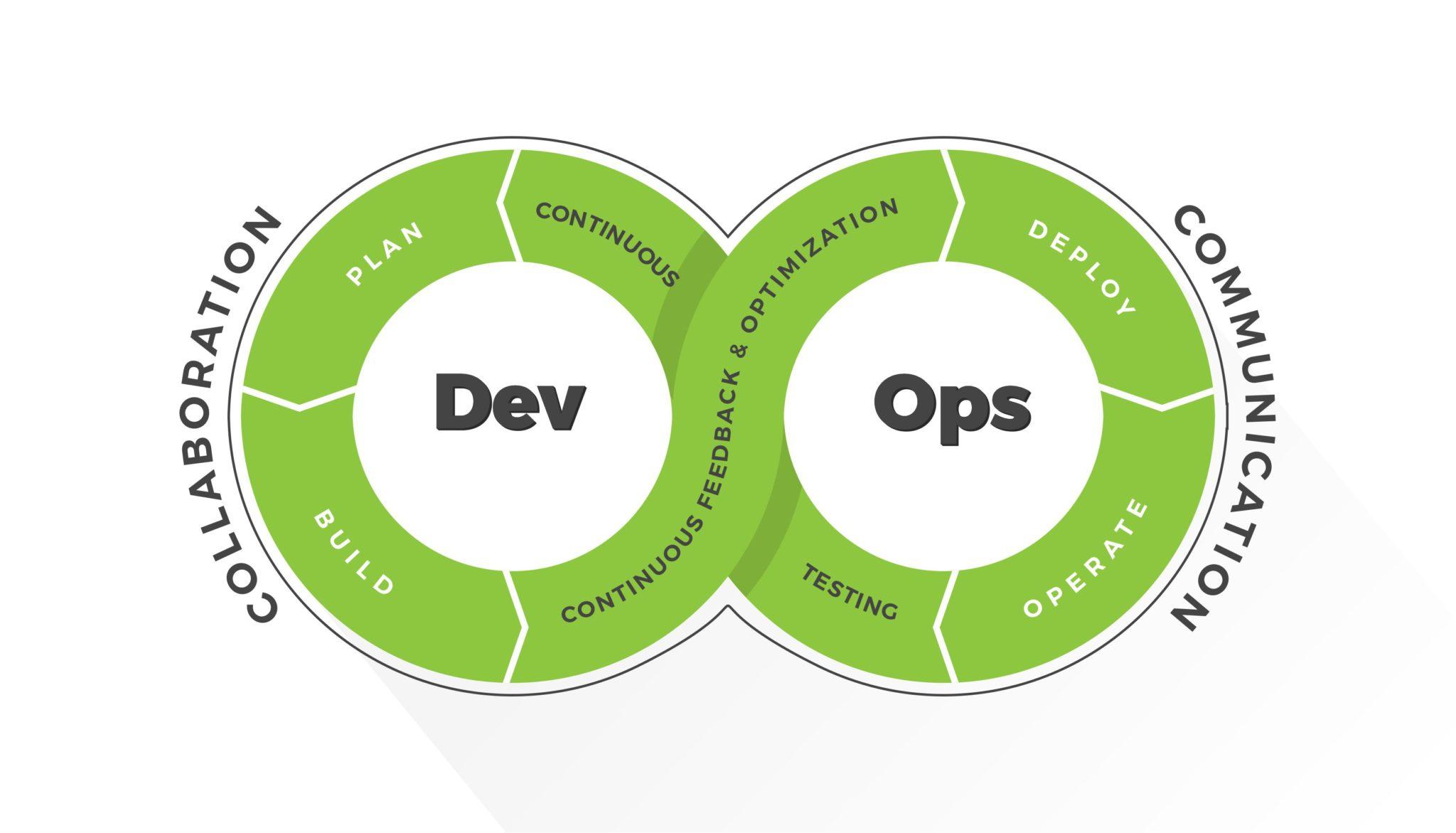
As the digital change accelerates across schools and universities, DevOps Engineers are fast becoming indispensable in education technology teams. They bridge the gap between software advancement and IT operations,ensuring robust,scalable,and secure systems that power online learning,virtual classrooms,resource management,and collaboration platforms.
In educational institutions, the demands are unique: uptime is paramount, privacy is non-negotiable, and agile delivery of new features supports student and faculty success. Whether you’re an aspiring DevOps professional or a seasoned engineer aiming to pivot into education tech, mastering the most sought-after devops Engineer skills will make you highly competitive in this fast-growing sector.
Core DevOps Engineer skills for Universities,Colleges,and Schools
Below are the foundational competencies every education-focused DevOps Engineer should cultivate to thrive in academic environments:
1. Cloud Infrastructure Management
- Experience with AWS, Azure, or Google Cloud: Most universities and schools rely on cloud platforms for scalability, flexibility, and cost efficiency. Proficiency in provisioning, managing, and optimizing cloud services is crucial.
- Education Technology Emphasis: Understanding how cloud offerings meet compliance and educational data privacy standards, such as FERPA or GDPR.
2. Automation and Configuration Management
- Tools Mastery: familiarity with automation tools like Ansible, puppet, Chef, or Terraform is essential for streamlining deployments, patching, and infrastructure changes.
- benefits: automation reduces downtime and allows rapid rollout of digital learning tools, giving faculty and students reliable access.
3. Continuous Integration & Continuous Deployment (CI/CD)
- Competence with Jenkins, GitLab CI, or GitHub Actions: Setting up and maintaining CI/CD pipelines speeds up the delivery of new features and bug fixes for educational platforms.
- Quality Assurance: Automated testing ensures stability and minimizes disruptions during critical school periods like exams.
4. Containerization and Orchestration
- Docker and kubernetes Skills: Containerization provides modular and portable environments for education apps, making maintainance and scaling much easier.
- Microservices Architecture: Knowlege of designing and managing microservices fits modern education systems’ need for agility.
5. Security and Compliance
- Data Protection: Educational institutions handle sensitive student and employee data. DevOps Engineers should be proficient in implementing identity management, encryption, and secure access controls.
- Risk Management: Staying up-to-date with security best practices and compliance requirements specific to the education sector is vital to protect personal data and institutional reputation.
6. Monitoring, Logging, and Incident Response
- Real-time System Monitoring: Familiarity with tools like Prometheus, Grafana, or ELK Stack helps quickly identify issues and maintain high availability for online learning services.
- Incident Management: Developing effective procedures for responding to outages and cyber threats ensures minimal disruption to educational processes.
7.Collaboration and Communication
- Cross-functional Teamwork: working seamlessly with teachers,administrators,software developers,and support staff is key to delivering solutions tailored to academic needs.
- Documentation: clear documentation empowers non-technical users and improves knowledge transfer within education technology teams.
Advanced Skills and Knowledge for Education DevOps Roles
Beyond the core competencies, advanced skills can set you apart in university and school environments:
- EdTech Platform Integration: integrating and customizing tools such as Learning Management systems (LMS), Student Information Systems (SIS), and video conferencing solutions.
- Infrastructure as Code (IaC): Applying IaC principles for deploying consistent infrastructure—crucial for rapidly scaling remote learning solutions.
- API Management: Ensuring secure and reliable data exchange between various education apps.
- Disaster Recovery planning: Developing backup and recovery strategies to safeguard educational continuity.
Benefits of Hiring DevOps Engineers for Education Institutions
Harnessing the expertise of DevOps Engineers yields a host of benefits for schools, colleges, and universities:
- Enhanced system Reliability: Proactive monitoring and automated deployments minimize downtime and disruptions.
- Agile Delivery: Accelerated development cycles mean educational platforms and features reach users faster.
- Improved security: DevOps best practices protect sensitive information, ensuring compliance and trust.
- Cost Efficiency: Automation and cloud strategies optimize resource usage and operational spending.
- Scalability: Seamless scaling accommodates fluctuating student loads during peak times.
- Collaboration: Facilitates closer alignment between IT and academic departments, leading to innovative solutions for teaching and learning.
Practical Tips for Aspiring DevOps Engineers in Education Technology
Ready to pursue a DevOps Engineer position in a school,college,or university? These practical steps will help you stand out:
- Build a Portfolio: Demonstrate experience with deploying,securing,and managing cloud environments relevant to education settings.
- Earn Certifications: Industry-recognized cloud and DevOps certifications attest to your skills (such as AWS certified DevOps Engineer, Google Professional DevOps Engineer, or kubernetes certifications).
- Showcase EdTech Experience: Participate in open-source education projects or contribute to platforms used by schools or universities.
- Stay Updated: Follow education technology trends and compliance regulations affecting academic IT.
- Highlight Problem-Solving: Include examples of how you’ve resolved incidents, improved deployments, or optimized costs in previous roles.
- Demonstrate Communication: Employers value engineers who can effectively articulate technical concepts to non-technical audiences.
- Network: Connect with campus technology professionals via conferences, online forums, and local meetups. Knowledge sharing helps you learn the nuances of academic IT systems.
Key Takeaways for Job Seekers
- understanding the specific needs of schools, colleges, and universities is vital for DevOps success in educational environments.
- Technical expertise must be complemented by strong collaboration, documentation, and communication skills.
- Staying proactive about education technology trends and compliance keeps you ahead of the curve.
Conclusion: Shape the future of Learning with DevOps Expertise
Education systems are increasingly reliant on robust digital infrastructure, making the DevOps Engineer role more crucial than ever before. By developing a mix of technical, compliance, and interpersonal skills, you’ll not only improve your hireability at universities, colleges, and schools, but also contribute meaningfully to innovative learning environments.The path to a fulfilling DevOps career in education technology starts with mastering the essentials outlined in this guide—so take the next step, sharpen your skills, and make your impact on the future of learning today.