
Top Ethical Considerations of AI in Education: What Educators and Institutions Need to Know
Artificial Intelligence (AI) is rapidly transforming education, offering personalized learning experiences, efficient grading systems, and better support for both students and teachers. however,along wiht its many benefits,AI in education also raises significant ethical concerns that educators and institutions cannot afford to overlook. Understanding the top ethical considerations of AI in education is essential for ensuring responsible implementation, protecting students, and maintaining trust in educational systems. In this thorough guide, we’ll explore the key ethical concerns, provide practical tips for educators, and discuss best practices for integrating AI technology ethically in classrooms and beyond.
Benefits of AI in Education
- Personalized Learning: AI enables personalized learning paths that adapt to individual student needs and learning paces.
- Administrative Efficiency: Automated grading, scheduling, and administrative tasks free up valuable teacher time.
- Enhanced Accessibility: AI-powered tools can support students with disabilities, making education more inclusive.
- Data-Driven Insights: AI can analyze large datasets to provide actionable insights for educators, improving learning outcomes.
While these advantages are significant, leveraging AI in education responsibly requires mindfulness of its broader impacts and risks.
Top Ethical Considerations of AI in Education
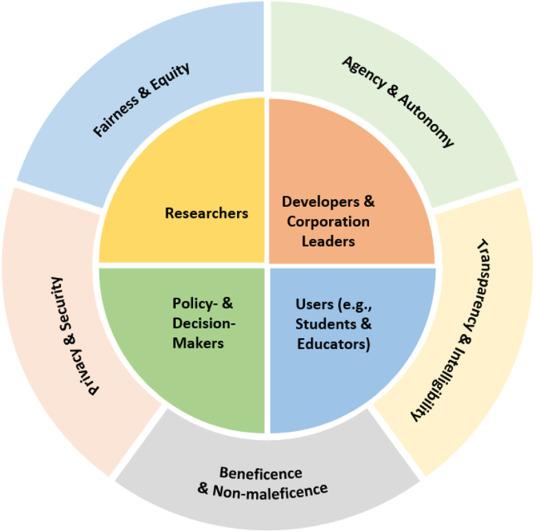
1. Data Privacy and Security
One of the foremost concerns is the management of vast amounts of student data. AI systems require data to function optimally, but sensitive data needs to be protected from misuse or breaches.
- Student Consent: Are students and parents fully informed about what data is collected and how it will be used?
- Data Storage: Is the student data stored securely, and who has access?
- Compliance: Educational institutions need to comply with GDPR, FERPA, and other privacy laws.
Practical tip: Always use secure, encrypted platforms and obtain explicit consent for data collection and usage.
2. Algorithmic Bias and Fairness
AI systems can unintentionally perpetuate or even amplify existing biases in educational materials or assessments. Algorithmic bias can lead to unfair grading, learning recommendations, or even disciplinary actions.
- Biased Training Data: AI models trained on non-diverse datasets may disadvantage certain student groups.
- Lack of Transparency: Difficulty in understanding how AI arrives at decisions can make it hard to identify biases.
Practical tip: Regularly review and audit AI systems for fairness and inclusivity, involving diverse stakeholders in the process.
3. Transparency and Accountability
Educators and students must understand how AI makes decisions, especially in high-stakes settings such as admissions, grading, or student interventions.
- Explainability: Can stakeholders understand and challenge AI decisions?
- Responsibility: Who is accountable when AI makes a mistake?
Practical tip: Choose AI solutions that offer clear explanations for outputs and ensure there is a human-in-the-loop for critical decisions.
4. Student Autonomy and Agency
As AI systems recommend learning paths or even automate grading, there is a risk of eroding student autonomy and creativity.
- Over-Reliance: Excessive dependence on AI may limit students’ opportunities to take initiative or think critically.
- customized vs. Constrained: Personalized recommendations should empower,not restrict,learning choices.
Practical tip: Foster a balance between technology-driven guidance and human mentorship, encouraging students to reflect and make informed choices.
5. Equity and Access
AI in education has the potential to widen or close educational gaps, depending on its implementation.
- Digital Divide: Not all students or schools have equal access to AI-powered educational technologies.
- Resource Disparities: Wealthier institutions may benefit disproportionately from AI innovations.
Practical tip: Advocate for equitable distribution of AI resources and proactively address digital accessibility barriers.
Case Studies: Ethical Challenges in the Real World
Case Study 1: Algorithmic Grading Bias
In 2020, an AI-based grading tool used for student assessments in several countries faced backlash due to perceived unfairness and biases. Students from underprivileged backgrounds received disproportionately low scores, prompting a national debate on the ethical limits of automated grading. This highlighted the need for thorough testing and human oversight in AI-based evaluations.
Case Study 2: Data privacy in Personalized Learning Platforms
An American school district implemented a personalized learning system powered by AI. Later, a data breach compromised thousands of student records, including grades and behavioral data. This incident stressed the need for robust cybersecurity measures and clear data collection policies in AI-driven education platforms.
Best Practices and Practical Tips for Ethical AI Adoption
- Conduct Regular Ethics Training: Update staff and educators on AI ethics, emerging risks, and mitigation strategies.
- Build Transparent Policies: Clearly communicate how AI systems work, what data is collected, and its intended use.
- Engage Stakeholders: Involve students, parents, educators, and technical experts in decision-making regarding AI investments.
- Audit and Review: Frequently audit AI systems for performance, accuracy, and unintended consequences.
- Human Oversight: maintain a human-in-the-loop approach, especially for high-impact educational decisions.
Empowering Educators: First-Hand Experiences
Educators on the front lines of AI integration share a common sentiment: “AI is a powerful supplement, not a replacement.” Teachers who use AI-driven platforms to differentiate instruction report more engaged students, but those same educators stress the value of irreplaceable human judgment and personal relationships in the classroom.
“While AI helps identify learning gaps faster than before, it’s my role as a teacher to personalize encouragement and adapt to emotions or social challenges that AI simply can’t detect.” – Sarah Lopez, High School Teacher
Key Takeaways and conclusion
AI is set to revolutionize education, but its success depends on how thoughtfully we address the ethical considerations of AI in education. Recognizing the importance of data privacy, fairness, transparency, student agency, and equitable access is critical for educators, administrators, and policymakers. By adopting best practices and maintaining a learner-first mindset,educational institutions can harness the transformative power of AI while safeguarding student rights and trust.
If you’re considering integrating AI in your educational environment, remember:
- Prioritize student safety, privacy, and dignity above all.
- Embrace transparency and invite ongoing dialog about AI’s role in education.
- Recognise that ethical AI deployment is a shared responsibility among educators, technology providers, parents, and policymakers.
Together, we can ensure that the future of AI in education is not just innovative, but also ethical, inclusive, and empowering for all learners.