
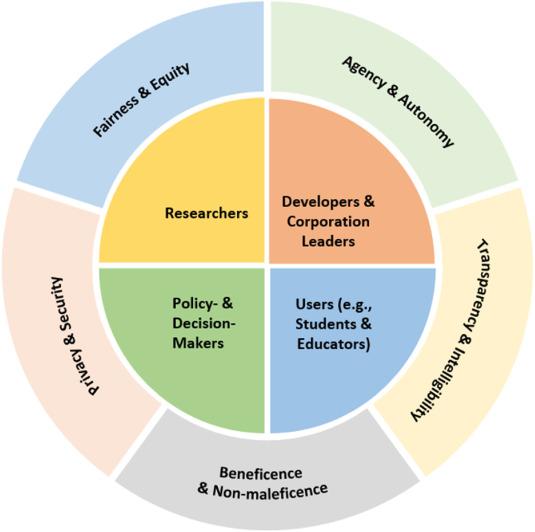
Top Ethical considerations of AI in Education: What Educators and Schools Must Know
Artificial Intelligence (AI) is transforming the landscape of education, automating processes, providing personalized learning, and assisting educators in new and exciting ways. However, as AI becomes more embedded in classrooms, schools, and learning platforms, understanding the ethical considerations of AI in education is paramount. Ensuring responsible AI adoption safeguards student rights, promotes fairness, and creates a more trustworthy technological environment.
Introduction to AI in Education
AI technologies—ranging from smart tutors to adaptive learning programs and automated grading systems—are redefining how knowledge is delivered and consumed. With these benefits come critical questions: How is student data used? Is AI amplifying biases? Are educators being sufficiently trained? This article explores the key ethical considerations for AI in education and offers practical insights for educators and schools aiming to harness AI responsibly.
why Ethical AI Matters in Schools
AI can drive personalized education, identify learning gaps, and improve administrative efficiency. Though,without robust ethical frameworks,AI-driven tools risk violating privacy,perpetuating discrimination,and eroding trust. By proactively addressing the ethical challenges of AI in education, schools can ensure safe, equitable, and effective learning environments.
The Top Ethical Considerations of AI in Education
1. Data Privacy and Security
AI systems frequently enough require access to large amounts of student data to function effectively. This brings forth critical concerns:
- Student Data Protection: Ensuring that sensitive details (grades,learning disabilities,behavioral data) is stored and processed securely.
- Consent and Openness: Making sure that students and parents know exactly how data is collected, used, and shared.
- Compliance with Laws: Adhering to regulations like FERPA,GDPR,and other local privacy standards.
2. Algorithmic Bias and Fairness
AI models may inadvertently reflect and amplify biases present in training data, leading to unfair outcomes such as:
- Discrimination: Marginalized groups may receive less favorable recommendations or evaluations.
- Unequal Access: Students with limited digital resources or from minority backgrounds might be underrepresented in datasets.
Schools must regularly audit AI tools for fairness, actively seeking to mitigate hidden biases and ensure inclusivity.
3. Accountability and Transparency
Who is responsible if AI makes a mistake? Educators and administrators must ensure that accountability structures are in place:
- Explainable AI: Schools should only use AI systems that provide explanations for their decisions and recommendations.
- Human-in-the-Loop: AI decisions, especially those influencing grades or disciplinary actions, should always be reviewed by real educators.
- Clear Reporting Lines: Establish procedures for reporting, reviewing, and correcting AI-related errors or complaints.
4.Student Autonomy and Empowerment
While AI can suggest personalized paths, there’s a risk of reducing student agency:
- Over-Automatization: Students should not be made overly dependent on AI; fostering critical thinking and self-direction is vital.
- Informed Choice: Learners and parents should have control over whether and how thay engage with AI-driven educational tools.
5. Accessibility and Equity
AI has the potential to bridge educational divides, but also to deepen them:
- Digital Divide: Not all students have equal access to devices, internet, or tech support required for AI-powered learning.
- Inclusive Design: AI solutions should be accessible to learners with disabilities or those from non-mainstream linguistic or cultural backgrounds.
Benefits of Ethical AI Adoption in Education
When ethical considerations are placed at the heart of AI implementation, schools and students benefit greatly:
- Trustworthy Learning Environments: Students and parents are more likely to engage with AI when they feel their rights are respected.
- Personalized Support: Responsibly used AI can help identify learning needs and close achievement gaps.
- Improved Educational Outcomes: Ethical,unbiased AI ensures fair assessment and feedback,driving genuine growth.
- Legal and Reputational Safeguards: Adhering to ethical standards helps schools avoid legal pitfalls and maintain their public image.
Practical Tips for Educators and Schools
- Conduct Impact Assessments: Before deploying new AI tools, evaluate potential ethical risks and impacts on students.
- Prioritize Vendor Transparency: Partner only with AI solution providers who clearly articulate their data practices and model fairness safeguards.
- train Staff and Students: Offer professional growth on AI literacy, data privacy, and ethical technology use.
- Enable Opt-Out Options: Allow families/students to opt out of AI-driven initiatives without penalty or stigma.
- Foster Open Dialogue: Hold regular discussions with parents, students, and teachers on AI challenges and solutions.
- Monitor and Evaluate: Continuously review AI tools’ real-world performance,with a focus on unintended negative consequences.
Case Study: ethical AI in Action
“In 2023, a mid-size public school district in the US rolled out an AI-powered reading app. By partnering with privacy advocates and adopting transparent data governance practices, the school gained parental trust. Regular bias audits helped identify and amend issues where certain reading levels were inaccurately flagged for ELL students. The district appointed an AI Ethics Officer, ensuring accountability and ongoing dialogue. The result was a sharp improvement in student reading scores and high satisfaction among diverse learners and families.”
First-Hand Experience: Educator’s Outlook
As a high school teacher piloting AI-driven grading software, I witnessed both the promise and the pitfalls of classroom AI. On the one hand, the tool drastically reduced my workload and individualized feedback for diverse learners. On the other, I noticed that essays from non-native speakers frequently received lower scores due to linguistic biases. I raised these issues with the vendor, leading to regular bias checks and refinements. My experience reinforced the importance of human oversight and ongoing interaction when integrating AI in daily teaching practice.
Conclusion: Embracing Responsible AI in Education
The future of learning is inevitably intertwined with AI. by proactively addressing the ethical considerations of AI in education, educators, administrators, and policymakers can harness the full benefits of intelligent technologies while protecting student rights and equity. Responsible AI implementation isn’t merely a technical challenge—it’s a shared educational commitment.
As your school or classroom explores AI solutions, let ethical principles be your guide. Invest in transparency, fairness, student empowerment, and inclusive design. With thoughtful adoption, AI can be a powerful force for transforming education—responsibly and for all.
Keywords: ethical considerations of AI in education, responsible AI in schools, AI data privacy, AI bias in education, AI and student equity, AI transparency in learning, best practices for AI in education