
Top Ethical Considerations of AI in Education: What Educators Need to Know
As artificial intelligence (AI) continues to revolutionize classrooms and educational platforms worldwide, educators find themselves navigating new technological landscapes brimming with both promise and complexity. From personalized learning paths to efficient grading systems,AI in education is unlocking unprecedented opportunities. Though, the rise of AI-driven solutions brings forth critically important ethical considerations that every educator must recognize and address.
In this thorough guide, we’ll delve into the top ethical considerations of AI in education, explore real-world examples, discuss key benefits, and offer actionable tips to foster responsible use. Whether you’re a teacher, school administrator, or policymaker, understanding these ethical implications is essential for creating trustworthy and inclusive learning environments.
why Ethics in AI for Education Matters
AI-powered education technology promises tailored instruction and data-driven decisions—but with that power comes responsibility. Ensuring ethical AI usage is crucial for protecting student rights, maintaining trust, and harnessing positive outcomes for learners of all backgrounds.
Main Ethical Considerations of AI in Education
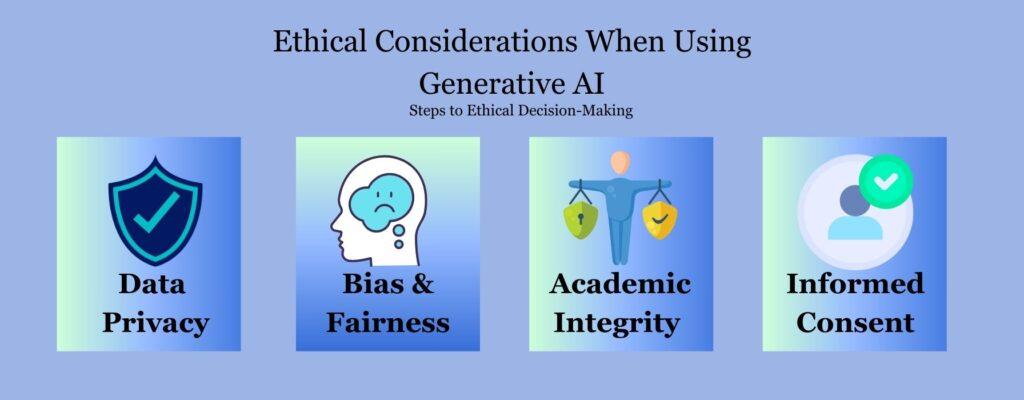
1. Student Data Privacy and Security
- Data Collection & Storage: AI tools frequently enough rely on vast amounts of student data (performance records, learning preferences, demographic data).
- Risks: Unsecured or excessive data collection can expose students to privacy breaches and misuse.
- Best Practice: Follow strict data privacy policies (GDPR, FERPA), minimize data collection, and ensure encrypted, secure storage.
2. Algorithmic Bias and Fairness
- AI Bias: Algorithms may unintentionally perpetuate biases present in their training data, leading to unfair or inaccurate assessments.
- real-Life Concern: Minority or marginalized students could face disadvantageous recommendations or stereotypes.
- Best Practice: Regularly audit algorithms for bias, diversify data sources, and prioritize explainable AI models.
3. Openness and Explainability
- Opaque Processes: Black-box AI models make it arduous for educators and students to understand decision logic.
- impact: Lack of transparency erodes trust and can hinder appeals or corrections in grading and recommendations.
- Best Practice: Opt for AI solutions with transparent, interpretable algorithms, and provide clear explanations for automated decisions.
4. Autonomy, consent, and Student Voice
- Lack of Input: Students and parents may not always be aware AI is being used or have a say in its implementation.
- Potential Issue: Undermining learner autonomy and informed consent.
- best Practice: Clearly communicate AI usage, obtain parental and student consent, and involve all stakeholders in policy-making.
5. equity and Accessibility
- Digital Divide: Not all learners have equal access to AI-powered tech or broadband internet, perhaps widening existing educational gaps.
- Global Design: AI tools should be accessible to learners with disabilities.
- Best Practice: Select inclusive platforms and provide alternative accommodations for those without access.
6. Teacher Roles and Human Oversight
- AI as a Tool, Not a Replacement: Overreliance on automated systems can devalue teacher expertise and human relationships.
- Best Practice: Use AI to enhance—not replace—educators, and maintain strong human oversight over critical decisions.
Case Studies: AI Ethics in Action
Examining real-world scenarios can help educators anticipate and navigate ethical challenges:
- case Study 1: Automated Essay Scoring Controversy
Some schools piloted AI-based essay graders. However, teachers and students reported inaccuracies, especially for non-native English speakers, due to poorly trained models reflecting linguistic bias. The district responded by temporarily halting AI grading and retraining the model on a more diverse dataset.
- Case Study 2: Predictive Analytics in Student Retention
A university implemented predictive AI to flag students at risk of dropping out. Concerns arose regarding privacy and stigmatization. After student feedback, the tool was revised to increase transparency and provide students with clear opt-out options.
- case Study 3: Adaptive Learning for Accessibility
An elementary school introduced an AI-driven reading platform that included text-to-speech and dyslexia support,demonstrating how responsible AI can improve equity for students with disabilities.
Benefits of Ethical AI in Education
When implemented responsibly, AI offers remarkable benefits:
- Personalized learning experiences tailored to each student’s needs and pace.
- Efficient administrative workflows,freeing teachers for more impactful interactions.
- Enhanced accessibility for learners with different abilities.
- Data-driven insights leading to improved instructional strategies.
- Scalable interventions for dropout prevention, thanks to predictive analytics.
Practical tips for educators: Ensuring Responsible AI Use
- Stay Informed: Regularly update your knowledge on AI ethics and emerging regulations in education technology.
- Vet EdTech Vendors: Choose AI education platforms with transparent policies, robust security standards, and proven bias mitigation practices.
- Promote Digital Literacy: Teach students about AI,data privacy,and responsible digital citizenship.
- Engage Stakeholders: Involve parents, students, and the broader community in AI policy advancement and review.
- Advocate for Oversight: Support school or district AI ethics committees to monitor implementation and handle grievances.
- Pilot and Review: Start with small-scale pilots, collect feedback, and refine approaches before scaling up.
- Maintain Human Judgment: ensure teachers always have the final say on high-stakes decisions affecting student outcomes.
First-Hand Educator experience with AI Ethics
“When my school introduced an AI-driven recommendation engine for student learning paths, we immediately noticed that some students weren’t receiving assignments aligned with their interests or abilities. By collaborating with the developers, reviewing the training data, and increasing transparency, we made sure the tool adapted better to our diverse classrooms.It takes a proactive approach to keep AI fair, effective, and aligned with our educational mission.”
— Sarah L., High School Educator
Conclusion: Building a Responsible Future for AI in Education
AI is reshaping education for the better—but with great technological power comes great ethical responsibility. By understanding the top ethical considerations of AI in education and implementing best practices, educators can harness the transformative potential of AI while ensuring student well-being, trust, and equity remain at the heart of our schools.
Remember: thoughtful, transparent, and inclusive AI implementation isn’t just about compliance—it’s about creating a learning surroundings where every student can thrive. Stay informed, stay vigilant, and help shape a future where ethical AI empowers educators and learners alike.
keywords: ethical AI in education, AI in classrooms, AI education privacy, algorithmic bias in education, AI transparency, responsible AI use, education technology ethics