
Top Future directions for SEL in Schools: Emerging Trends & Strategies for Success
Social-Emotional Learning (SEL) has become an essential pillar of modern education, shaping not just academic outcomes but overall student wellbeing. With the rapidly evolving demands of the 21st century, it is crucial to explore the future directions for SEL in schools. In this comprehensive guide, we delve into emerging trends, evidence-based strategies, and practical advice for implementing high-impact SEL programs that empower students for lifetime success.
Why SEL Matters Now More Than Ever
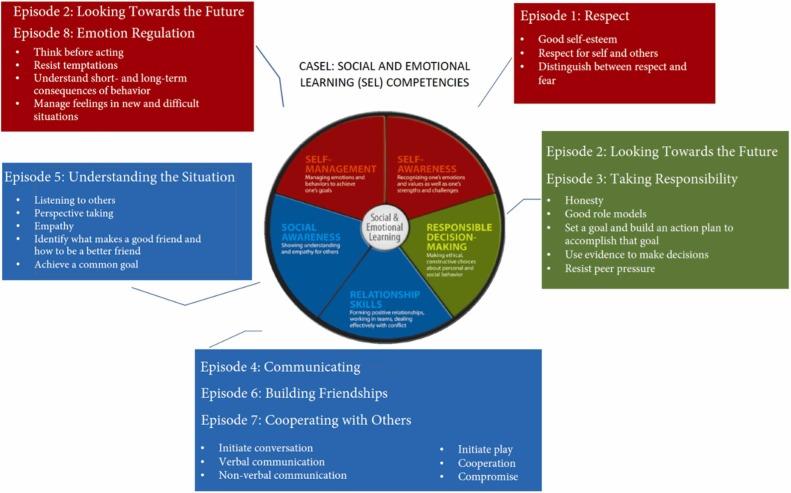
SEL, or social-emotional learning, equips students with critical skills such as self-awareness, emotional regulation, empathy, and responsible decision-making. extensive research shows that effective SEL:
- Boosts academic performance
- Improves classroom behaviour and climate
- Reduces risky behaviors and emotional distress
- Promotes long-term mental health and life success
As school communities navigate unprecedented challenges—from technology shifts to post-pandemic recovery—the integration of future-ready SEL frameworks is vital to supporting students’ holistic growth.
Emerging Trends in SEL for schools
With shifting social, technological, and educational landscapes, several emerging trends in SEL are shaping the future of school-based social-emotional learning:
1. Culturally Responsive and Equity-focused SEL
Modern SEL programs are prioritizing cultural responsiveness and equity, recognizing the diverse backgrounds and lived experiences of all students.Schools are adopting frameworks that:
- Integrate students’ cultural identities and values into SEL instruction
- Promote equity,inclusion,and social justice through SEL activities
- Address bias and foster a sense of belonging for every learner
2. Technology-Enabled SEL Solutions
EdTech innovations are driving new opportunities for scalable,data-driven SEL:
- SEL apps and gamified platforms for practice and self-assessment
- Online modules and virtual communities to expand SEL access
- AI-powered tools for real-time emotional analytics and intervention
3. Whole-School and Community Approaches
Future-ready SEL is shifting from isolated lessons to integrated, systemic implementation:
- Embedding SEL across curricula and extracurriculars
- Involving all staff—teachers, leaders, counselors, and support personnel—in SEL practices
- Engaging families and community partners in SEL initiatives
4. Adult SEL and Teacher Wellbeing
The emotional health of educators directly influences the success of SEL in schools. Prioritizing staff SEL and professional growth leads to:
- Stronger teacher-student relationships
- Lower burnout and greater job satisfaction
- Role modeling of positive social-emotional competencies
5. trauma-Informed and Mental Health Integrated SEL
Schools are increasingly blending SEL with trauma-informed practices and mental health support, addressing the needs of students affected by adverse experiences.
Effective Strategies for Future-Ready SEL Implementation
To maximize the impact of SEL in schools, it is essential to adopt comprehensive and sustainable strategies. Here are proven approaches for success:
- Align SEL with Academic Goals: Integrate SEL objectives with core syllabi, project-based learning, and co-curricular activities to reinforce skill application in authentic scenarios.
- Invest in Ongoing Staff Development: provide robust training and coaching for all staff to foster a common language and shared SEL practices schoolwide.
- Leverage Technology Thoughtfully: Select evidence-based digital SEL tools and platforms that complement in-person instruction and provide actionable data.
- Engage Families and Communities: Offer resources, workshops, and dialog channels to extend SEL learning beyond the classroom.
- Monitor and Evaluate Progress: Use multiple measures—student voice, behavioral data, surveys—to assess and refine SEL implementation for continuous improvement.
Benefits of Embracing Future SEL Trends
Schools that adapt to the latest SEL trends position their communities for profound, lasting benefits:
- Higher levels of student engagement and motivation
- Reduction in disciplinary incidents and absenteeism
- Strong, supportive school climates and safer learning environments
- Resilience and adaptability among students and staff
- Planning for lifelong success in diverse, interconnected societies
The cumulative impact is a thriving, inclusive school culture where every individual feels empowered to learn and grow.
Real-World Examples: SEL Innovation in Action
Innovative schools and districts nationwide are already pioneering the future of SEL. Here are a few inspiring case studies:
Metro Nashville Public Schools (TN)
Integrated a district-wide SEL curriculum with MTSS (Multi-Tiered System of Supports), digital SEL journals, and culturally responsive family engagement. The result: significant drops in suspensions and absenteeism, and increased student voice in school policy.
Chicago Public Schools (IL)
Launched an educator wellness initiative alongside classroom SEL, leading to measurable gains in teacher retention, classroom climate, and student empathy.
San Francisco unified School District (CA)
Partnered with local mental health agencies to deliver trauma-informed SEL and wraparound services—helping students overcome adversity and build coping skills for academic and personal success.
Practical Tips: How Schools Can Prepare for the Future of SEL
Ready to future-proof your SEL program? Here are hands-on recommendations that administrators, teachers, and SEL leaders can implement:
- Audit Existing SEL Practices: Assess current programs and identify strengths, gaps, and opportunities for growth.
- Champion Student Voice: Involve students as co-creators and leaders in SEL initiatives and feedback loops.
- Prioritize Equity: Evaluate SEL materials and approaches for inclusivity, and act to remove barriers for marginalized groups.
- Build Multi-Stakeholder SEL Teams: Form committees with teachers, parents, students, and community partners to ensure diverse perspectives and shared responsibility.
- Keep Abreast of Research: Stay informed on emerging SEL research, best practices, and opportunities for professional learning.
Conclusion: Paving the Way for Next-Generation SEL in Schools
The future directions of SEL in schools are dynamic and full of promise. By embracing emerging trends—like equity-driven SEL, innovative technology, whole-school approaches, and intentional adult wellbeing—educators can cultivate resilient, compassionate, and triumphant learners ready to thrive in a rapidly changing world.
Whether you’re a school administrator, educator, parent, or advocate, now is the time to champion forward-thinking SEL that meets the needs of all students. With the right vision, tools, and commitment, the future of social-emotional learning in education is brighter than ever.