
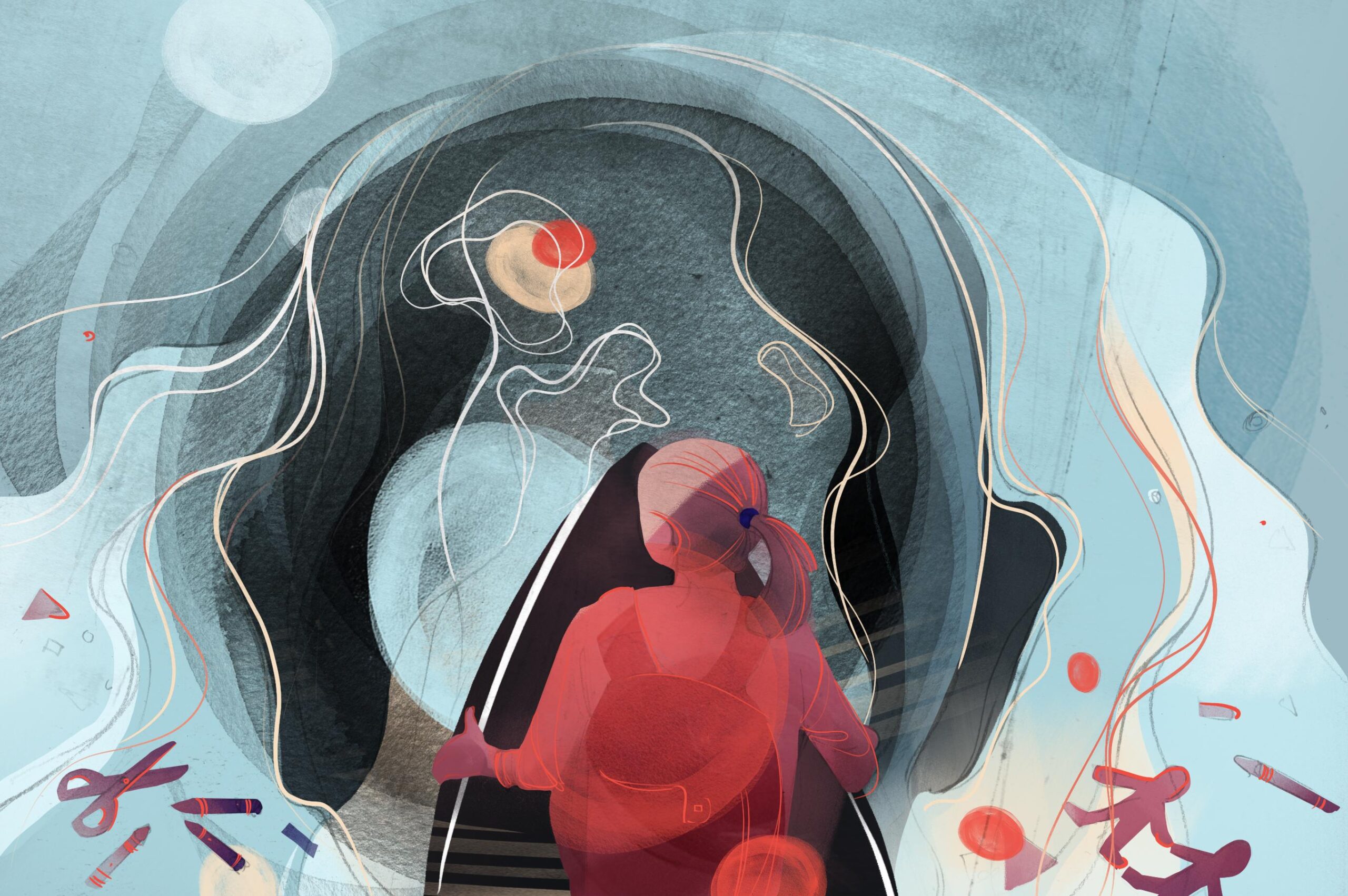
Top future Directions for SEL in Schools: Trends, Innovations, and Next Steps
As the educational landscape continues to evolve, Social Emotional Learning (SEL) is gaining unprecedented attention in schools across the globe. Educators, parents, and policy-makers alike recognize that academic performance is deeply tied to social and emotional well-being. But what does the future hold for SEL? In this comprehensive article, we’ll delve into the top future directions for SEL in schools, exploring emerging trends, the latest innovations, and essential next steps for educators seeking to foster holistic development in students.
Why Future Directions for SEL Matter
Integrating SEL into education isn’t new, but its relevance has grown significantly—especially in the wake of social upheavals and the global pandemic. Schools are realizing that equipping students with SEL skills—like empathy, self-awareness, responsible decision-making, and resilience—prepares them for academic success and a thriving adulthood in an increasingly complex world.
Current Trends Shaping the Future of SEL in Schools
- Data-Driven SEL Programs: Schools leverage analytics and digital assessments to measure SEL outcomes and tailor interventions more effectively.
- Whole-Child Focus: Comprehensive approaches that integrate SEL with academics, physical health, and mental well-being are on the rise.
- Diversity, Equity, and Inclusion (DEI): SEL curricula increasingly emphasize cultural competency, anti-bias education, and inclusive practices.
- Trauma-Informed SEL: Recognizing the impact of trauma on students,educators are adapting SEL strategies to support healing and resilience.
- Family and Community Engagement: Schools are designing programs that involve families and local organizations to reinforce SEL outside the classroom.
Innovations Transforming SEL Implementation
With technology and research evolving rapidly, new tools and methodologies are transforming how SEL is delivered in schools.
Technological Advancements
- AI-Powered SEL Platforms: artificial intelligence is enabling personalized SEL through chatbots, virtual counselors, and behavior tracking software.
- Gamification and Digital Games: Educational games and simulations offer interactive, engaging ways for students to practice social-emotional skills.
- Virtual Reality (VR) Experiences: VR scenarios allow students to immerse themselves in social situations to build empathy and problem-solving skills.
Evidence-Based Approaches
- Mindfulness and Well-Being Apps: Guided meditation and emotional regulation apps are making SEL practices more accessible for all ages.
- Project-Based SEL: Integrating SEL objectives into group projects enhances collaboration, leadership, and communication.
Benefits of Embracing Future-Forward SEL
- Improved academic Outcomes: Students with strong SEL skills often show higher achievement and engagement.
- Decreased Behavioral Issues: Proactive SEL reduces disciplinary incidents and fosters a positive school culture.
- Enhanced Student-Teacher Relationships: SEL builds trust and empathy, critical for productive learning environments.
- Greater Mental Health Support: Early intervention through SEL helps prevent and manage anxiety, depression, and stress.
- Life-Long Skills: SEL prepares students for personal and professional success well beyond graduation.
Case Studies: SEL Success Stories
Future-oriented SEL strategies have already made a tangible impact in schools around the world. Here are two brief examples:
1. Chicago Public Schools (CPS), USA
CPS implemented a district-wide SEL framework focusing on equity and trauma-informed practices. Over five years, they recorded:
- 30% decrease in suspension rates
- Increase in student attendance
- Higher reported feelings of safety and belonging among students
2. Helsinki, Finland
Integrating SEL into the national curriculum, Helsinki schools use project-based learning and mindfulness daily. Key outcomes:
- Lower incidence of bullying
- Improved teacher retention and job satisfaction
- Robust academic and well-being scores compared to international averages
practical Tips for Embracing SEL’s Future in Your School
- Start with Staff Training: offer ongoing SEL professional development for teachers and support staff.
- Adopt Inclusive Curricula: Choose SEL programs that reflect diverse cultures and perspectives.
- Utilize Technology Mindfully: Leverage reputable platforms and apps that are backed by research and adaptable to your context.
- Involve Students in Program Design: Gather student input to ensure relevance and foster student leadership in SEL activities.
- Measure, Reflect, and Adapt: Regularly collect data and feedback to refine SEL approaches for maximum impact.
Next Steps: Building a Sustainable SEL strategy
To ensure the long-term success of SEL initiatives, school leaders must treat social emotional learning as a core facet of their mission:
- Embed SEL in School Culture: Make SEL visible in policies, classroom routines, and community interactions.
- Secure Funding and Resources: Advocate for dedicated budgets and partnerships to support ongoing SEL development.
- Build Community Partnerships: collaborate with mental health professionals, families, and local organizations to reinforce SEL practices.
- stay Informed: Keep updated on new research, trends, and best practices in social emotional learning.
Conclusion: The Road Ahead for SEL in Schools
The future of SEL in schools is bright and brimming with possibilities. By staying attuned to trends, embracing technological innovations, and maintaining a commitment to equity and inclusion, educators can truly transform students’ educational journeys. As SEL continues to evolve, schools that prioritize and adapt will equip learners not only to succeed academically, but also to thrive emotionally, socially, and ethically—today and into the future. Now is the time to champion robust SEL practices and shape a generation of empowered, compassionate citizens.