
Top Future Trends in digital Learning Environments: What’s next for Online Education?
Online education has revolutionized how we learn, giving students and teachers unprecedented flexibility and unlimited access to resources. As technology continues to advance, digital learning environments are evolving rapidly. But what’s next for online education? In this complete guide, we’ll explore the future trends in digital learning environments, their benefits, real-world case studies, and offer practical tips to help you adapt and thrive.
Why Digital Learning Environments Matter
Digital learning environments encompass the platforms, tools, and methods that make online education effective, interactive, and accessible. With the rise of remote learning, educational technology (EdTech), and the growing need for lifelong learning, understanding future trends is key for educators, students, parents, and institutions alike.
Top Future Trends in Online Education
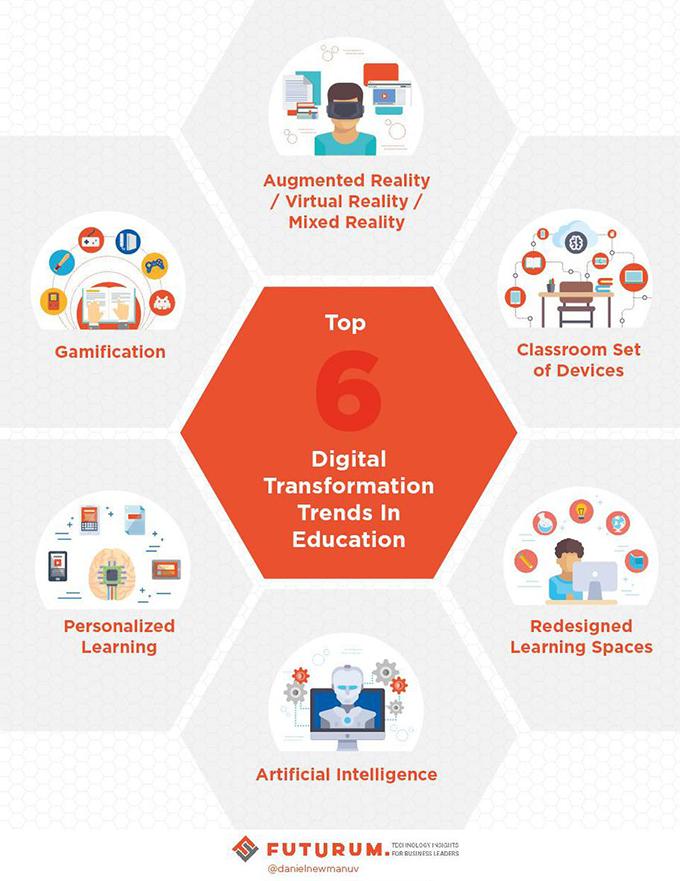
1.Artificial Intelligence (AI) & Machine Learning
- Personalized Learning: AI analyzes student performance and learning styles, creating adaptive learning paths. Platforms like Coursera and Khan academy use algorithms to recommend resources and assessments tailored to each learner.
- 24/7 support: AI-powered chatbots offer instant answers and troubleshooting, enhancing student engagement and satisfaction.
- Smart Content Creation: Machine learning helps create, curate, and optimize educational content for greater relevance and engagement.
2. Adaptive Learning Technologies
Adaptive learning systems use real-time data to modify course material and pacing, accommodating individual strengths and weaknesses. These technologies are expected to become standard in digital classrooms, improving outcomes and retention.
- Dynamic Assessments adapt questions and difficulty to match each student’s ability.
- Customized Feedback delivers actionable insights for targeted improvement.
3. Augmented Reality (AR) & Virtual Reality (VR)
AR and VR are taking online education to immersive new heights. These technologies allow students to explore simulated environments,conduct virtual experiments,and participate in past reenactments.
- Interactive Laboratories: Science labs and engineering simulations powered by VR.
- Global Classroom Experiences: Field trips to museums, historical sites, and more—no passport required!
- Enhanced Engagement: These immersive technologies increase motivation and retention.
4. gamification in Online Education
Gamification incorporates elements like points, badges, leaderboards, and challenges into digital learning environments. This strategy makes learning more fun, competitive, and rewarding.
- Boosts Motivation by turning lessons into interactive games.
- Promotes Active Learning through digital quizzes and simulations.
- Encourages Collaboration via team-based tasks and shared goals.
5. Microlearning & Nano-Learning Modules
Microlearning breaks content into small, focused modules that can be consumed in a matter of minutes, perfect for busy schedules and short attention spans. Nano-learning takes this further, delivering bite-sized lessons facilitated by mobile devices and social media platforms.
- Flexible Scheduling allows students to learn on their own time.
- Instant Feedback keeps learners informed and motivated.
6. Data-Driven Analytics & Learning Dashboards
Advanced analytics track student progress, identify struggling learners, and suggest interventions. Learning dashboards visualize progress, helping educators and students monitor and improve learning outcomes.
- Predictive Analytics forecast student performance and risk factors.
- Personalized Recommendations based on data-driven insights.
7. Blockchain for Credentialing & Digital Badges
Blockchain technology is transforming credentialing in online education, providing verifiable and tamper-proof records for degrees, certificates, and skills. Digital badges allow students to showcase achievements in a secure, decentralized manner.
8. Social & Collaborative Learning Platforms
Emerging platforms emphasize collaboration, peer feedback, and community building.
- Social Learning Networks: Platforms like Edmodo and Microsoft Teams foster real-time interaction and knowledge sharing.
- Peer-to-Peer Assessments leverage collective wisdom for deeper learning.
- Discussion Forums & Virtual Study Groups facilitate ongoing engagement.
9. Mobile Learning & Responsive design
With the proliferation of smartphones and tablets, mobile-pleasant digital learning environments are critical. Responsive design ensures seamless access across devices, enabling learning anytime, anywhere.
10. Inclusive & Accessible Education Technologies
Next-generation learning platforms prioritize inclusivity, offering multilingual content, closed captioning, screen reader support, and adaptive tools for learners with disabilities.
Key Benefits of Emerging Digital Learning trends
- Accessibility: Learning is available to anyone with an internet connection, reducing geographic and socioeconomic barriers.
- Personalization: Courses adjust to individual needs, maximizing engagement and results.
- Flexibility: Students can study on their own time—ideal for working professionals and lifelong learners.
- Cost-Efficiency: Online education typically lowers costs for both providers and students.
- Scalability: Digital environments can support thousands of students simultaneously.
- continuous Improvement: Data-driven analytics enable real-time enhancements.
Case Studies: innovators shaping the Future of Online Education
Duolingo: AI-Powered Language Learning
Duolingo leverages machine learning to create personalized paths for language learners. Its adaptive technology and gamified approach have helped millions master new languages by analyzing user mistakes and providing targeted practice.
Stanford University: VR Labs in Online Science Courses
Stanford integrated VR into its online labs, allowing students to perform experiments and collaborate in a lifelike environment—bridging the gap between theory and hands-on experiance.
Coursera: Microcredentialing & Blockchain Certification
Coursera’s blockchain-enabled certification system gives learners portable, verifiable credentials, helping employers trust online qualifications.
Practical Tips to Leverage Future Learning Trends
- Stay Updated: Follow industry blogs, webinars, and EdTech news to keep abreast of rapid advances.
- Experiment with New Tools: Try integrating AR/VR, analytics, and adaptive platforms into your curriculum.
- Solicit feedback: Regular feedback from students ensures platforms remain accessible and effective.
- Promote Digital Literacy: teach students how to use digital tools responsibly and efficiently.
- Emphasize Collaboration: Foster a sense of community using online discussion boards, team projects, and peer reviews.
- support Accessibility: Choose platforms that meet accessibility standards and provide support for diverse learners.
First-Hand Experience: Embracing Change in online Education
“As a university instructor, I’ve watched my classroom transform over the last five years. My students now log in from across the globe and collaborate on shared documents,participate in interactive VR simulations,and benefit from AI-driven feedback on assignments. These advancements have not only increased engagement but also helped students with unique learning needs succeed like never before.”
Whether you’re an educator,administrator,or learner,embracing these digital trends can foster greater creativity,inclusivity,and success.
Conclusion: The Shining Future of Digital Learning Environments
As digital learning environments continue to advance, online education is becoming more personalized, interactive, and accessible than ever. With innovations like AI, adaptive technologies, AR/VR, and data-driven analytics, the boundaries of what’s possible in online education are expanding daily. For students and educators, the future promises unprecedented opportunities to connect, learn, and grow in dynamic online classrooms.
Stay ahead by understanding and leveraging these future trends in digital learning environments. Whether you’re choosing a platform, designing a course, or simply signing up for an online class, the latest developments in EdTech will shape your learning journey in exciting new ways.