
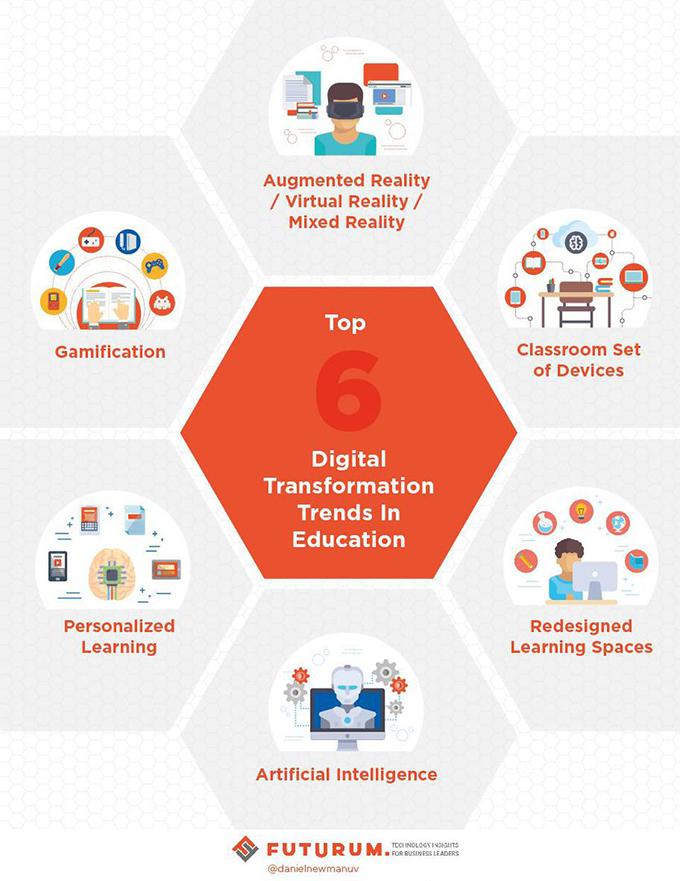
Top Future Trends in Digital Learning Environments: What’s Shaping Education Next
Education is undergoing a rapid digital change. As technology evolves, so do digital learning environments—changing how we teach, learn, and engage wiht data. This article explores the future trends in digital learning environments, revealing the innovations and strategies that will shape the next generation of education. Whether you’re an educator, administrator, student, or EdTech developer, these insights will help you prepare for an exciting future.
What are Digital Learning Environments?
Digital learning environments refer to the technology-enhanced platforms, tools, and methods that support teaching and learning online or in hybrid settings. These include Learning Management Systems (LMS), virtual classrooms, mobile apps, AI-powered tutors, and more. The integration of digital solutions enables personalized, flexible, and accessible education for students globally.
Key Benefits of Digital Learning environments
- Accessibility: Learners can access content anytime, anywhere.
- personalization: Content adapts to individual learning preferences and paces.
- Collaboration: Interactive tools foster peer-to-peer and learner-instructor engagement.
- Scalability: Institutions can reach more students with fewer resources.
- Analytics: Data-driven insights improve learner outcomes and teaching strategies.
Top Future Trends Shaping Digital Learning Environments
1. Artificial Intelligence (AI) and Machine Learning
AI-driven platforms are revolutionizing education. From smart content recommendation engines to automated grading systems,AI offers powerful,personalized learning pathways.
- AI Tutors provide real-time feedback and customized instruction.
- Predictive Analytics anticipate learner outcomes and suggest interventions.
- Natural Language processing (NLP) enables intelligent chatbots for answering student queries.
Case Study: Duolingo uses AI to assess learners’ strengths, adapt lesson difficulty, and keep users engaged for language acquisition.
2. Immersive Learning: AR, VR & XR
augmented Reality (AR), Virtual Reality (VR), and Extended Reality (XR) create engaging, interactive learning experiences. These technologies move education beyond passive reading to full immersion.
- Virtual field trips allow students to experience faraway places.
- Simulations provide hands-on practice for complex subjects like medicine or engineering.
- AR overlays enhance textbooks and real-world objects.
Practical Tip: Begin with affordable smartphone-based VR headsets to integrate immersive experiences without high costs.
3. Microlearning and Bite-Sized Content
Attention spans are shrinking, and microlearning addresses this shift. By delivering content in short, focused modules, learners retain more information and stay engaged.
- Video snippets,quizzes,podcasts,and infographics make learning more flexible and less overwhelming.
- microlearning is ideal for busy professionals and lifelong learners.
First-Hand Experience: “As an online course creator, I noticed that our module completion rates increased by 40% after switching to 5-10 minute lessons.”
4. Gamification: Making Learning fun & Effective
Gamification introduces game mechanics—such as badges, leaderboards, and points—into digital learning platforms. The result? Higher motivation,engagement,and retention.
- Competition inspires students to excel.
- Achievements encourage persistence and goal-setting.
- Immediate rewards provide positive reinforcement.
Case Study: Classcraft enhances classroom management and behavior through a role-playing game environment, boosting participation in blended learning settings.
5. Blended & Hybrid Learning Models
The pandemic accelerated hybrid learning, blending online and face-to-face instruction. This model offers the best of both worlds—flexibility, accessibility, and social interaction.
- Allows personalized pacing and in-depth discussions.
- Enables schools and universities to respond quickly to disruptions.
Best Practice: Use collaborative tools (e.g., discussion forums and shared documents) to foster active engagement in hybrid courses.
6. Learning Analytics: Data-Driven Education
Educational institutions leverage data to enhance curricula, measure learning outcomes, and guide interventions. Analytics tools identify at-risk students and highlight effective teaching methods.
- Dashboards provide instant feedback for instructors and learners.
- personalized interventions optimize learner success rates.
7. Social & Collaborative Learning Online
Social learning platforms foster community, connect learners globally, and encourage meaningful dialog. Features such as discussion boards, peer reviews, and group projects are central.
- Empowers student-driven finding.
- Supports inclusivity and varied perspectives.
Practical tips for educators: Embracing Future Digital Trends
- Stay Current: Engage with EdTech webinars, journals, and online communities.
- Pilot Innovations: Start small by testing new tools with select classes or groups.
- Gather Feedback: Involve learners and staff in evaluating new platforms and methods.
- Encourage Collaboration: Use tools like Slack, Zoom, or Google Workspace to connect learners.
- Prioritize Accessibility: Ensure content meets worldwide design standards for all users.
Real-World Case Studies: How Institutions Are Leveraging Digital Trends
- MITx Online: Combines AI-driven assessments with interactive simulations to enhance engineering education worldwide.
- Southern New Hampshire University: Implements learning analytics to improve student retention and tailor content to individual needs.
- University of Edinburgh: Uses VR-based virtual classrooms for medical and science training, resulting in higher engagement and success rates.
Conclusion: What’s Next for Digital Learning Environments?
The future of education is radiant,dynamic,and tech-driven.With the rise of artificial intelligence, immersive experiences, microlearning, and social collaboration, digital learning environments will continue to evolve—making education more accessible, personalized, and effective than ever before. Adopting these trends will enable educators and institutions to better prepare students for the demands of tomorrow’s world.
ready to empower your teaching and learning experience? Begin by embracing a few emerging tools and watch your digital learning environment transform for the better.
for more insights on EdTech trends and digital learning environments, subscribe to our newsletter or explore our latest guides.