
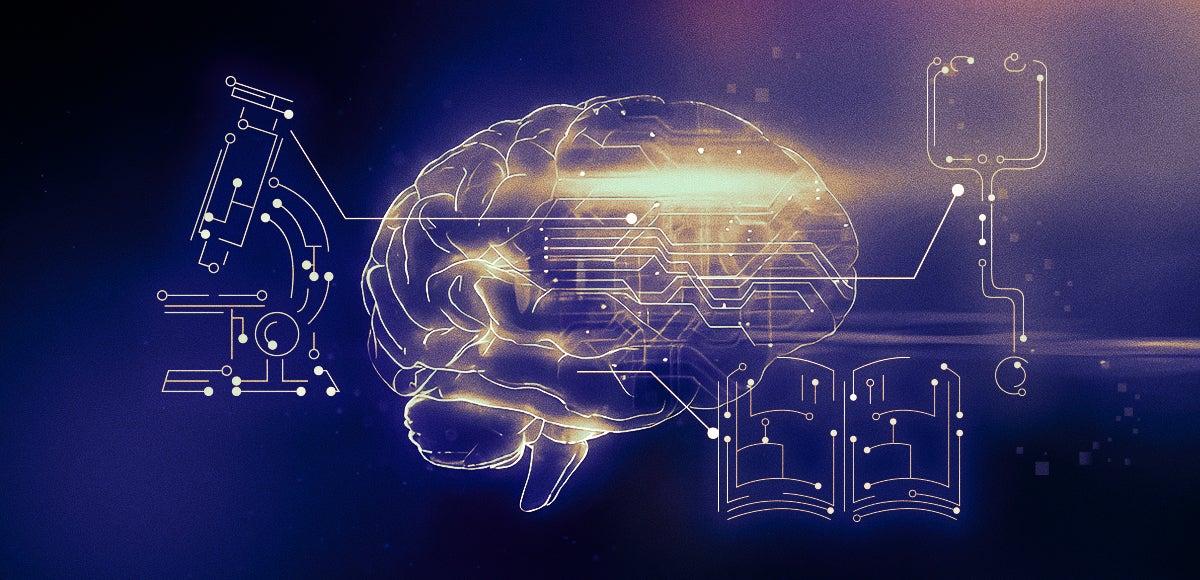
Top Future trends Shaping Digital Learning Environments in 2024 and Beyond
The digital learning landscape is evolving faster than ever.With rapid advancements in technology, online education is transforming how we acquire skills, engage with content, and connect with educators and peers worldwide.as we step into 2024 and look ahead, understanding the key trends shaping digital learning environments is crucial for educators, learners, and organizations alike. This article uncovers the most impactful future trends, their benefits, practical implementation tips, and insights from real-world applications.
Why Stay Ahead of Digital Learning Trends?
Staying informed about emerging digital learning habitat trends is vital for organizations, educators, and learners looking to remain competitive and relevant. Implementing the latest practices ensures enhanced engagement, improved outcomes, and a future-ready learning culture.
1. Artificial Intelligence (AI) Personalization
Artificial Intelligence (AI) is revolutionizing digital education by delivering highly personalized learning experiences. AI-driven platforms can analyze student data, adapt content in real-time, and identify knowledge gaps, offering tailored recommendations to maximize learning efficiency.
- Adaptive Learning Paths: Platforms like Coursera and Khan Academy use AI algorithms to suggest courses or modules based on learner progress and interests.
- Instant Feedback: AI-powered assessments provide immediate insights, helping learners correct mistakes and accelerate growth.
- Intelligent Tutoring: Virtual tutors can offer assistance 24/7, supporting diverse learning styles.
2. Immersive Learning with AR & VR
Augmented Reality (AR) and Virtual Reality (VR) are bringing interactive, hands-on experiences to digital classrooms.These technologies have significant potential to make learning more engaging and memorable.
- Simulations and Virtual Labs: Students can practice real-world skills risk-free, such as performing science experiments or complex surgeries.
- Virtual Classrooms: Learners meet in shared virtual spaces, increasing collaboration and social connections.
- Enhanced Accessibility: AR overlays assist learners with visual or cognitive disabilities, supporting inclusive education environments.
3. Microlearning & Bite-Sized Content
Modern learners crave adaptability and concise facts. Microlearning delivers content in digestible, focused segments, ideal for busy professionals and students alike.
- Mobile Learning: Short quizzes, videos, and tasks fit easily into daily routines.
- Just-In-Time Training: Employees access relevant info exactly when they need it, improving on-the-job performance.
- Higher Retention: Studies show learners remember more from brevity-focused content.
4.Data-Driven Learning Analytics
learning analytics harness the power of big data to refine instructional strategies, elevate learner performance, and enhance overall course effectiveness. by analyzing engagement patterns, completion rates, and assessment results, educators can:
- Identify struggling students early for timely intervention
- Optimize course content based on user feedback
- Forecast future trends in learner behavior
In 2024, expect further integration of analytics dashboards within Learning Management Systems (LMS) like Moodle and Canvas.
5. Gamification & Engagement Strategies
Gamification elements such as points, leaderboards, and digital badges foster motivation and create a sense of achievement.These strategies drive active learning, social participation, and higher course completion rates within digital learning environments.
- Friendly challenges stimulate competition and collaboration
- Reward systems boost learner persistence and enthusiasm
- Scenario-based games make complex concepts easy to grasp
6. Social Learning and Community Building
Fostering social connections online is a vital trend moving forward. Social learning platforms encourage knowledge sharing through discussion forums,peer feedback,and collaborative projects.
- Interactive communities provide support networks for learners
- Peer-to-peer teaching deepens understanding and builds leadership
- Global classroom experiences break geographic barriers
7. hybrid & Flexible Learning Models
The hybrid learning model—combining online and face-to-face instruction—will continue to expand in 2024. Flexibility remains a top priority for both institutions and learners:
- Synchronous and asynchronous options accommodate diverse schedules
- Enhanced accessibility supports lifelong learning for all ages
- Organizations integrate hybrid onboarding and upskilling for employees
Benefits of Embracing Digital Learning Trends
- Greater Engagement: Modern platforms capture learner interest with innovative tools.
- Higher Completion Rates: Personalization and social features improve course retention.
- Access & Inclusion: Online learning makes education available to global audiences, including those with disabilities or remote locations.
- Cost Efficiency: Digitally delivered content reduces expenses related to travel, materials, and venues.
- Workforce Upskilling: Organizations can rapidly train staff to meet evolving industry demands.
Practical Tips for Implementing Future-Ready Digital Learning
- Invest in Scalable Technology: Choose LMS platforms with robust AI, analytics, and integration capabilities.
- focus on user Experience: Ensure interfaces are intuitive, accessible, and mobile-friendly.
- Encourage Community: Build active forums,support peer mentoring,and host virtual events.
- Prioritize Cybersecurity: Protect learner data and privacy with up-to-date security protocols.
- Provide Training: Support educators with ongoing professional development for digital tools and pedagogies.
Case Study: Digital Conversion at TechUni
techuni, a leading European university, shifted to a fully integrated digital learning environment in 2023. By deploying AI-powered personalized learning, virtual reality science labs, and gamified courses, TechUni achieved:
- 28% improvement in average test scores
- 40% higher course completion rates
- 150+ international collaborations via virtual classrooms
This transformation not only boosted student engagement but also established TechUni as a pioneer in digital learning innovation.
First-Hand Experience: Instructor Insights
”Transitioning to a digital-first model was daunting at first,but the results are amazing. Real-time analytics help me adapt lessons based on student needs, while interactive forums keep my classes connected—no matter the distance.”
– Dr. Meera Singh, online Educator
Conclusion: Shaping the Future of Digital Learning
In 2024 and beyond, digital learning environments will continue to break new ground—powered by technologies like AI, VR, and advanced analytics.As educators, institutions, and organizations adapt to these emerging trends, the focus remains clear: creating more engaging, inclusive, and effective learning journeys for everyone. By embracing the future of education today,we can unlock limitless opportunities and prepare for whatever tomorrow brings.
Stay tuned to our blog for the latest insights, tips, and resources on transforming your digital learning environment. Together, let’s shape a brighter educational future!