
Top Instructional Designer Skills and Career Guide: How to Succeed in EdTech
Are you passionate about education and technology? Do you dream of designing impactful learning experiences at universities, colleges, or schools? As the EdTech industry flourishes and the demand for innovative digital learning grows, the role of the instructional designer has become crucial to educational institutions worldwide.This comprehensive guide will walk you through the essential instructional designer skills, career pathways, and practical tips to help you succeed in the dynamic world of educational technology.
What Does an Instructional Designer Do?
Instructional designers are professionals who craft effective, engaging, and accessible learning materials using instructional theories and cutting-edge technology tools. They bridge the gap between subject matter experts, educators, and learners, ensuring that content is both educational and interactive. Instructional designers work in universities, colleges, K-12 schools, and EdTech companies—bringing learning into the digital age.
Key Responsibilities of an instructional Designer
- Analyzing learners’ needs and defining learning objectives
- Designing curricula for online courses,blended learning,and classroom environments
- Developing interactive e-learning modules,videos,and multimedia materials
- Collaborating with subject matter experts and instructors
- Assessing and revising instructional materials based on feedback and analytics
- Integrating learning management systems and EdTech tools
Top Instructional Designer Skills for Success in EdTech
Whether you’re an aspiring instructional designer or aiming to advance your career in educational technology,developing a robust skill set is essential. Here’s what top employers are seeking:
1.Instructional Design Theory & Learning Models
- Strong grounding in adult learning principles (Andragogy)
- Familiarity with instructional models like ADDIE, SAM, and Bloom’s Taxonomy
- Understanding of Universal Design for Learning (UDL) and accessibility standards
2. Educational Technology Proficiency
- Experience with learning management systems (LMS) such as Canvas, Blackboard, Moodle, or Google Classroom
- Ability to create multimedia content using authoring tools (e.g., Articulate Storyline, Adobe Captivate, Camtasia)
- Knowledge of virtual classroom tools and educational apps
3. Project Management Skills
- Capacity to plan, organize, and deliver projects within deadlines
- Comfort with Agile, Waterfall, or other instructional design project management methodologies
4. Interaction and Collaboration
- effective written and verbal communication for diverse audiences
- Collaboration with instructors, graphic designers, and IT specialists
- Interpersonal skills for leading workshops and meetings
5. Assessment & Data Analysis
- Designing formative and summative assessments
- Evaluating learning outcomes with data analytics
- Using feedback and analytics for continuous advancement
6. Creativity and Problem-Solving
- Innovative approach to designing engaging learning experiences
- Ability to troubleshoot technical and pedagogical challenges
Additional Desirable Skills
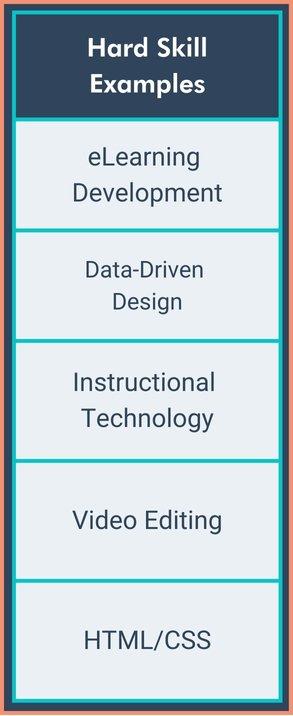
- Basic knowledge of HTML, CSS, or web design principles
- Research skills to stay updated on EdTech trends and best practices
- Experience with video-editing, animation, or graphic design tools
- Understanding of microlearning and adaptive learning systems
Educational Paths and Certifications for Instructional Designers
Moast instructional designers hold a bachelor’s or master’s degree in instructional design, education technology, curriculum advancement, or related fields.Some roles may require specialized certifications or continuing professional development. Popular options include:
- Master’s in Instructional Design or Educational Technology – Preferred for advanced roles at universities and colleges
- Graduate Certificates in E-Learning, Online Teaching, or Curriculum Design
- Industry certifications such as Certified Professional in Learning and Performance (CPLP), Association for Talent Development (ATD), or Learning Guild credentials
Why Pursue a Career as an Instructional Designer in EdTech?
Educational technology is transforming how the world learns.Becoming an instructional designer offers personal fulfillment and exciting career opportunities:
- High demand: EdTech is a rapidly growing field, with universities, schools, and companies seeking qualified professionals.
- Competitive salaries: Instructional designers enjoy attractive compensation and benefits.
- Remote and flexible work: Many institutions accommodate remote, hybrid, or flexible arrangements.
- Continuous learning: Stay at the forefront of technology, innovation, and pedagogy.
- Meaningful impact: Shape the learning experiences and outcomes for thousands of students globally.
Career Pathways and Advancement in EdTech
An instructional designer role can launch a rewarding career in educational technology. typical career progressions include:
- instructional Designer → Senior Instructional Designer
- Learning Experience Designer
- E-Learning Developer or Specialist
- Curriculum Developer/manager
- EdTech Consultant or Project Manager
- Director of Instructional Design or Learning Innovation
With experience and advanced education, you might transition to leadership positions or branch into EdTech product development, faculty training, or consulting.
Practical Tips: How to Get Hired as an Instructional Designer
Breaking into the instructional design job market at schools, colleges, or universities requires a strategic approach.Use these actionable tips to jumpstart your EdTech career:
- Build a strong portfolio: Develop sample e-learning modules, online courses, and instructional materials to showcase your skills. Portfolios are highly valued by hiring managers in education technology.
- Gain hands-on experience: Volunteer for curriculum development, contribute to open educational resources, or collaborate with educators on small projects.
- Network with EdTech professionals: Attend industry conferences, webinars, and join online communities focused on instructional design and educational technology.
- Stay up-to-date: Follow EdTech trends, explore new educational tools, and regularly update your skills with online training or certifications.
- Tailor your request: Highlight relevant instructional designer skills, projects, and results on your resume and cover letter for each job application.
- Prepare for interviews: Be ready to discuss your design process, provide examples of prosperous learning interventions, and demonstrate problem-solving abilities.
Instructional Designer Resume & Interview tips
- Emphasize measurable outcomes (e.g., increased student engagement by implementing interactive modules)
- Include keywords like “instructional designer,” “e-learning developer,” “curriculum design,” and “learning management system” throughout your resume
- Showcase your proficiency with education technology platforms and authoring tools
- Demonstrate leadership, adaptability, and a growth mindset
Conclusion: your Path to a Rewarding Instructional Designer Career in EdTech
The world of educational technology is ripe with opportunities for skilled instructional designers. With a blend of technical expertise, creative vision, and pedagogical knowledge, you can help shape the future of education at universities, colleges, and schools.By mastering top instructional designer skills, building a strong professional network, and staying current with the latest EdTech developments, you’ll be well-equipped to succeed and thrive in this ever-evolving career. Start your journey today and take the first step toward making a lasting impact on learners everywhere.