
Top Marketing Communications Specialist Education: Skills, Degrees & Career Path Insights
Are you passionate about both education and marketing? Do you aspire to play a vital role in shaping how universities, colleges, or schools communicate and promote their programs? A career as a Marketing Communications Specialist in education technology offers the perfect blend of creativity, strategy, and impact.This comprehensive guide will walk you through the essential skills, degree requirements, and career path insights for landing a rewarding job in this dynamic field. Let’s unlock your potential in educational marketing communications!
What Does a Marketing Communications specialist Do in Education?
A Marketing Communications Specialist in education technology (also called MarComm Specialist) develops and implements strategies to promote academic programs, digital coursework, student services, and edtech initiatives. Whether in a university, college, or school, these professionals are at the intersection of marketing, technology, and education, ensuring that institutional messages resonate with students, parents, alumni, and broader academic communities.
- Crafting compelling content for websites, social media, newsletters, and digital campaigns
- coordinating brand messaging for schools, colleges, or university departments
- Managing internal and external communications
- Collaborating with faculty, administrators, and technology teams
- Analyzing marketing metrics to optimize strategies
Key Skills for Marketing Communications Specialists in Education Technology
Success as a Marketing Communications Specialist requires a blend of marketing know-how, tech-savviness, and remarkable communication skills. Below are the core competencies you’ll need:
1. Strategic Marketing Skills
- Campaign planning and execution tailored to educational audiences
- Brand advancement and positioning for schools or academic programs
- Market research and competitor analysis in the edtech sector
2. Content Creation & Storytelling
- Writing clear, engaging copy for digital platforms
- Video production, photography, and multimedia storytelling
- Adapting messages for diverse audiences (students, parents, staff, etc.)
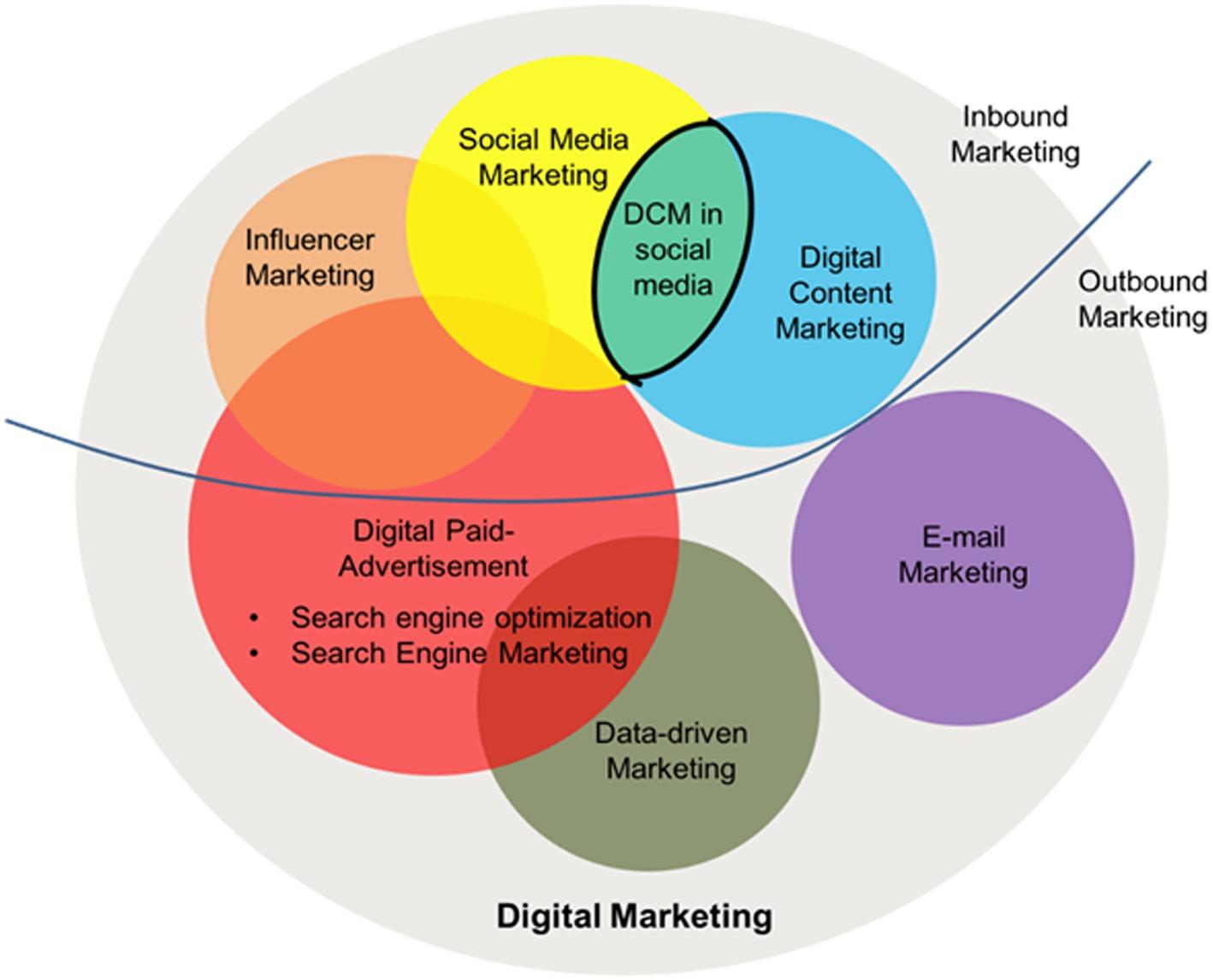
3. digital and Social Media Expertise
- SEO optimization for educational websites and blog content
- managing institutional social media profiles and paid campaigns
- Email marketing, automation, and analytics
4. Data analysis and Reporting
- Tracking website traffic, engagement, and lead generation
- Utilizing digital tools (Google Analytics, CRM systems, email metrics)
5. Communication & Interpersonal Abilities
- Cross-functional collaboration with academic and administrative teams
- Public speaking and presentations for student recruitment events
- Excellent written, verbal, and interdepartmental communication
Recommended Degrees for Marketing Communications in Education Technology
While there’s no single path to becoming a Marketing communications Specialist in the education sector, certain degrees and certifications can give you a critically important edge:
- Bachelor’s Degree in Marketing, Communications, or Public Relations: Most entry-level positions require at least a bachelor’s degree in one of these fields.
- Degree in Education Technology or Educational Governance: having an understanding of the education landscape or edtech tools can be a strong differentiator.
- Supplemental Certifications: Short courses or certificates in social media marketing, digital analytics, content creation, or related fields can add specialized skills to your toolkit.
- Advanced Degrees: Earning a master’s in marketing, Communications, or Education Leadership can open doors to higher-level roles or management positions.
Career Path: Steps to Becoming a Marketing Communications Specialist in education
The journey to becoming a sought-after Marketing Communications Specialist in education technology involves a blend of academic preparation, practical experience, and continuous learning. Hear’s a step-by-step roadmap:
1. Build a Solid Educational Foundation
- Pursue a relevant bachelor’s degree (Marketing, Communications, Education, or related fields)
- Consider minors or electives in digital media, public relations, or journalism
2. Gain Practical Experience
- Secure internships or entry-level jobs in marketing offices at universities, colleges, or schools
- Volunteer for campus media teams, student recruitment events, or outreach initiatives
- Develop a professional portfolio showcasing your writing, campaigns, or multimedia projects
3. Specialize in Education Technology
- Take courses or certifications on edtech platforms, digital learning systems, or data analytics
- Stay updated on the latest trends in online education, digital marketing, and communication strategies for academic institutions
4. Advance Your Career
- Apply for marketing roles at educational institutions, ranging from K-12 schools to higher education
- Pursue leadership roles (marketing Manager, Director of Communications) with more experience
- Network with education technology professionals and join professional associations
benefits of Working as a Marketing Communications Specialist in Education
Pursuing a career in marketing communications for education technology promises a unique blend of personal and professional rewards:
- Purposeful Work: Help students and families discover educational opportunities and improve access to learning technologies.
- Dynamic Work Habitat: No two days are the same—enjoy a mix of creative brainstorming, digital campaigns, and event management.
- Growth Opportunities: With education and technology sectors both expanding, there’s a constant demand for skilled communicators.
- Collaborative Culture: Work closely with passionate educators, innovative technologists, and diverse student bodies.
- Competitive Compensation: Salaries and benefits often reflect the critical role communication plays in institutional success.
Practical Tips for Job Seekers in Marketing communications for Education technology
Ready to stand out and secure a marketing communications specialist role? Use these practical tips to boost your job search:
- Personalize Your Resume and Cover Letter: Highlight specific accomplishments in digital campaigns, SEO, or content strategy relevant to academic institutions.
- Create a Digital Portfolio: Showcase examples of educational marketing materials, social media campaigns, or newsletter content.
- Network Effectively: Attend education career fairs, edtech conferences, and join online forums for marketing professionals in academia.
- Stay Current: Regularly read industry publications, follow thought leaders, and explore new technologies impacting education marketing.
- Develop Soft Skills: Focus on building relationship management, adaptability, and critical thinking—highly valued in education environments.
Advancement Opportunities and Future Trends
As a marketing communications specialist in the rapidly evolving world of education technology, your prospects for career growth are excellent.Here’s what the future holds:
- Emergence of New Roles: Edtech continues to create specialized positions in digital strategy, content marketing, and data analytics.
- Remote Work Flexibility: Many institutions offer hybrid or remote options, expanding your job search possibilities globally.
- Continued Professional Development: Pursue ongoing education in digital marketing tools, AI-driven communication, or multimedia production.
- Leadership Tracks: Transition into management, consulting, or executive roles over time, leading institutional branding and engagement strategies.
Conclusion: Embark on a Rewarding Career in EdTech Marketing Communications
The demand for skilled Marketing Communications Specialists in education technology is growing as schools, colleges, and universities seek to connect with digital-native audiences in innovative ways. By honing your skills, earning the right credentials, and building practical experience, you can launch a fulfilling career at the intersection of marketing, technology, and education. Ready to make a difference? Start your journey today and help transform the future of learning through powerful, persuasive communication.