
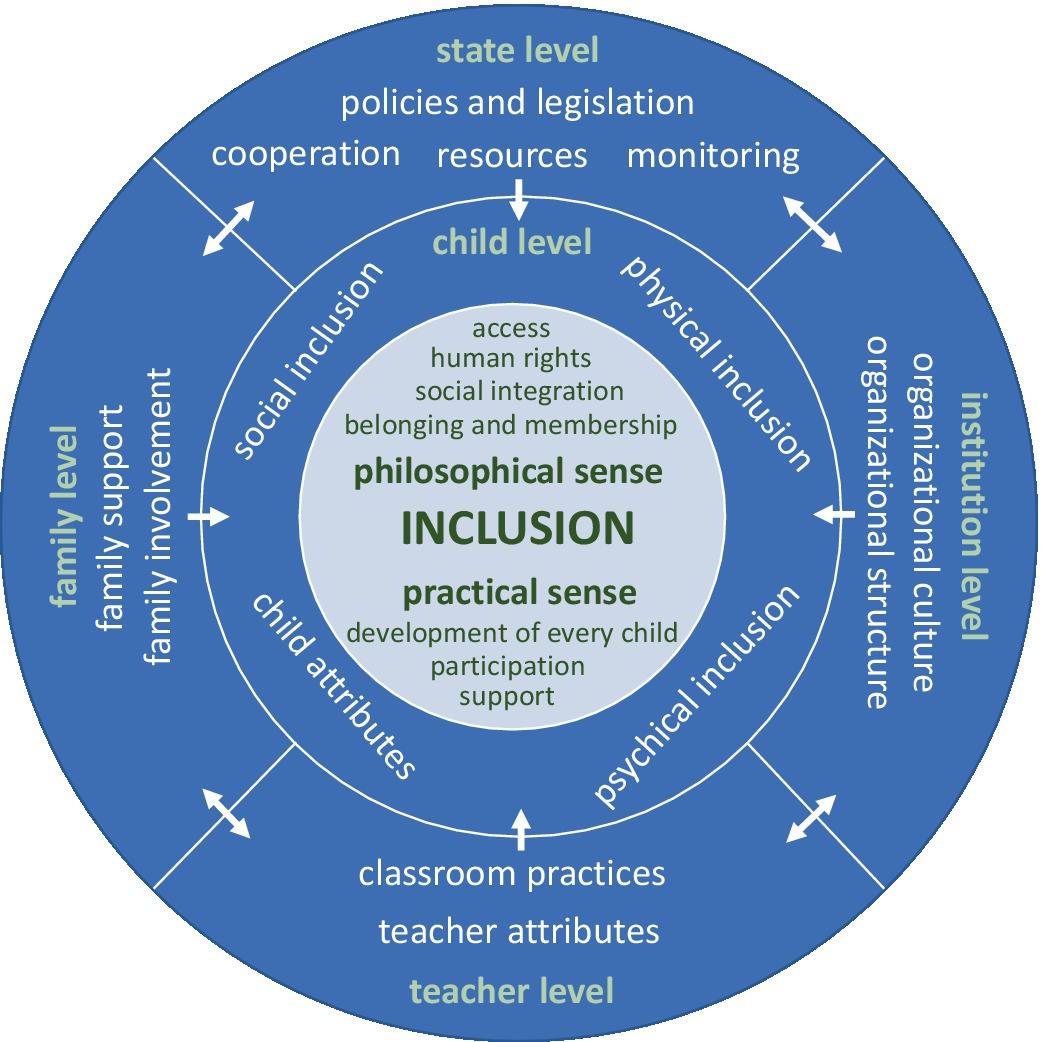
Top Policy Frameworks Supporting inclusive Education: Essential Strategies for schools
Inclusive education is transforming schools worldwide, ensuring every student—regardless of ability, background, or circumstance—has equal access to high-quality learning opportunities. Yet to achieve true inclusion, robust policy frameworks must guide educators, administrators, and communities. This comprehensive guide explores the top policy frameworks supporting inclusive education and shares essential strategies schools can implement for meaningful change.
Understanding Inclusive Education: Definition and Importance
Inclusive education refers to creating learning environments where all students, including those with disabilities, learning differences, and varied cultural backgrounds, participate and thrive together. Its core principle revolves around equality, diversity, and respect. When schools commit to inclusive education, they:
- Foster a sense of belonging for every student
- Reduce discrimination and stigma
- Promote social and emotional growth
- Enhance academic outcomes and life opportunities
Policy frameworks are the backbone of inclusive education, providing guidelines and expectations for teachers, school leaders, and communities to work inclusively.
Key Policy Frameworks Supporting Inclusive Education
Several global and national policy frameworks have reshaped the landscape for inclusive education. Understanding these can help schools implement best practices efficiently and comply with legal and ethical standards. Here are the leading frameworks:
1. United Nations Convention on the Rights of Persons with Disabilities (CRPD)
The CRPD is a landmark treaty emphasizing the right of people with disabilities to inclusive education at all levels. Article 24 specifically mandates states to ensure an inclusive education system and reasonable accommodation for learners with disabilities.
- Encourages accessible physical and social environments
- Advocates individualized support and adjustments
- Promotes professional development for educators around inclusion
2. UNESCO Salamanca Framework for Action (1994)
The Salamanca Statement remains a guiding text for global inclusive education.It urges schools to enroll all children regardless of background or ability and calls for:
- Flexible curricula and teaching methods
- Collaborative partnerships between schools, families, and communities
- Resource allocation for students with special needs
3. Individuals with Disabilities Education Act (IDEA) – United States
IDEA guarantees the right to free appropriate public education in the least restrictive habitat for children with disabilities. Its provisions include:
- Individualized Education Programs (IEPs)
- Early identification and intervention
- Parental involvement and procedural safeguards
4. Equality Act (2010) – United Kingdom
This act prohibits discrimination and supports accessibility and reasonable adjustments in education. It requires schools to:
- Make facilities and curricula accessible for all students
- Train staff in equality and diversity awareness
- Monitor and address disparities in attainment and well-being
5. Every Student Succeeds Act (ESSA) – United States
ESSA prioritizes equity in education, advocating for:
- Assessment systems that accommodate diverse learners
- Targeted supports for marginalized groups
- Accountability measures for schools promoting inclusion
6.National Inclusive Education Policies – Country Examples
- Australia: Disability Standards for Education set clear guidelines for educational participation and access.
- India: Right to Education Act and Inclusive Education policies ensure children with disabilities are not excluded.
- south Africa: Education White Paper 6 outlines inclusive strategies and resource support for schools.
Essential Strategies for Schools: Implementing Inclusive Education
Adopting inclusive education is not just about compliance; it’s about creating a school culture that values difference and enables success for all. Here are practical strategies aligned with policy frameworks:
1. Inclusive Curriculum Design
- Integrate global design for learning (UDL) principles to give students multiple ways to engage and show understanding
- Diversify teaching methods, resources, and assessments
- Encourage student participation and voice across all lessons
2. Professional Development and Staff Training
- Offer ongoing training in inclusive practices, cultural competence, and conflict resolution
- Foster collaborative networks among teachers, specialists, and support staff
3. Family and Community Engagement
- Partner with parents and carers to co-create Individual Learning Plans (ilps)
- Organize inclusive events celebrating diversity and achievement
- Facilitate community access to resources and support networks
4. Accessible Infrastructure and Technology
- Ensure all classrooms and facilities are physically accessible
- Leverage assistive technology for personalized learning (e.g., speech-to-text, audiobooks)
- Offer digital platforms with built-in accessibility features
5. Holistic Support Services
- Provide counseling, health services, and peer mentoring
- Respond to diverse student needs through multi-tiered systems of support (MTSS)
Benefits of Inclusive Education: Why Schools Must Prioritize Inclusion
- Improved Academic Performance: Collaborative classrooms foster deeper understanding and engagement.
- Social and Emotional Growth: Students develop empathy, communication, and resilience.
- Reduced Bullying and Bias: Diversity becomes normalized and respected.
- Higher Staff Satisfaction: Educators experience a more supportive, dynamic workplace.
- Readiness for Real-World Diversity: Students are better equipped for future work and life.
case Studies: Inclusive Education Success Stories
Many schools have successfully implemented inclusive education by leveraging policy frameworks. Here are two compelling examples:
Case Study 1: The finnish Model
Finland’s education system is renowned for equity and inclusion.Through national policies ensuring small class sizes, personalized support, and collaborative teaching, Finnish schools have:
- Achieved high literacy and graduation rates among students with disabilities
- Built strong support teams (teachers, counselors, therapists) around each student
- invested in teacher training and ongoing professional growth
Case Study 2: Inclusion in Australian Schools
Australian schools, guided by federal and state policies, have established:
- Accessible classrooms equipped with adaptive technology
- Inclusive sports and extracurricular programs
- strong parental engagement and advocacy networks
Practical Tips for Schools Embarking on Inclusion
- Start small: Pilot inclusive practices in selected classrooms before scaling school-wide.
- Audit Accessibility: Regularly review physical and digital access for all students.
- Celebrate Differences: Integrate diversity into assemblies, lesson content, and displays.
- Monitor Progress: use data to track student achievement and modify approaches.
- Listen and Learn: Create forums for student feedback and leadership.
Conclusion: Championing Inclusive Education through Policy and Practice
Inclusive education flourishes when supported by robust policy frameworks, essential strategies, and an unwavering commitment from the entire school community.By prioritizing equitable access, diverse teaching methods, and strong partnerships, schools can create environments where every learner—regardless of ability—realizes their full potential.
Ready to transform your school? Embrace inclusive education policies and put essential strategies into action today!