
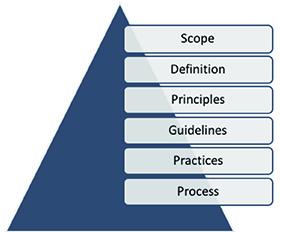
Top Policy Frameworks Supporting Inclusive Education: key Guidelines & Best Practices
Inclusive education is rapidly gaining recognition as a critical component of quality education for all students, nonetheless of their backgrounds, abilities, or learning needs.As educators, policymakers, and communities aim to create more equitable learning environments, understanding the foundational policy frameworks that guide inclusive education is essential.This article delves into the top policy frameworks supporting inclusive education globally, providing key guidelines, best practices, benefits, real-world case studies, and actionable tips for effective implementation.
What Is Inclusive Education?
Inclusive education refers to the approach of educating all students — including those with disabilities,learning difficulties,or from marginalized groups — together in mainstream schools and classrooms. The goal is to ensure equal access to learning opportunities, personalized support, and active participation for every child. This paradigm aligns seamlessly with the Lasting Advancement Goal 4 (SDG 4), which calls for inclusive and equitable quality education for all by 2030.
Why Are Policy Frameworks for inclusive Education Critically important?
Policy frameworks are the foundation upon which inclusive education is built. Thay set out guiding principles, legal obligations, and practical measures for education systems and institutions to follow. Effective policy frameworks:
- Define the rights and responsibilities of stakeholders in education
- Encourage the removal of barriers to learning and participation
- Support the development of inclusive curricula and teacher training
- Promote continuous monitoring and evaluation of progress
Top Global Policy Frameworks Supporting Inclusive Education
1. UNESCO’s Salamanca Statement (1994)
The Salamanca Statement is frequently enough regarded as the cornerstone of inclusive education. It emphasizes the rights of children with special educational needs to learn alongside their peers in regular schools and urges governments to adopt inclusive education as the norm.
- Advocates for child-centered pedagogy
- Calls for adaptation of curricula, teaching methods, and resources
- Recommends stronger teacher preparation for inclusion
2. UN Convention on the Rights of Persons with Disabilities (CRPD) – Article 24
The CRPD, particularly Article 24, mandates that persons with disabilities have the right to education without discrimination and on the basis of equal chance. States parties are required to ensure:
- An inclusive education system at all levels
- Reasonable accommodation of individual requirements
- Effective individualized support measures for lifelong learning
3. Education 2030 Incheon Declaration & SDG 4
adopted at the World Education Forum in 2015, the Incheon Declaration underpins efforts toward equitable and inclusive quality education for all. Its guiding principles are further enshrined in Sustainable Development Goal 4 (SDG4).
- Prioritizes inclusion and equity as central to education targets
- Supports flexible pathways and recognition of diverse needs
- Emphasizes gender equality, lifelong learning, and learning quality
4. The World Bank’s Inclusive Education Initiatives
The World Bank actively promotes inclusive education through policy guidance, funding, and technical support. Their approach focuses on strengthening systems by:
- Integrating inclusive policies into national education plans
- Building capacity for data collection and monitoring of marginalized groups
- Supporting the development of inclusive learning materials
5.Regional and National Policy Frameworks
Many regions and countries have tailored their own policies to support inclusive education, such as:
- European Agency for Special Needs and Inclusive education: Supports European countries in policy development and practice sharing
- India’s Right to Education Act: mandates the inclusion of children with disabilities in mainstream schools
- Australia’s Disability Standards for Education: Sets legal standards for reasonable adjustments in educational settings
Key Guidelines & Best Practices for Implementing Inclusive Education Policies
Effective policy implementation requires translating high-level frameworks into actionable steps. Here are established guidelines and best practices:
1. Create an Inclusive School Culture
- Promote diversity, equity, and belonging among staff, students, and the community
- Uphold zero-tolerance for discrimination and bullying
- Encourage student and parental voice in school governance
2. Ensure Flexible Teaching Methods and Curricula
- Adopt Universal Design for Learning (UDL) principles
- Provide differentiated instruction and assessment
- Utilize technology and assistive devices to support diverse learners
3.Invest in Teacher Training and Professional Development
- Offer preservice and in-service training on inclusive practices
- Facilitate collaborative learning through communities of practice
- Support teachers with on-site coaching and mentoring
4. Provide Adequate Resources and Support Services
- Deploy special educators and support staff within schools
- Develop Individualized Education Plans (IEPs) tailored to student needs
- Engage with external specialists,such as speech and occupational therapists
5. Monitor Progress and Foster Continuous Enhancement
- collect and analyze data on access, participation, and learning outcomes
- Use feedback to guide policy refinement and school development plans
- Share successes and lessons learned with other institutions
Benefits of Inclusive Education: Why It Matters
Embracing inclusive education yields significant benefits for students, schools, and society:
- Improved Learning Outcomes: All students benefit from personalized support and diverse learning strategies.
- Reduced Discrimination: schools become safe environments where diversity is respected and celebrated.
- Holistic Development: Inclusive environments foster empathy, cooperation, and critical life skills.
- Economic and Social Impact: Societies with inclusive education systems are more equitable and productive over time.
Real-World Case Studies
Case Study 1: Finland’s Educational Reforms
Finland’s success in integrating all learners rests on the premise of early intervention, free support services, and strong emphasis on teacher autonomy. Schools are encouraged to innovate and adapt teaching methods to group and individual needs, with comprehensive special needs support available at every level.
Case Study 2: Uganda’s Inclusion Policy
uganda’s progressive policies focus on community sensitization, capacity-building for teachers, and accessible infrastructure. With support from international partners like UNESCO, Uganda has increased primary school enrollment rates for children with disabilities, showcasing the power of inclusive policy reform driven by local engagement.
case Study 3: Australia’s Disability Standards for Education
australian law requires schools to consult with students with disabilities and their families to implement reasonable adjustments. This collaborative model ensures needs are met in partnership, fostering a shared responsibility for inclusion across education systems.
Practical Tips for Schools and Educators
- Audit Your School’s Environment: Assess accessibility,resources,and attitudes toward inclusion regularly.
- Engage All Stakeholders: Involve students, parents, and the wider community in policy development and implementation.
- Start Small, Scale Up: Pilot inclusive strategies in select classes before rolling out school-wide.
- Leverage Technology: Use adaptive tools and digital resources to create flexible learning experiences.
- Celebrate Progress: Recognize inclusive achievements through awards, newsletters, or showcases.
Frist-Hand Perspectives: Voices from the Field
“Adopting an inclusive approach transformed not only my classroom,but our whole school community. Students learned to value each other’s strengths. With ongoing training and strong leadership, every student truly has the chance to shine.”
— Maria Rossi, Primary Teacher, Italy
“Effective policy is more than words on paper. It’s about creating systems where no child feels invisible, and every educator feels empowered to make a difference.”
— Samuel Kaggwa,School Principal,uganda
Conclusion: The Path Forward for Inclusive Education
Inclusive education remains both an ideal and an achievable goal.By leveraging robust policy frameworks such as the salamanca Statement, UN CRPD, and SDG 4, education systems can dismantle barriers and foster environments where all learners flourish. As educators and stakeholders, your commitment and creativity are vital to turning policy into practice. Embrace these best practices and guidelines to build truly inclusive schools — because every learner deserves a seat at the table of opportunity.