
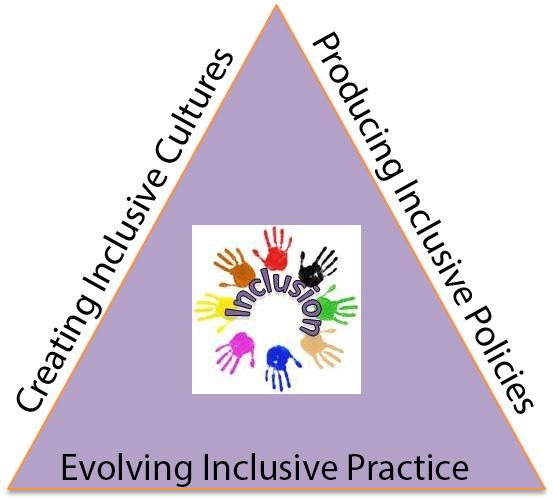
Top Policy Frameworks Supporting Inclusive Education: Key Guidelines for Schools and Policymakers
Inclusive education continues to be a guiding principle for schools and policymakers seeking to provide equitable learning opportunities for every student, including those with disabilities, diverse ethnic backgrounds, and varying learning needs.The implementation of strong policy frameworks is central to building inclusive schools and ensuring that no learner is left behind. In this thorough guide, we will explore the most influential policy frameworks supporting inclusive education, the benefits of adopting them, key guidelines for implementation, and actionable tips for educators and policymakers alike.
What is Inclusive Education?
Inclusive education refers to a teaching model were all students, irrespective of their abilities or backgrounds, learn side-by-side in the same classrooms. Rather than segregating learners with special needs or other differences, inclusive education embraces diversity, adapts teaching methods, and fosters a community where everyone feels valued and respected.
- ensures equal opportunities for all learners
- Promotes diversity, equity, and belonging
- Fosters social, emotional, and academic growth
Why are policy Frameworks Critically important for Inclusive Education?
Policy frameworks are essential in providing structured guidance, legal backing, and accountability for the practice of inclusive education. They outline the vision, principles, and standards that schools and educational systems must adhere to, helping to:
- Protect the rights of marginalized or vulnerable students
- Create consistent, system-wide approaches to inclusion
- Guide resource allocation, teacher training, and curriculum design
- Encourage community and stakeholder engagement
Top Policy Frameworks Supporting Inclusive Education
The foundation of inclusive education has been shaped by a range of international and national policy frameworks. Below, we highlight some of the most prominent guidelines and agreements shaping today’s inclusive environments.
1. The Salamanca Statement (1994)
The UNESCO Salamanca Statement is widely regarded as a landmark declaration for inclusive education. Signed by representatives from 92 governments and 25 organizations, it calls for schools to accommodate all children, regardless of their physical, intellectual, social, emotional, linguistic, or other conditions.
- Emphasizes education as a right for every child
- Mandates schools to adapt to diverse needs
- Highlights the importance of teacher training and support systems
2. United Nations Convention on the Rights of Persons with disabilities (UNCRPD)
The UNCRPD adopted in 2006, especially Article 24, mandates member countries to ensure an “inclusive education system at all levels.” This legally binding document sets a global standard for accessibility, participation, and achievement for learners with disabilities.
- Guarantees access to inclusive, quality, and free primary and secondary education
- Promotes lifelong learning
- Insists on reasonable accommodations
3. Enduring Development Goal 4 (SDG 4)
SDG 4—part of the United Nations 2030 Agenda—aims to “ensure inclusive and equitable quality education and promote lifelong learning opportunities for all.” This goal recognizes inclusive education as basic to eradicating inequality and achieving social justice.
- Targets equal access to education at all stages
- Focuses on eliminating gender disparities
- Encourages scholarships and support for vulnerable groups
4. Individuals with Disabilities Education Act (IDEA) – United States
The Individuals with Disabilities Education Act (IDEA) is a cornerstone of U.S.legislation, mandating free and appropriate public education (FAPE) in the least restrictive surroundings for children with disabilities.
- Ensures special education and related services are tailored to individual needs
- Supports parental involvement and procedural safeguards
- Stresses individualized education programs (IEPs)
5. Equality Act 2010 – United Kingdom
The UK’s Equality Act 2010 consolidates existing anti-discrimination laws and requires schools to make “reasonable adjustments” so that all students—regardless of disability or other characteristics—have equal access to education.
- Protects against direct and indirect discrimination
- Requires proactive measures for accessibility
- Promotes equal participation in all aspects of school life
6. Education for All Handicapped Children Act (EHA) and the Right to Education Act (RTE) – India
India’s RTE act (2009) ensures free and compulsory education for all children aged 6-14,including those with disabilities. The act calls for non-discrimination, curriculum adaptation, and barrier-free access to schools.
- Promotes mainstreaming and inclusive classrooms
- Mandates teacher training and inclusive curriculum
- Encourages community participation
Key Guidelines for Schools and Policymakers to Foster Inclusive Education
While major policy frameworks provide direction, practical implementation requires actionable steps. Here are essential guidelines drawn from global best practices to help schools and policymakers create genuinely inclusive education systems:
1.Establish a Clear Inclusive education Policy
- Develop a shared vision with input from students, families, and educators
- Communicate clear expectations and responsibilities for all staff
- Ensure policies comply with international and national legal mandates
2. Professional Development and Teacher Support
- Regularly train teachers on inclusive teaching strategies
- Offer mentorship, peer support programs, and access to specialists
- Encourage reflection and the sharing of best practices
3. Curriculum Adaptation and Differentiation
- Modify curriculum, teaching methods, and assessments to cater to diverse learning styles
- Use technology and assistive devices to foster participation
- Integrate universal design for learning (UDL) principles
4. Provide Adequate Resources and Accessibility
- Ensure physical accessibility in classrooms and school facilities
- Invest in appropriate teaching aids and learning materials
- Establish support systems, such as counseling and health services
5. Promote a Positive and Inclusive School Culture
- Foster respect, empathy, and understanding among students and staff
- Celebrate diversity through school activities and curricula
- Establish robust anti-bullying and anti-discrimination policies
6. Engage Families and communities
- Encourage parental involvement in educational planning
- Partner with community organizations to leverage additional resources and support
- Conduct awareness campaigns to reduce stigma and misconceptions
Benefits of Implementing Inclusive Education Policy Frameworks
A strong inclusive education policy framework delivers advantages far beyond improved learning outcomes for students with special needs. Here’s how schools and communities benefit:
- Social cohesion: Promotes mutual respect, empathy, and social integration among diverse groups.
- Academic success: Inclusive classrooms foster innovative teaching and often lead to higher achievement for all learners.
- whole-child development: Inclusive settings nurture social,emotional,and cognitive growth.
- equity and justice: Reduces discrimination, ensuring all students have opportunities to thrive.
Case Study: Success Story from finland
Finland is a celebrated example of inclusive policy in action. The Finnish education system is built on the principle that every child matters. By offering flexible, individualized support, and placing a strong emphasis on teacher training and collaboration, Finnish schools have achieved world-class academic outcomes. The emphasis on early intervention,tailored learning plans,and a culture of equity demonstrates how robust policy frameworks can translate into daily practice and meaningful results.
Practical Tips for Effective Implementation of Inclusive Education Policies
- Start small, than scale: Pilot inclusive practices in selected classrooms before expanding school-wide.
- Monitor and evaluate: Use data on participation, achievement, and well-being to refine strategies.
- Encourage collaboration: Facilitate regular meetings between general education, special education, and support staff.
- Customize interventions: Recognize that each school and community is unique; adapt policies accordingly.
- Celebrate successes: Share positive stories to build momentum and inspire change.
Conclusion: Advancing Inclusive education for All
Inclusive education is no longer a lofty ideal but a practical necessity in today’s diverse world. Effective policy frameworks such as the salamanca Statement, UNCRPD, and national legislative acts provide the backbone for transforming schools into truly inclusive environments. For schools and policymakers, embracing and effectively applying these frameworks is key to ensuring every child receives the education they deserve.
By fostering positive school cultures, adapting curricula, engaging families, and continually reviewing policies, we can move closer to educational equity for all. Whether you’re an educator, a policymaker, or a passionate advocate, your commitment to inclusive education can make a life-changing difference. Let’s champion inclusion, diversity, and opportunity for every learner, everywhere.