
Top Policy Frameworks Supporting Inclusive education: Strategies for Equitable Learning
inclusive education is rapidly gaining momentum as a cornerstone of equitable learning environments worldwide. With diverse learners in every classroom, robust policy frameworks are essential to guide inclusive practices, ensure fair access, and optimize educational outcomes for all students—regardless of background or ability. This article explores the top policy frameworks supporting inclusive education and provides actionable strategies for fostering equitable learning in any education setting.
Understanding Inclusive Education
Inclusive education refers to the practice of educating students with diverse abilities, needs, and backgrounds together within mainstream classrooms. The goal is to remove barriers, promote participation, and ensure every learner receives a quality education tailored to their individual needs. Equitable learning environments make it possible for each student to realize their full potential.
Key Benefits of Inclusive Education
- improved academic performance: Collaborative environments foster deeper problem solving and critical thinking.
- Better social integration: Students learn acceptance, empathy, and dialog skills.
- Increased awareness and respect for diversity: Inclusive classrooms provide exposure to a wide range of perspectives.
- Greater opportunities for all learners: No student is left behind, supporting lifelong success.
Top Policy Frameworks Supporting Inclusive Education
Establishing inclusive education requires comprehensive policy frameworks. These policies guide schools,educators,and stakeholders in implementing effective strategies,allocating resources,and upholding the principles of equity. Here are some of the most influential frameworks globally:
1. United Nations Convention on the Rights of persons with Disabilities (CRPD)
- Globally recognized treaty that advocates for the rights of persons with disabilities, including those in education.
- Article 24 specifically addresses the right to inclusive education for persons with disabilities, emphasizing full participation in society.
- Encourages signatory nations to adopt legislative and administrative measures for non-discriminatory education.
2. UNESCO Policy Guidelines on inclusion in Education
- Provides practical recommendations and principles to support inclusive education systems.
- Encourages countries to review and reform existing policies to ensure strong inclusion.
- Promotes teacher training, personalized learning paths, and active parental involvement.
3. Individuals with Disabilities Education Act (IDEA) – USA
- Federal law guaranteeing free appropriate public education (FAPE) for children with disabilities in the least restrictive surroundings.
- mandates the progress of Individualized Education Programs (IEPs) tailored to each student.
- Emphasizes parental rights, early intervention, and transition services to adulthood.
4. Salamanca Statement and Framework for Action – UNESCO
- Landmark document that established inclusive education as a guiding principle for educational reform globally.
- Encourages policy makers to focus on “schools for all” and adapt curricula to accommodate every learner.
- Promotes community involvement and teacher support for inclusion.
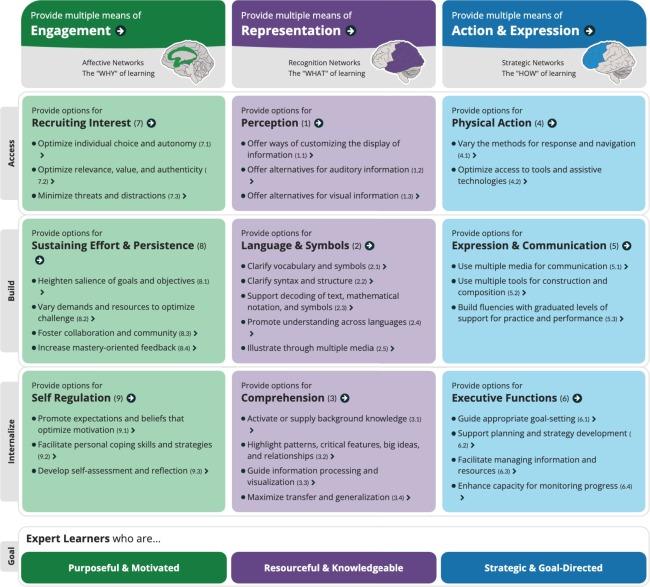
5. Worldwide Design for Learning (UDL) Policy Framework
- Advocates flexible teaching methods and curricula to meet diverse student needs.
- Encourages barrier-free learning environments that support various abilities and backgrounds.
- increasingly adopted into national education policies in Canada, Australia, and beyond.
Effective Strategies for Equitable Learning
Policy frameworks pave the way, but practical strategies are essential for delivering inclusive education daily. Here are key approaches supported by leading policies:
1. Differentiated Instruction
- Tailor curriculum, tasks, and assessment to address differing learning styles and abilities.
- Use flexible grouping, varied resources, and multiple means of engagement and expression.
2. Collaborative Teaching Models
- Co-teaching approaches allow general and special educators to partner in the same classroom.
- Fosters expertise-sharing and more targeted support for learners.
3. Accessible Learning Environments
- Implement physical and digital accessibility features (ramps, assistive technology, captioning).
- Ensure all classroom resources are usable by everyone,regardless of ability.
4. Positive Behavior Support Systems
- Promote inclusive language and culture among staff and students.
- Address bullying, discrimination, and exclusion through school-wide programs.
5. Family and Community Engagement
- Involve parents and community organizations in decision-making and support.
- Provide workshops, resources, and communication for families of diverse backgrounds.
Case Studies: Successful Inclusive Education Initiatives
Case Study 1: Finland’s National education policy
Finland’s education system is frequently highlighted as a model for inclusive education policy. National frameworks focus on:
- Integrated support services within mainstream schools.
- Universal access to early childhood education.
- Teacher empowerment through ongoing professional development.
Outcomes include high equity in student achievement and strong social cohesion, demonstrating that robust policy frameworks and consistent implementation yield measurable benefits.
Case Study 2: inclusive Education in kenya
Kenya’s Ministry of Education has made significant strides in inclusive education via the Sector Policy for learners and trainees with Disabilities. Key aspects include:
- Multi-sectoral partnerships supporting resource centers and accessibility.
- Teacher training on inclusive pedagogy and assessment.
- Active campaigns combating social stigma and discrimination.
While challenges remain, policies have broadened access and visibility for learners with disabilities, empowering their participation in mainstream schooling.
Practical Tips for Implementing Inclusive Education Policies
Even with robust policy frameworks, school leaders, teachers, and communities must take actionable steps to realize true inclusion. Here are some practical tips:
- start with awareness: Invest in training programs about diversity and inclusive education for all staff.
- Review and adapt curriculum: Ensure your curriculum is flexible and can be customized for different learners.
- Utilize data: Track student progress and equity indicators; use data to refine strategies.
- Cultivate partnerships: Collaborate with local government, NGOs, parents, and disability advocates.
- Invest in resources: Secure funding for assistive technologies, accessible infrastructure, and inclusive extracurricular activities.
Frist-hand Experiences: Voices from the Classroom
Many educators and students share inspiring accounts of how inclusive policies transform learning environments. Here are a few perspectives:
“With Universal Design for Learning integrated into our school policy, every child can engage meaningfully.Students are more motivated,and we see fewer barriers to participation.”
— Ms. Akash, Primary School Teacher
“My son with Down syndrome now has friends and enjoys learning, thanks to the school’s dedication to inclusive practices. The change has been life-changing for our whole family.”
— Parent, Inclusive School Community
Conclusion: Building Equitable learning Through Strong Policy and Practice
Inclusive education stands at the forefront of equitable learning. Effective policy frameworks, such as the UNCRPD, IDEA, and UNESCO Guidelines, offer strong foundations for implementing inclusion at every level.Yet, policies must be coupled with actionable strategies—differentiated instruction, collaborative teaching, accessible environments, and community engagement—for true impact.
Schools, educators, and communities play a vital role in ensuring these frameworks are not just words but lived realities. As we champion inclusive education,let’s strive for environments where every learner is valued,supported,and empowered to succeed. The journey towards equitable learning never stops, but with robust policy frameworks and committed action, the path is clearer than ever.
Looking for more practical advice and insights on inclusive education? Explore our other articles on strategies,case studies,and classroom resources for equitable learning.