
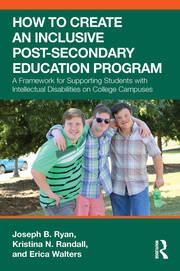
top Policy Frameworks Supporting Inclusive Education: Strategies for Schools and Policymakers
Inclusive education is more than a buzzword—itS a movement towards equitable, accessible, and high-quality learning environments that embrace diversity in schools. For educators,school leaders,and policymakers,understanding and implementing robust policy frameworks is essential for making inclusion a lived reality.In this guide, we’ll explore the top policy frameworks supporting inclusive education, their benefits, and proven strategies for translating policy into practice.
What Is Inclusive education?
Inclusive education is the practice of welcoming all students, irrespective of ability, background, language, or learning needs, into mainstream schools. Rather than segregating learners, inclusive education policies promote environments where every child receives the support they need to thrive academically, socially, and emotionally.
- addresses barriers to learning and participation
- Recognizes diversity as a strength
- Requires collaboration between various stakeholders
Global policy Frameworks Supporting Inclusive Education
Numerous global organizations and governments have developed influential frameworks that guide countries and schools toward inclusive education. These frameworks establish standards, values, and actionable strategies for creating accessible and equitable learning spaces.
1. The Salamanca Statement (1994)
Adopted at the UNESCO World Conference, the Salamanca Statement is widely regarded as a turning point for inclusive education policy. It urges governments to:
- Adopt the principle of inclusive schools
- Enrol all children, regardless of disability, in mainstream schools
- Provide support to educators and students as needed
- Review teacher education programs for inclusive teaching practices
2. United Nations Convention on the Rights of Persons with Disabilities (CRPD)
The CRPD (Article 24) acknowledges the right to inclusive, quality, and free elementary and secondary education for students with disabilities. Countries that have ratified the CRPD commit to:
- Eliminate discrimination in school admission and participation
- Provide reasonable accommodations and personalized supports
- invest in accessible infrastructure and learning resources
3. UNESCO’s Education 2030 Framework for Action
This agenda underpins Sustainable Progress Goal 4: Ensure inclusive and equitable quality education and promote lifelong learning. Key policy recommendations include:
- Develop national strategies for inclusion and equity
- Invest in teacher training focused on diversity
- Establish clear monitoring and accountability mechanisms
4. National Legislation (e.g., Individuals with disabilities Education Act, IDEA - USA)
Countries across the globe have enacted their own inclusive education laws, such as the IDEA in the United States. Key provisions typically include:
- Free and appropriate public education for every child
- Individualized education Programs (IEPs)
- Early intervention and transition planning
pro Tip: Review your country or state’s education policy documents for specific frameworks supporting inclusion in your region.
Benefits of Inclusive Education Policy Frameworks
- Reduces Barriers: Clear policies identify and actively tackle systemic obstacles to participation.
- Raises Standards: Sets high, realistic educational goals for all students, driving overall school improvement.
- Promotes Social Cohesion: Fosters empathy, respect, and collaboration among diverse groups.
- Encourages teacher Growth: Supports ongoing professional development centered on inclusive strategies.
- Aligns Resources: Ensures schools have sufficient support staff, assistive technology, and funding.
Strategies for Schools and Policymakers: turning Policy into Practice
How can schools and policymakers use these frameworks to build authentic inclusive communities? Here are proven strategies that champion inclusion at every level:
1. Leadership and Vision
- Establish a shared commitment to inclusive education at the school board and administrator levels.
- Develop an actionable inclusion plan with measurable goals.
- Encourage student and family voice in policy-making processes.
2.Teacher Training & Ongoing Professional Learning
- Invest in sustained, hands-on professional development on inclusive teaching strategies.
- Facilitate peer coaching and mentorship.
- Promote a growth mindset toward student diversity.
3.Collaborative Support Systems
- Form multidisciplinary teams (including special educators, therapists, counselors).
- Implement Individualized Education Plans (IEPs) or equivalent support plans for learners with additional needs.
- Encourage universal design for learning (UDL) to benefit all students.
4. Curriculum and Assessment Adaptation
- Offer flexible pathways for learning aligned with grade-level standards.
- Use formative assessment and feedback to guide instruction.
- Integrate diverse content that reflects student identities and cultures.
5. Community and Parental Engagement
- Partner with parents in educational decision-making and policy review (e.g., Parent Advisory Councils).
- Provide clear, accessible communication about school initiatives.
- Connect with community organizations for additional support and resources.
Practical Tips for Implementing Inclusive Policy Frameworks
- Start with a school-wide audit on inclusivity, gathering feedback from students, staff, and families.
- Regularly review policies and practices to address new challenges and celebrate successes.
- Set up inclusion champions or working groups within your school to drive sustained change.
- Ensure accessible facilities and learning materials (digital and physical).
- Leverage assistive technology to support diverse learners.
Case Studies: Inclusive Education Policy in Action
Finland: Equity-Driven National Policy
Finland’s education system is renowned for its commitment to inclusion at every level. National frameworks require schools to:
- Offer early intervention supports before labeling or segregating students
- Utilize flexible curriculum differentiation and team teaching
- Maintain close collaboration between educators, parents, and care providers
As a result, Finnish students report some of the highest levels of well-being and achievement in the world.
Australia: Disability Standards for Education
Australia’s Disability Standards for Education (2005) align with international conventions and outline clear obligations for schools to:
- Provide reasonable adjustments in teaching, assessments, and surroundings
- train teachers in inclusive and differentiated instruction
- Regularly consult with students and families to review supports
Australian schools have used this policy to raise awareness, build capacity, and ensure students with disabilities feel genuinely included.
Frist-Hand Experience: The Power of Policy in Action
“We used to think inclusive education was just about physical access. Now, thanks to updated policies and professional learning, our entire approach has shifted. Teachers co-plan lessons, students have a say in their supports, and the whole community feels more connected.We’ve seen not just academic growth, but increased confidence in every student.” — Principal, Ontario Public School
Conclusion: Building a Lasting Culture of Inclusion
The right inclusive education policy frameworks provide a powerful foundation—but it’s the ongoing commitment of school leaders, teachers, students, and policymakers that brings these policies to life.by centering equity, participation, and support in all aspects of school life, we can create learning environments where every child belongs and thrives.
In summary:
- International and national policies guide inclusive education worldwide.
- Benefits include equity, school improvement, and stronger communities.
- Success depends on strong leadership,targeted training,teamwork,and persistent review.
If you’re looking to champion inclusion at your school or district, start by embedding these top policy frameworks into your everyday practice — and never stop listening to the voices of those you serve.
Keywords: inclusive education policy frameworks, strategies for schools, inclusive education benefits, supporting diverse learners, global inclusive education frameworks, policymaker strategies, inclusion best practices.