
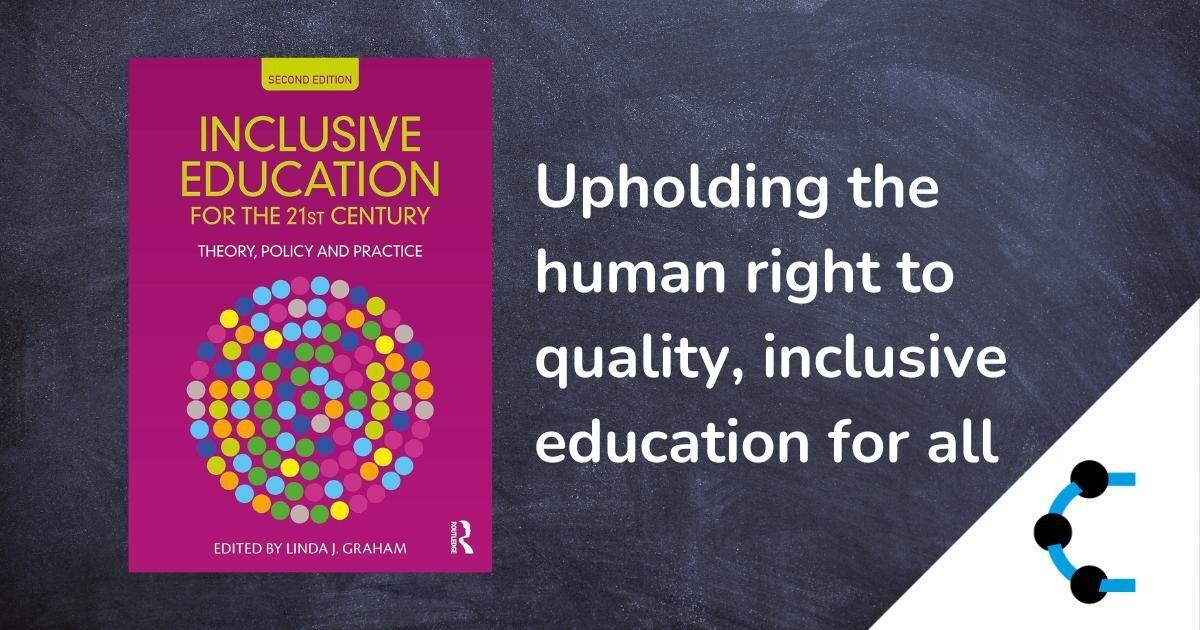
top Policy Frameworks Supporting Inclusive Education: strategies for Success and Equity
Inclusive education is more than just a trend—it’s a fundamental approach to ensuring every learner has equal opportunities to thrive in the classroom. As societies around the world recognize the value of diversity, various policy frameworks have been established to support inclusive education, promote equity, and ensure success for all. In this article, we’ll explore the leading policy frameworks, effective strategies for implementation, real-world benefits, and essential tips for fostering an inclusive educational environment.
what is Inclusive Education?
Inclusive education refers to a teaching philosophy and policy approach that provides all students—regardless of their abilities, backgrounds, or identities—access to quality education within mainstream settings. This means valuing diversity, embracing differences, and ensuring learners with disabilities, learning difficulties, or other marginalized identities are welcomed and empowered.
Why Policy Frameworks Matter in Inclusive Education
Complete policy frameworks are crucial in transforming inclusive education from aspirational statements into practice. They offer a roadmap for schools, educators, policymakers, and communities to implement inclusive teaching methods, allocate resources equitably, and uphold the rights of all learners. These frameworks not only shape national and local laws but also set measurable standards and inspire continuous improvement.
Leading Global Policy Frameworks Supporting Inclusive Education
Throughout the years,several influential policy frameworks have played a pivotal role in shaping inclusive education worldwide. Let’s take a closer look at the most impactful ones:
- The Salamanca Statement and Framework for Action (1994): A UNESCO initiative, this document established the right of every child to inclusive education, emphasizing the necessity of adapting schools to cater to all students, particularly those with special educational needs.
- The United Nations Convention on the Rights of Persons with Disabilities (CRPD): Article 24 of the CRPD explicitly recognizes the right to inclusive, quality education for students with disabilities in mainstream schools.
- Lasting development Goal 4: This goal, part of the UN’s 2030 Agenda, aims to “ensure inclusive and equitable quality education and promote lifelong learning opportunities for all”.
- Every Student Succeeds Act (ESSA) – USA: ESSA ensures all public schools provide equal opportunities, with a specific focus on students who are economically disadvantaged, minorities, or have disabilities.
- Education for All (EFA): Spearheaded by UNESCO and UNICEF, this initiative pushes for universal access to quality basic education—regardless of circumstances or abilities.
- The European Agency for Special Needs and Inclusive Education Frameworks: Many European countries align their inclusive education systems based on policy recommendations from this agency.
- National Policies: Countries like Canada,Australia,India,and South Africa have tailored inclusive education policies based on international frameworks to suit their unique contexts.
Strategic Pillars of Effective Inclusive Education Policies
Effective policy frameworks for inclusive education generally revolve around several core pillars.Understanding and implementing these pillars can drive meaningful transformation in any educational setting:
- Legal Guarantees: Enshrining the right to inclusive education within national constitutions, education acts, and regulations.
- curriculum Flexibility: allowing for personalized learning approaches and differentiated instruction to cater to various strengths and needs.
- Teacher training and Support: Providing pre-service and ongoing professional development in inclusive methodologies.
- Accessibility and Resource Allocation: Ensuring accessible infrastructure, assistive technologies, and adequate funding for inclusive resources.
- Family and Community Engagement: Involving parents, caregivers, and local communities as active partners in the educational process.
- Data Collection and Progress Monitoring: Setting up robust assessment frameworks to identify gaps, track outcomes, and inform policy refinement.
Benefits of Robust Inclusive Education policies
Comprehensive and well-implemented policy frameworks deliver broad-ranging benefits for individuals,classrooms,and societies. Here’s why investing in inclusive education policies is a strategic and ethical imperative:
- Promotes Equity and Reduces Disparities: Inclusive education bridges gaps for marginalized groups, reducing exclusion, bias, and segregation.
- Fosters Social cohesion: By learning together, students develop empathy, respect for diversity, and stronger social bonds.
- Improves Academic Outcomes: Differentiated instruction and adaptive assessments help all students, not just those with disabilities, achieve their full potential.
- Prepares Students for a Diverse World: Exposure to different perspectives equips learners with skills for a multicultural, globalized future.
- Strengthens Community Engagement: Inclusive policies encourage collaboration among educators, families, and local organizations.
Practical Tips for Implementing Inclusive education Strategies
Translating policy into action can be challenging, but several practical steps can enhance success:
- Conduct Needs Assessments: Gather input from students, parents, and educators to tailor inclusion strategies.
- Provide Continuous Teacher Training: Facilitate workshops on Universal Design for Learning (UDL), adaptive technologies, and classroom management for diverse needs.
- Build Collaborative Teams: Encourage co-teaching models and foster partnerships among special educators, general teachers, and specialists.
- Create Welcoming Environments: Use inclusive language, adopt flexible seating, and showcase diverse materials and cultural perspectives.
- Leverage Technology: Employ assistive tech (e.g., text-to-speech software, visual supports) to remove learning barriers.
- Set Measurable Goals: Define clear outcomes and use data-driven strategies to track progress and make adjustments.
WordPress Styling Tips for Showcasing Inclusive Education Initiatives
want to make your content stand out? Try these simple CSS WordPress customizations for your blog:
ul.inclusive-benefits {

    background: #eaf6fb;

    padding: 20px;

    border-radius: 7px;

}

h2, h3 {

    color: #2074a0;

}
Apply the “inclusive-benefits” class to your lists to highlight inclusive education advantages and tips stylishly!
inclusive Education Policy Case Studies
Let’s see how policy frameworks are driving real change across the globe.
Canada: The New Brunswick Model
New Brunswick has been praised internationally for its fully inclusive school system,where students with and without disabilities learn together. Provincial policies mandate:
- Universal classroom supports
- Individualized planning meetings with families
- Zero segregated classrooms
The result? Greater academic achievement, better social skills, and widespread support from educators and families.
Finland: Building on Equity
Finland’s national framework prioritizes equality and early intervention. Key strategies include:
- Flexible curriculum implementations
- Multi-tiered support systems
- Meaningful investment in teacher training
Finland consistently ranks among the world’s most equitable and successful education systems.
South Africa: the White Paper 6 Initiative
south Africa’s White Paper 6 on Inclusive Education lays out a comprehensive national plan, focusing on mainstreaming learners with disabilities and supporting previously marginalized communities. While implementation has faced some challenges, progress is evident through increased school access rates and targeted support initiatives.
First-Hand Perspectives: Voices from the Classroom
“Implementing inclusive education wasn’t just about changing lesson plans—it was about seeing the potential in every child. Our students are thriving because they are valued for who they are.”
— Maria R., Elementary School Teacher, Australia
“When my son, who has down syndrome, learned alongside his peers, he gained so much confidence. I’m grateful his school follows a strong inclusive education policy framework.”
— Lindiwe S., Parent Advocate, South Africa
conclusion: Toward a More Equitable Future in Education
The journey toward genuinely inclusive education requires not just good intentions, but strong, actionable policy frameworks that ensure success and equity for all. As seen from global examples and practical strategies, effective policies pave the way for inclusive teaching, accessible environments, and empowered learning communities. Leaders, educators, families, and students all have roles to play. By championing and implementing robust inclusive education policies, we can create more just, equitable, and thriving societies for generations to come.
Want to learn more about inclusive education policy frameworks? Subscribe to our newsletter for expert insights, practical tools, and inspiring case studies delivered straight to your inbox!