
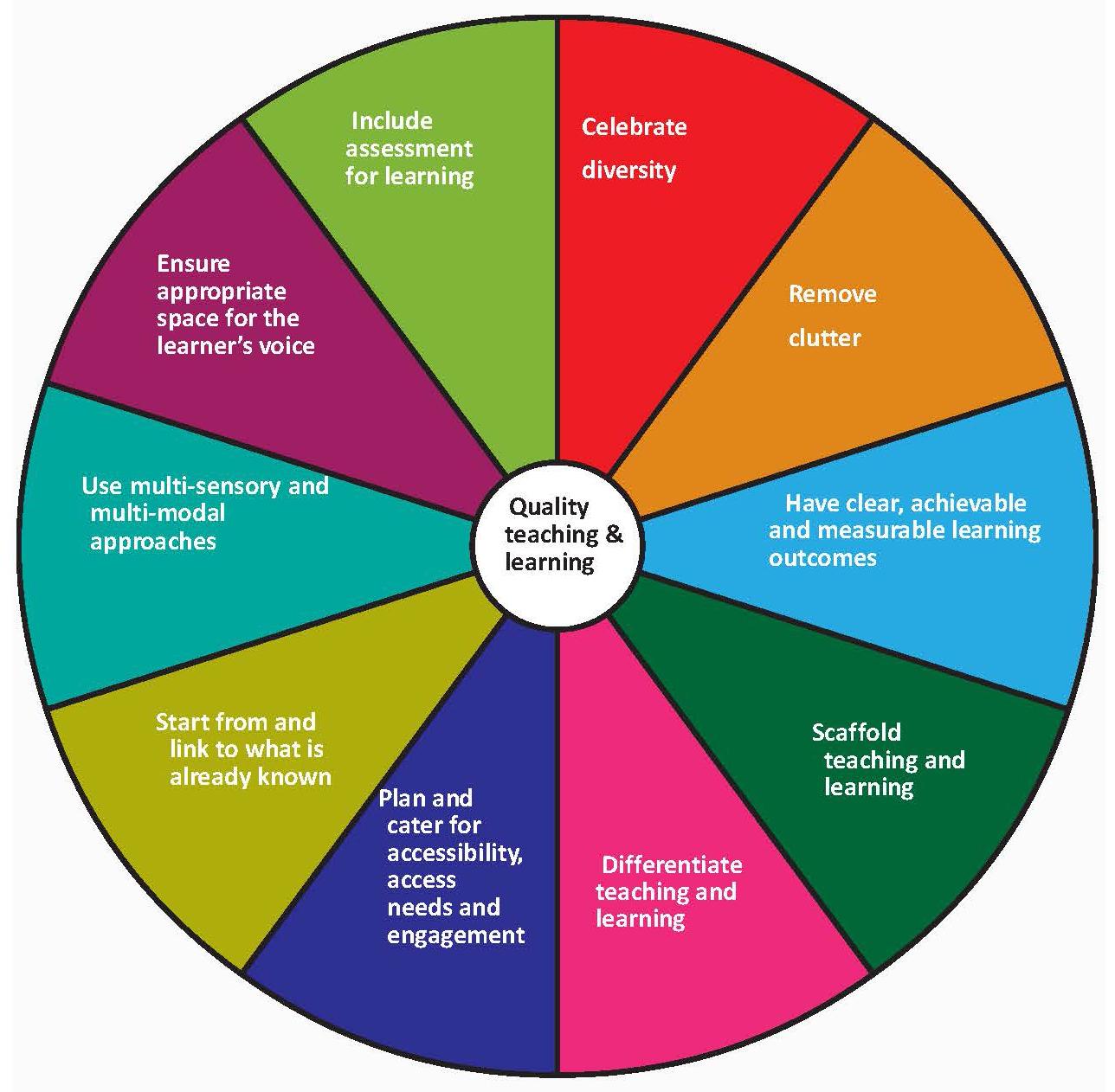
Top Policy Frameworks Supporting Inclusive Education: Strategies for Success in Diverse Classrooms
Inclusive education—the principle that all students, regardless of their abilities, backgrounds, or needs, should learn together—has become a global educational priority. As classrooms grow more diverse, both in student demographics and learning requirements, robust policy frameworks play a critical role in fostering equitable, accessible, and effective education for all.
In this article, we’ll explore top policy frameworks supporting inclusive education, discuss proven strategies for success in diverse classrooms, examine real-world examples, and offer practical advice for educators. Let’s examine how schools, policymakers, and communities can collaborate to create welcoming learning environments where every student thrives.
Understanding inclusive Education and Its Importance
Inclusive education is more than just placing students with diverse needs in mainstream classrooms. It’s about transforming learning spaces and teaching methodologies so every student,regardless of disability,gender,ethnicity,language,socioeconomic status,or talent,is valued and supported.
- Equity: Delivers fair opportunities for students to participate and succeed.
- Belonging: Fosters social-emotional growth and community engagement.
- Quality: Improves overall education standards through differentiated instruction and universal design.
As UNESCO underscores, “Inclusive education is the most effective means of combating discriminatory attitudes and building an inclusive society.”
Top Policy Frameworks Supporting Inclusive Education
Policymakers worldwide have crafted frameworks to promote and support inclusive education, drawing from both international agreements and national legislation. These policies guide implementation, funding, teacher training, and accountability mechanisms.
1. Salamanca Statement and Framework for Action (1994)
- Key Points: Signed by 92 governments and 25 organizations, the Salamanca statement established the right of every child to education, emphasizing mainstream schooling and the adaptation of schools to accommodate all learners.
- Impact: It laid the cornerstone for global inclusive education policies, influencing national laws, teacher training standards, and curriculum adaptations.
- Keyword Focus: international frameworks for inclusive education
2. United Nations Convention on the Rights of Persons with Disabilities (CRPD) – Article 24
- Key Points: Mandates “an inclusive education system at all levels” and prohibits exclusion from mainstream education based on disability.
- Impact: Over 180 countries have committed to this, aligning their laws and policies to remove barriers and provide reasonable accommodations.
- keyword Focus: rights-based inclusive education policy
3. Individuals with Disabilities education Act (IDEA) – United states
- Key Points: Guarantees free and appropriate public education in the “least restrictive environment”. mandates Individualized Education Programs (IEPs) and parental involvement.
- Impact: Sets a standard for special education and inclusion, with provisions supporting early intervention, transition, and evidence-based practices.
- Keyword Focus: national inclusive education policy
4. Education for all (EFA) and Sustainable Progress Goal 4 (SDG4)
- Key Points: EFA aimed for universal access, while SDG4 focuses on “inclusive and equitable quality education” and promoting lifelong learning opportunities.
- Impact: Drives policy change across countries, inspiring curriculum reform, gender equality, and inclusion of marginalized groups.
- Keyword Focus: global education policy frameworks
5. National and Local Frameworks
- Example: The UK’s Special Educational Needs and Disability (SEND) Code of Practice provides statutory guidance to ensure inclusive practices in schools.
- Example: Australia’s Disability Standards for Education laying out requirements for reasonable adjustment, anti-discrimination, and systemic change.
- Keyword Focus: inclusive education guidelines by country
Core Strategies for Success in diverse classrooms
While strong policy frameworks create the foundation, their success hinges on effective classroom strategies for inclusive education.
Universal Design for Learning (UDL)
- Description: UDL is a proactive approach for designing curriculum,materials,and activities that work for all learners.
-
Implementation Tips:
- Provide multiple means of representation (visuals, audio, text).
- Offer options for engagement and expression (projects, discussions, assistive tech).
- Build in flexibility to adjust pace and complexity.
- Keyword focus: universal design for inclusive classrooms
Collaborative Teaching Models
- Description: Co-teaching and teamwork between general and special education teachers to plan, instruct, and assess students together.
-
Example Strategies:
- Station teaching or parallel teaching for differentiated learning.
- Shared planning time to align instructional goals and supports.
Positive Behavioral Interventions and Supports (PBIS)
- Description: Systematic practices promoting respectful, safe, and supportive behavior while reducing exclusionary discipline.
- Impact: Encourages a sense of belonging, respect for diversity, and better academic results.
Family and Community Partnership
- Description: Engaging families and local organizations ensures culturally responsive teaching and robust support systems around students.
- How to: Host regular interaction, offer multilingual resources, and partner with community experts.
Benefits of Inclusive Education in Practice
- Improved Academic Outcomes: Diverse learners benefit from tailored instruction and peer modeling.
- Enhanced Social Skills: Exposure to different perspectives fosters empathy, cooperation, and social confidence.
- Reduced Discrimination: Inclusive classrooms challenge stereotypes and promote respect.
- Higher Teacher Satisfaction: Teachers report professional growth and deeper connections with students.
“Schools that embrace inclusive education often outperform their segregated counterparts on multiple levels of achievement and well-being.”—OECD, 2021
Case Studies: Policy to Practice
Finland: A Whole-School Approach
-
National policy emphasizes early intervention and flexible support.
-
All teachers receive ongoing training in inclusive pedagogies.
- Result: Finland consistently ranks high in equity and student engagement.
South Africa: Policy Evolution
-
The white Paper 6 on Inclusive Education sets the vision for integrating children with disabilities.
-
Progress includes resource centers, teacher development, but challenges remain in under-resourced areas.
Canada: Supporting Indigenous Learners
-
Policies include Indigenous language and cultural programs, integrating local knowledge into curriculums.
-
Partnership with community elders enhances engagement and relevance.
Practical Tips: Fostering Inclusion in Your Classroom
- Know your Learners: Use initial assessments and ongoing observation to understand each student’s strengths and needs.
- Flexible Grouping: Rotate groups to encourage mixing, mutual support, and fresh learning dynamics.
- Accessible Materials: Ensure resources are available in multiple formats (large print, Braille, audio).
- celebrate Diversity: Display student work, observe cultural festivals, and include diverse perspectives in lessons.
- Seek Feedback: Regularly ask students and families about their experiences with inclusion and adjust as needed.
Conclusion: Creating the Future of Education, Together
Inclusive education is a journey, not a destination. Robust policy frameworks are vital for ensuring every student has access to quality, engaging, and equitable learning experiences.When these frameworks are supported by effective classroom strategies, active community involvement, and a shared commitment to diversity, success in diverse classrooms becomes a reality.
By understanding and leveraging top policy frameworks supporting inclusive education—and applying proven strategies for success in diverse classrooms—schools can foster a culture where everyone belongs.
Let’s work together to build classrooms that prepare every learner for a vibrant, inclusive future!