
Top Reasons too Become a Software Engineer in EdTech: Careers, Skills & Opportunities
Are you passionate about technology and education? Becoming a software engineer in Education Technology (edtech) could be the perfect career move. As more universities, colleges, and schools embrace digital transformation, the demand for skilled professionals who can build and enhance educational platforms is soaring. This article explores the top reasons to become a software engineer in EdTech, the required skills, diverse career opportunities, and practical advice to help you land your ideal EdTech job.
Why Choose a Career in EdTech as a Software Engineer?
The Education Technology sector has experienced rapid growth in recent years, with institutions adopting innovative solutions to improve learning outcomes, streamline governance, and personalize educational experiences. Here are some compelling reasons to consider building your software engineering career in EdTech:
- Impactful Work: Develop platforms and tools that make learning more accessible and effective for millions.
- job Stability: The integration of technology into education is a lasting trend, ensuring strong demand for EdTech software engineers.
- Dynamic Habitat: Work with cutting-edge technologies such as AI, cloud computing, and mobile applications.
- Meaningful Collaboration: Partner with educators, researchers, and administrators to create real-world solutions.
- Diverse Career Growth: Opportunity to progress into roles like technical architect, product manager, or team lead in one of the fastest-growing sectors.
Key Benefits of Being a Software Engineer in Education Technology
1. Drive Positive Social Impact
As a software engineer working in EdTech at a university, college, or school, you are directly contributing to shaping the future of education. Your creations can definitely help:
- Bridge gaps in access by enabling remote and flexible learning.
- enhance personalized instruction using adaptive learning platforms.
- Support educators in delivering interactive, engaging curricula.
- Improve administration efficiency, enabling staff to focus more on teaching and student support.
2.competitive Salary and Benefits
careers in EdTech often offer attractive compensation packages. Software engineers in educational technology roles typically enjoy:
- Competitive salaries reflecting specialized skills and industry demand.
- Complete benefits, including health plans, retirement packages, and sometimes tuition reimbursement.
- flexible work arrangements, such as hybrid or fully remote positions.
3. Continuous Learning and Professional Growth
Educational institutions value innovation and learning—qualities mirrored within their tech teams. You’ll gain access to:
- Resources for professional development, including courses and certifications.
- Opportunities to experiment with emerging technologies in AI, data analytics, and platform development.
- Participation in conferences, workshops, and hackathons focused on education solutions.
4. Collaborative and Diverse work Culture
EdTech thrives on multidisciplinary teamwork. In this field, you’ll work alongside:
- Educators, instructional designers, and researchers.
- UX/UI designers and other software engineers.
- Product managers and technology leaders dedicated to advancing learning.
Essential Skills for EdTech Software Engineers
To succeed as a software engineer in EdTech, aspiring professionals should cultivate a blend of technical expertise and interpersonal skills. Leading EdTech employers—from major universities to innovative K-12 schools—typically seek candidates with the following:
Technical Skills
- Programming Languages: Proficiency in languages such as Python, Java, JavaScript, and Ruby is crucial.
- Web Development: Experience building user-amiable web and mobile applications using React, Angular, or similar frameworks.
- Database Management: Skills in SQL, NoSQL, and familiarity with scalable data storage solutions.
- Cloud Platforms: Knowledge of AWS, azure, or Google Cloud infrastructure to ensure scalable and reliable platforms.
- API Integration: Ability to connect platforms with other digital tools like Learning Management Systems (LMS), assessment modules, or SIS systems.
- Cybersecurity: Understanding best practices for protecting sensitive student and institutional data.
Soft Skills
- Problem-Solving: Approach educational challenges with creative and effective solutions.
- Communication: Work closely with diverse stakeholders, translating technical concepts for non-tech audiences.
- empathy: Design tools that address real needs of learners and educators.
- Agile Methodologies: Comfort working in fast-paced, iterative development environments.
- Attention to Detail: Ensure systems are intuitive, accessible, and reliable for all users.
Career Paths and Job Opportunities in EdTech
The EdTech sector is broad and dynamic, offering myriad openings for talented software engineers. Whether you prefer working at a large research university, a forward-thinking private school, or a college with a focus on STEM innovation, you’ll find diverse job opportunities in EdTech:
- LMS Developer: Build and optimize Learning Management Systems such as Canvas or Moodle.
- Assessment Software Engineer: Develop secure online testing and grading tools.
- Mobile App Developer: Create interactive educational apps for students and teachers.
- Data Integration Specialist: Connect disparate systems to empower data-driven decisions across institutions.
- EdTech Product Manager: Leverage engineering experience to lead the development of education solutions.
- AI in Education Engineer: Implement adaptive learning and chatbot systems powered by machine learning.
- Accessibility Developer: Focus on designing accessible learning platforms for all users, including those with disabilities.
Many EdTech software engineers begin their careers in hands-on technical roles,advancing to senior engineering,architecture,or leadership positions within schools,colleges,or EdTech companies. The transferability of your skills also means you can seamlessly move between educational and commercial sectors as your career goals evolve.
What Educational Background Do You Need?
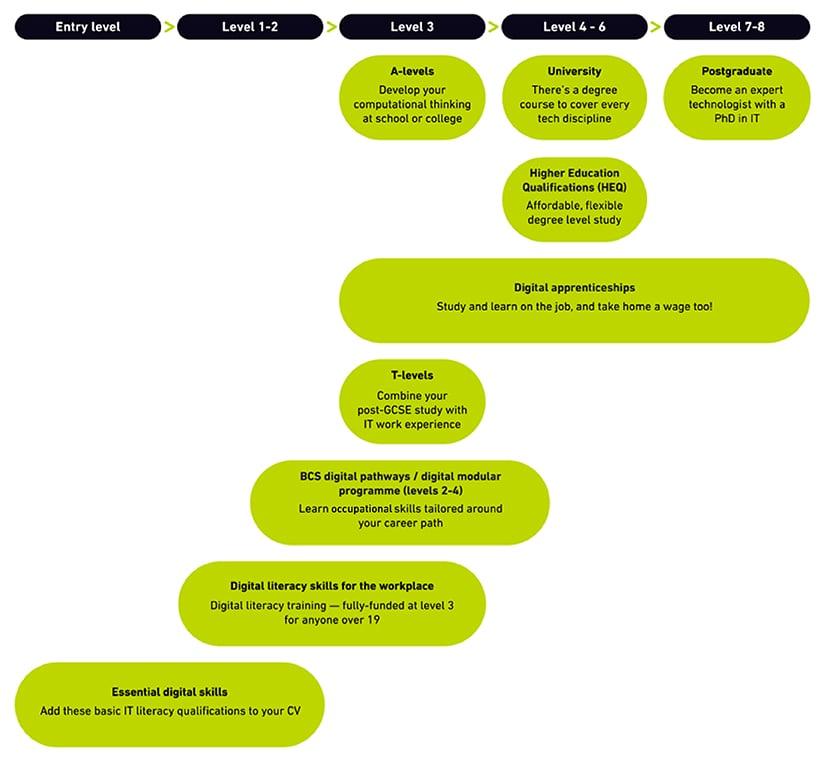
While not every employer has the same requirements, most universities, colleges, and schools look for candidates with:
- Bachelor’s degree in Computer Science, Software Engineering, Information Technology, or a related field.
- Relevant experience through internships, personal projects, or contributions to open-source edtech tools.
- Certifications in cloud computing,cybersecurity,or request development can be a plus.
Many EdTech employers value passion for education and a willingness to learn over niche academic qualifications. Demonstrating a robust portfolio or experience with educational institutions often makes you a standout candidate.
Practical tips for Landing Your EdTech Software Engineer Role
- Tailor Your Resume: Highlight projects showcasing your understanding of education systems, digital learning, or tools that enhance student engagement.
- Build a Portfolio: Develop example platforms or plugins relevant to educational settings. Open-source contributions are highly regarded.
- Network in EdTech: Attend education technology conferences,join online forums,and participate in hackathons to stay informed and connected.
- Keep Learning: Stay updated with trends in online learning, gamification, and accessibility by taking courses or attending webinars.
- Understand End users: Learn about the challenges students, teachers, and administrators face to build more impactful solutions.
Is a Future in EdTech Right for You?
If you’re curious, innovative, and passionate about using technology to make a real difference, working as a software engineer in the EdTech sector offers unmatched opportunities. You’ll not only build a rewarding career with competitive benefits but also leave a lasting mark on education for generations to come.
Conclusion: Make Your Impact as a Software Engineer in EdTech
The intersection of software engineering and education technology is filled with possibility. With the right mix of technical skills, passion for learning, and a drive to solve meaningful problems, you can thrive as a software engineer in EdTech at universities, colleges, or schools. Whether you’re just launching your career or seeking a new direction, EdTech stands out as a field where your contributions can empower learners, support educators, and shape the future of education. Start preparing today,build your skills,and join the next generation of innovators in educational technology.