
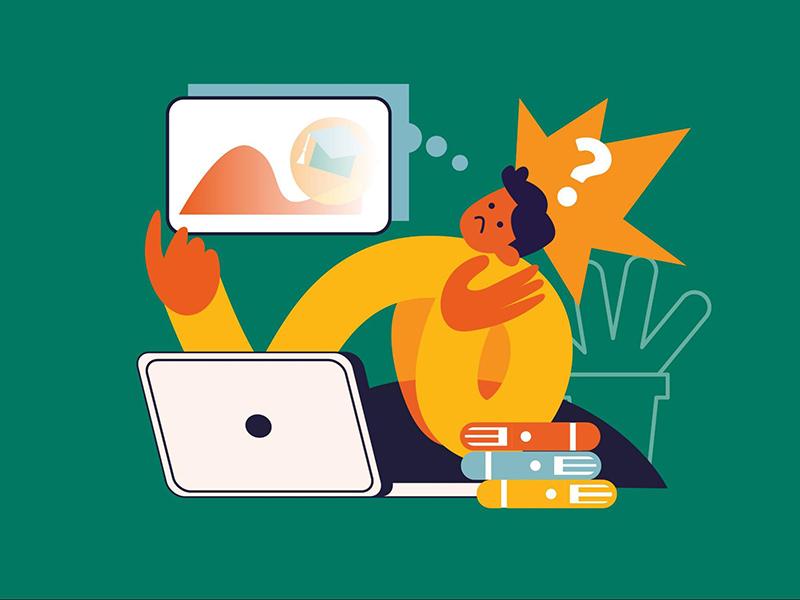
Top Skills and Career Guide for becoming an E-learning Developer
The fast-growing field of education technology has redefined how knowledge is shared within universities, colleges, and schools worldwide. Among the most sought-after roles is the e-learning developer, a professional who designs and implements engaging digital learning experiences. If you aspire to carve out a successful career as an e-learning developer in educational institutions, this guide covers all you need to know—must-have skills, job responsibilities, career pathways, benefits, and expert tips. Dive in to discover how you can build a fulfilling edtech career that shapes the future of learning!
What Does an E-Learning Developer Do?
An e-learning developer designs, creates, and maintains digital instructional content for educational platforms and online courses. These professionals collaborate with instructors, subject matter experts, and instructional designers to deliver engaging and effective e-learning experiences. Their work involves a blend of technology, pedagogy, multimedia development, and user experience design.
- Designing interactive online courses and learning modules
- Developing multimedia learning materials such as videos, simulations, and quizzes
- Ensuring accessibility and usability for diverse learner populations
- Integrating educational technology tools with Learning Management Systems (LMS) like Moodle or Canvas
- Iterating on feedback to improve digital learning products
- Supporting educators and students in the adoption of new e-learning platforms
Key Skills Required for E-Learning Developers
To become an effective e-learning developer in today’s educational landscape, you need a diverse set of skills blending technical expertise and instructional design acumen. Here are the top skills that educational institutions look for:
1. instructional Design Principles
- Understanding of adult learning theories and standards (e.g., ADDIE, Bloom’s Taxonomy, SAM)
- Ability to align learning objectives with course content and assessment strategies
- Experience building engaging, interactive, and learner-centered digital courses
2. technical Proficiency
- LMS Platforms: Practical knowledge of Learning Management Systems such as Blackboard, Canvas, Moodle, or D2L Brightspace
- authoring Tools: Expertise in rapid e-learning authoring tools like Articulate Storyline, Adobe Captivate, Camtasia, or Lectora
- Web Technologies: Basic HTML, CSS, and JavaScript skills to customize course features and solve technical issues
3. Multimedia Design and Development
- ability to create or edit graphics, animations, and audio-visual content with tools like adobe Creative suite (Photoshop, Illustrator, Premiere Pro)
- Optimizing media for web performance and accessibility standards
4. project Management
- Excellent organizational skills to manage multiple e-learning projects and meet deadlines
- Proficiency using project management tools (Asana, Trello, Jira)
- Strong interpersonal and teamwork skills to collaborate with educators, designers, and IT staff
5. assessment and Analytics
- Developing online assessments and using analytics to evaluate learner progress
- Ability to iterate on course content based on student feedback and learning data
6. Accessibility Compliance
- Familiarity with WCAG and Section 508 guidelines for accessible online learning
- Ensuring all course material is inclusive for individuals with disabilities
Educational Requirements and Certifications
While backgrounds in education, instructional design, or computer science are common among e-learning developers, there are several pathways into the field:
- Bachelor’s degree in Instructional Technology, Education, Computer Science, or related discipline
- Professional certifications such as Certified Professional in Learning and Performance (CPLP), eLearning Guild’s eLearning Instructional designer Certificate, or vendor-specific credentials (e.g., Articulate Storyline Certification)
- Online courses, bootcamps, and micro-credentials focusing on instructional design and e-learning authoring tools
Continuous learning is critical for keeping up with new trends and technologies in educational technology.
Career Pathways and Job Opportunities
The demand for e-learning developers in higher education, K-12 schools, and corporate training environments is projected to grow. Common job titles and advanced roles in this career path include:
- E-Learning Developer / E-Learning Designer
- Instructional Technologist
- Learning Experience Designer (LXD)
- multimedia Instructional Designer
- educational Technology Specialist
- Learning Management System (LMS) Administrator
- Director of Instructional technology
As you gain experience, you can advance into strategic leadership positions, specialize in niche technologies (such as AR/VR in education), or become a consultant for educational institutions seeking digital change.
Benefits of a Career as an E-Learning Developer
Working as an e-learning developer in schools,colleges,or universities offers a host of benefits:
- High Demand: Educational institutions are rapidly expanding their online and blended learning programs.
- Impactful work: You directly contribute to delivering better learning experiences and educational outcomes.
- Creative Expression: Blend technology, creativity, and pedagogy in your daily work.
- Job Flexibility: Opportunities to work on-site, remotely, or freelance.
- Career Growth: Pathways into leadership,specialization,and cross-industry roles.
Practical Tips for Aspiring E-Learning Developers
Landing your first job as an e-learning developer in education technology may seem challenging, but with a strategic approach, you can stand out from the competition. here are practical tips for building your edtech career:
- Build a Portfolio: Create sample e-learning modules or redesign existing lesson plans using tools like Articulate Storyline or Adobe Captivate. Share your work on a personal website to showcase your skills.
- Stay Current: Regularly follow edtech news,attend webinars,and participate in online learning communities to stay informed about new tools and best practices.
- Network with Professionals: Join instructional design or educational technology associations and engage with university or school edtech teams.
- Customize Your Resume: Highlight relevant technical and design skills, certifications, and your ability to work cross-functionally with educators.
- Practice Accessibility: Ensure your sample projects meet accessibility requirements to demonstrate your commitment to inclusive education.
- Show Evidence of Impact: Quantify your achievements, such as course completion rates, improved learner assessments, or positive feedback from educators.
Common Interview Questions for E-Learning Developer Jobs
Prepare for job interviews by being ready to answer questions like:
- Describe a project where you developed digital learning content from start to finish.
- How do you ensure your e-learning materials are accessible?
- Which software or LMS platforms are you familiar with? Can you share specific examples?
- How do you handle feedback and make improvements to e-learning modules?
- What trends do you see emerging in educational technology and digital learning?
Conclusion
The role of an e-learning developer is pivotal in shaping the future of education at universities, colleges, and schools. By mastering the right combination of instructional design, technical skills, and creative thinking, you can pave the way for a rewarding career in education technology. Whether you are just starting out or looking to advance, the opportunities for growth, impact, and professional satisfaction in this field are immense. Embrace continuous learning, build a strong portfolio, and join a vibrant community of educators and technologists driving innovation in digital learning.