
Top Skills and Career Guide for Senior Instructional Designers in 2024
If you’re looking to advance your career in education technology, teh role of a Senior Instructional Designer at universities, colleges, or schools can be both rewarding and impactful.As learning environments rapidly evolve, skilled instructional designers are in high demand, especially those who can adapt to new learning technologies, pedagogical trends, and the needs of diverse learners. In this comprehensive guide, we’ll cover the top skills, qualification requirements, key responsibilities, and practical career insights to help you succeed as a Senior Instructional Designer in 2024.
Why Choose a Career as a Senior Instructional Designer in EdTech?
Education technology (EdTech) is transforming how knowledge is delivered and absorbed in higher education and K-12 institutions. Senior instructional designers are at the forefront of this change, driving innovation through curriculum development, digital learning solutions, and cutting-edge teaching strategies. This role offers both creative fulfillment and meaningful impact, shaping student experiences and faculty development alike.
- High Demand: With the rise of online and blended learning, universities and schools are seeking experienced instructional designers more than ever.
- Competitive Salaries: Senior EdTech professionals often command attractive compensation packages.
- Dynamic Work Surroundings: Every project brings new challenges and opportunities for innovation.
- Impactful Contribution: Your work directly enhances learning outcomes for students and instructors.
Key Responsibilities of Senior instructional Designers
Understanding what employers expect is crucial. Here’s an overview of what’s typically included in a Senior Instructional Designer job description for universities, colleges, and schools:
- Leading the design and development of online, hybrid, and face-to-face courses
- Collaborating with faculty, subject matter experts, and technologists to create engaging curricula
- Applying instructional design models and learning theories to course development
- integrating educational technology tools (LMS, simulations, multimedia) into course delivery
- Creating learning materials including videos, interactive modules, assessments, and support documentation
- Conducting needs analyses, learner assessments, and program evaluations
- Providing mentorship and guidance to junior instructional designers and staff
- Staying current with trends in technology, pedagogy, and compliance standards (like ADA or WCAG)
Top Skills for Senior Instructional Designers in 2024
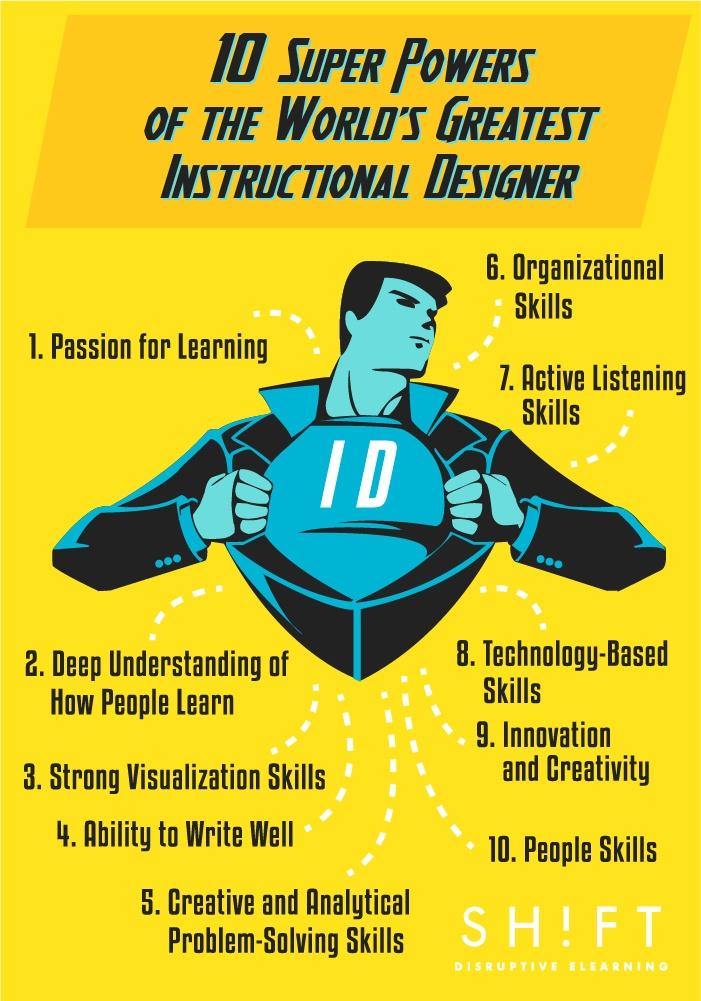
To excel in senior instructional design positions, you must demonstrate mastery in a wide range of skills encompassing instructional theory, technology integration, project management, and leadership.Below are the top skills for senior instructional designers that recruiters and employers are seeking this year:
1. Instructional Design Expertise
- deep knowledge of instructional design models (e.g.,ADDIE,SAM,Backward Design)
- Ability to apply adult learning principles in higher education environments
- Experience developing competency-based and outcomes-based curricula
2. EdTech Tools & Learning Management Systems (LMS)
- Advanced proficiency with LMS platforms (Canvas, Blackboard, Moodle, D2L Brightspace)
- Use of authoring tools like articulate Storyline, Captivate, Camtasia, or lectora
- Familiarity with multimedia creation, simulation software, AR/VR educational applications
3. Project Management & Collaboration
- Strong organizational and project management capabilities
- Ability to lead cross-functional teams and manage multiple projects simultaneously
- Familiarity with agile and iterative development practices
4. Data-Driven Approach & Assessment
- Skill in analyzing learning data and assessment results to inform course improvements
- Competence in using analytics dashboards and reporting tools to track student outcomes
5. Interaction & Interpersonal Skills
- Excellent written and verbal communication for effective collaboration across departments
- Aptitude for delivering training and workshops to faculty and instructional staff
- Responsive client service and adeptness in managing stakeholder relationships
6.Leadership & Mentorship
- Experience guiding junior designers and instructional technologists
- Ability to advocate for instructional best practices across the institution
7.Accessibility & Global Design
- Expertise in designing learning experiences that are accessible to all students
- Knowledge of ADA,Section 508,and WCAG guidelines
Top Qualifications and Certifications
Most senior instructional designer jobs in higher education require a blend of academic credentials and practical experience. Here’s what you’ll need:
- master’s or Doctoral degree in Instructional Design, Instructional technology, Education, or related field (often essential for senior-level roles)
- 3-7+ years of professional experience in instructional design or e-learning development
- Relevant certifications such as:
- Certified Professional in Learning and Performance (CPLP/ATD)
- Association for Talent Development (ATD) Instructional Design Certificate
- eLearning Guild credentials
- Documented portfolio showcasing diverse projects (sample modules, curriculum maps, multimedia assets)
Career Growth Opportunities for Senior Instructional Designers
the career pathway for senior instructional designers in EdTech is vibrant and promising.As you gain expertise and leadership, new roles may open up, including:
- Director of Instructional Design or eLearning
- Chief Learning Officer (CLO)
- EdTech Strategist or Consultant
- Faculty Development Coordinator
- Digital Learning Project Manager
Universities, colleges, and K-12 districts are increasingly valuing senior instructional designers as a strategic asset capable of shaping institutional learning cultures and digital innovation.
Benefits of Working as a Senior Instructional Designer in Higher Education and K-12
- contribute directly to the advancement of education through innovative course delivery
- Engage in continuous learning with new technologies and pedagogical methods
- work alongside thought leaders, educators, and technologists
- Enjoy flexible work arrangements, including remote or hybrid options at many institutions
- access to professional development, workshops, and research opportunities
Practical Tips for Job seekers in Senior Instructional Design Roles
Landing your next senior instructional designer job in 2024 requires a blend of targeted applications, a strong portfolio, and continuous upskilling. Here are practical tips to help you stand out:
-
Keep Your Portfolio Up to date:
Showcase a range of deliverables: course modules, video tutorials, interactive content, and analytics reports.
-
Stay Current with EdTech Trends:
Invest in professional development through webinars,certifications,and industry conferences.
-
Highlight Leadership Experience:
Demonstrate your ability to lead teams, train faculty, and influence academic strategy.
-
Customize Your Resume for Each Job:
Use keywords from the senior instructional designer job description to improve your submission’s visibility in ATS systems.
-
Network with EdTech Professionals:
Join professional associations, attend industry events, and participate in relevant online communities.
-
Prepare for Behavioral Interview Questions:
Be ready to discuss how you have solved instructional challenges or fostered innovation.
Conclusion: Succeeding as a Senior Instructional designer in 2024
As universities, colleges, and schools continue to embrace education technology, the demand for highly skilled senior instructional designers will only grow in 2024 and beyond. Success in this career combines a passion for learning, technical savvy, leadership, and a continuous drive for improvement. By mastering the top skills outlined in this career guide—along with pursuing ongoing professional development and embracing emerging technologies—you can carve out a dynamic and impactful role in EdTech.
If you’re ready to elevate your career, now is the perfect time to position yourself as a leader in instructional design. shape the future of education, inspire learners of all ages, and thrive in a role that offers both challenge and reward.