
Top Skills and Career Path: Becoming an Interaction Designer in EdTech
Are you passionate about technology and education? Do you envision yourself influencing the way students and educators interact with digital platforms in schools, universities, or colleges? If you’re seeking a rewarding career in education technology, becoming an Interaction Designer in EdTech could be your perfect fit.In this comprehensive guide, we’ll explore the top skills you need, the typical career path, practical tips for landing your dream job, and the many benefits of joining the thriving EdTech sector.
Understanding The Role: What Is an Interaction Designer in EdTech?
As an Interaction Designer in the education technology (EdTech) field, you’ll play a pivotal role in shaping how learners and educators engage with digital tools, online courses, e-learning platforms, and educational apps. Your focus will be on creating seamless, engaging, and accessible user experiences that foster better learning outcomes. Whether you’re working at a university, collage, or school, your contributions will directly impact the effectiveness and inclusivity of educational resources.
Top Skills Required for Interaction Designers in EdTech
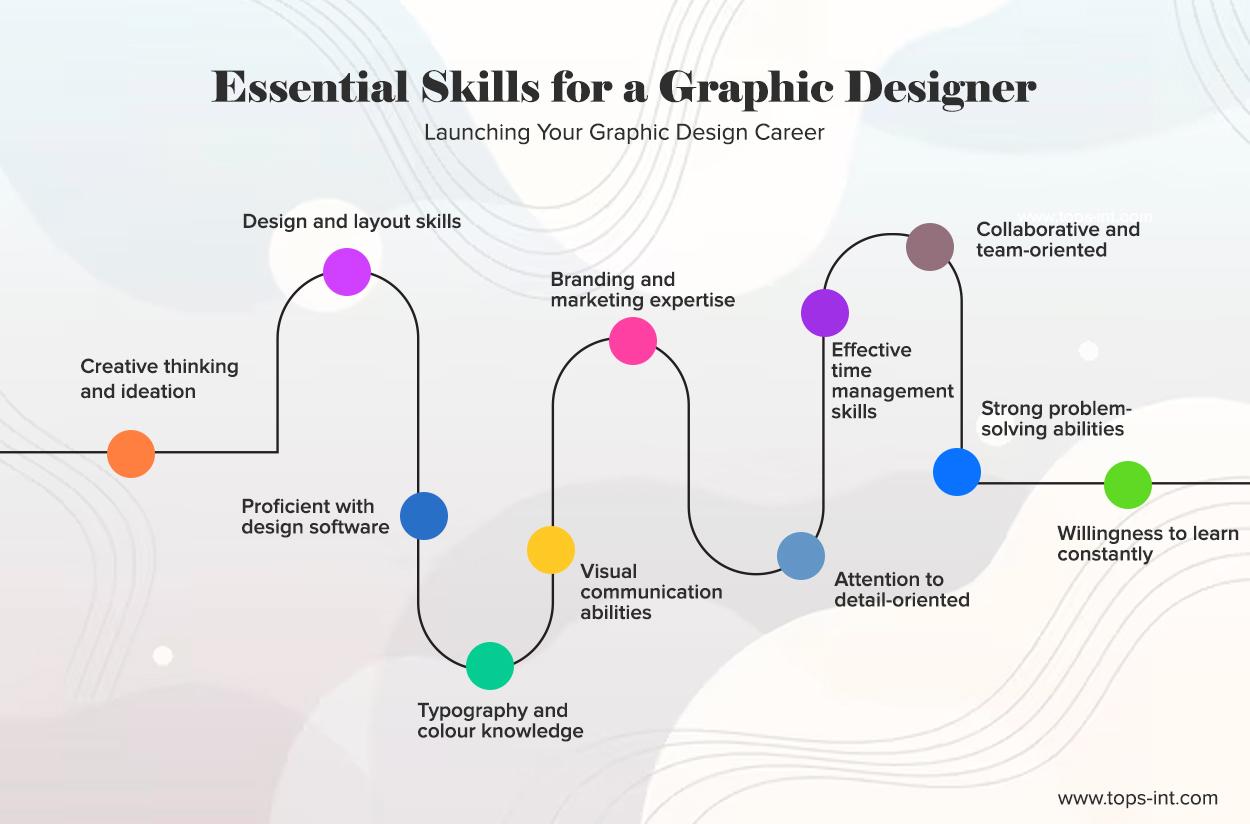
Succeeding as an interaction designer in the EdTech sector involves mastering a dynamic blend of technical, creative, and interpersonal skills. Here are the most sought-after skills that will set you apart in your job search:
- User Experience (UX) and User Interface (UI) Design: Mastery in wireframing, prototyping, and designing intuitive interfaces tailored for educational audiences.
- Usability Testing: Conducting and analyzing usability tests to ensure real users—students and educators—can easily navigate products or platforms.
- Accessibility and Inclusivity: Designing with all users in mind, including those with diverse needs or disabilities. Knowledge of WCAG (Web Content Accessibility Guidelines) is crucial.
- Educational Psychology: Understanding how people learn, process information, and interact with educational technology, to create designs that enhance learning outcomes.
- Information Architecture: Structuring content logically and clearly, so users can easily find what they need within learning management systems or digital classrooms.
- Collaborative Interaction: Working closely with educators, product managers, developers, and students to ensure solutions meet educational goals and user needs.
- Proficiency with Design Tools: Familiarity with industry-standard tools such as Figma, Adobe XD, Sketch, or Axure.
- Agile and Iterative Design: Adapting your process to fit rapid advancement cycles and ongoing feedback, common in EdTech environments.
- Understanding Educational Standards: Awareness of educational standards,curriculum requirements,and digital pedagogy.
- Basic Coding Knowledge (Optional but Beneficial): Understanding HTML, CSS, and JavaScript helps streamline collaboration with development teams.
Career Path: How to Become an Interaction Designer in EdTech
The journey to an interaction designer role in education technology typically involves several key steps:
- Build a Solid Educational Foundation: Most employers seek candidates with a bachelor’s degree in fields such as Human-Computer Interaction, Graphic Design, Education, Psychology, or Computer Science. Specialized courses in UX/UI design and educational technology are highly desirable.
- Gain Practical Experience: Internships, volunteering in school technology projects, or contributing to open-source EdTech platforms provide your first industry exposure and portfolio pieces.
- Develop a Strong Portfolio: Showcasing your interaction design projects—especially those related to education—will demonstrate your skills and help you stand out to hiring committees at universities,colleges,and schools.
- Master Design and Usability Tools: Proficiency with modern prototyping, wireframing, and usability testing tools will be expected.
- Stay Updated on EdTech Trends: EdTech is fast-evolving.Keeping up with innovations—like adaptive learning systems,gamification,VR/AR in education—signals your commitment to growth.
- Network and Engage with the EdTech Community: Participate in seminars, webinars, and online forums related to educational technology design, which can open up job opportunities and partnerships.
- Apply Strategically: Target universities, colleges, and schools with strong digital learning initiatives or EdTech research arms. Look for job titles such as “Interaction Designer,” “UX/UI Designer,” or “Learning Experience Designer” in EdTech departments or centers for digital learning.
Benefits of Working as an Interaction Designer in EdTech
Choosing a career in education technology comes with unique rewards:
- Meaningful Impact: Your work directly enables better learning, accessibility, and educational quality for diverse student populations.
- Diverse Work Environment: Collaborate with passionate educators,researchers,students,and technologists in universities,schools,and EdTech companies.
- career Mobility: skills gained in EdTech design are transferable across the tech and education industries, opening doors to roles in product management, instructional design, or user research.
- Remote and Flexible Work options: Many EdTech organizations offer remote roles,flex schedules,and opportunities for contract or project-based work.
- Continuous Learning: Stay at the forefront of digital learning technologies,innovations,and best practices.
Practical Tips for Landing Your First EdTech Interaction Designer Job
- Showcase Relevant Work: Tailor your portfolio to highlight educational projects or platforms you’ve designed. Demonstrate your understanding of student and educator needs.
- Highlight Accessibility: In interviews, be ready to discuss your approach to making digital products inclusive for all learners.
- Understand Institutional Challenges: Research your target schools, universities, or colleges. Know their current EdTech initiatives and be prepared to offer design-focused solutions to real challenges.
- Get Certified: Consider additional credentials in UX, e-learning development, or accessibility—these can make your submission stand out.
- Practise Storytelling: Effective interaction designers can communicate the value and impact of their designs.Be ready to discuss the user journey, design process, and results of your projects.
- Keep Learning: Regularly update your technical skills and stay active in online EdTech, UX, and design communities to expand your knowledge and connections.
Key Trends Shaping Interaction Design Careers in EdTech
The education technology landscape is rapidly evolving, offering new opportunities for creative interaction designers. Some game-changing trends you should know about include:
- Personalized Learning Experiences: Adaptive platforms rely on skilled designers to customize pathways that engage every learner.
- Gamification and Interactivity: Game mechanics and interactive content drive engagement—critical for modern learners.
- Mobile-First and Responsive Design: With learning happening everywhere, designers must create experiences that work seamlessly across devices.
- Increased Focus on Data-Driven Design: Using analytics to refine user experience and demonstrate the tangible impact of your work.
- Virtual and Augmented Reality: Emerging as powerful tools for immersive and experiential learning.
Conclusion: Your Pathway to Success in EdTech Interaction Design
Becoming an Interaction Designer in EdTech at a university, college, or school offers the unique possibility to blend creativity, technology, and a passion for learning. As education increasingly moves online,skilled designers are in high demand to make learning accessible,engaging,and effective for all. By acquiring the right skills,building a robust portfolio,and staying engaged with emerging trends,you’ll be well-positioned for a fulfilling and impactful career in education technology.
Start building your expertise, connect with the EdTech community, and get ready to transform the future of education—one digital interaction at a time.