
Top Skills and Career path: DevOps Engineer in Education Systems Explained
As education technology rapidly transforms how universities,colleges,and schools deliver learning,the demand for specialized technology professionals has soared. Among the most sought-after roles is the DevOps engineer in education systems. If you’re intrigued by the intersection of technology and academia, and you thrive on optimizing processes and fostering collaboration, this career path could be your calling. This extensive guide will walk you through the top skills, responsibilities, career trajectory, and practical tips for landing and excelling in DevOps engineering roles in education technology.
Why DevOps Matters in Education Technology
Educational institutions rely on seamless digital experiences—be it for online classrooms, administrative platforms, or learning management systems. A DevOps Engineer in EdTech ensures that these platforms remain robust, scalable, and secure, facilitating uninterrupted learning and efficient governance. Their impact ranges from automating software deployments to maintaining cloud infrastructure and championing security best practices, all central to modern education environments.
Core Responsibilities of a DevOps Engineer in EdTech
The DevOps Engineer role is multifaceted, requiring a blend of technical prowess and strategic thinking. In the context of schools, colleges, and universities, typical responsibilities include:
- Designing and implementing CI/CD pipelines for faster and safer software releases
- Managing and optimizing cloud infrastructure for scalability and cost-effectiveness
- automating environment setup, deployment, and routine IT tasks
- Enhancing system security to safeguard sensitive academic and administrative data
- Monitoring system performance and proactively resolving incidents
- Collaborating with developers, IT staff, and educators to translate requirements into robust solutions
- Supporting disaster recovery and backup strategies for institutional data
- Championing best practices for infrastructure as code (IaC) and containerization (e.g., Docker, Kubernetes)
- Maintaining thorough documentation and contributing to knowledge sharing within IT teams
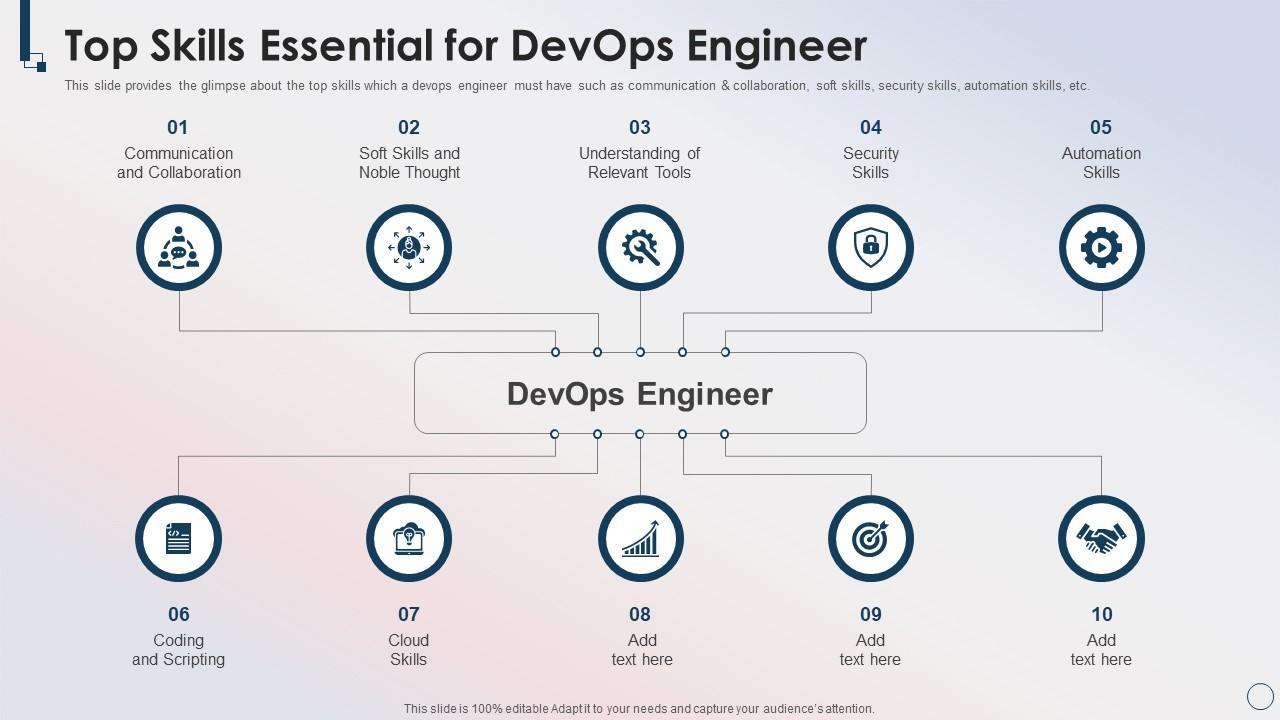
Top Skills Needed for DevOps Engineers in Education Technology
Prosperous DevOps Engineers in education systems merge technical knowledge with excellent dialog and problem-solving skills. Here are the key competencies you should develop:
1. Cloud Platforms & Infrastructure
- Hands-on experience with AWS, Azure, or Google Cloud
- Familiarity with hybrid cloud or on-premise-to-cloud migrations, common in educational institutions
2. Automation & scripting
- Proficiency in scripting languages such as Python, Bash, PowerShell
- Experience with configuration management tools (Ansible, Puppet, Chef)
3. CI/CD Pipeline Management
- Building, maintaining, and optimizing pipelines using Jenkins, CircleCI, GitLab, or similar
- Automating testing, deployment, rollback, and monitoring processes
4. Containerization & Orchestration
- Deep knowledge of docker, Kubernetes, and container orchestration workflows
- Understanding of security best practices for containerized applications
5. Security and Compliance
- Implementing security protocols and access controls critical to protecting student and faculty data
- Staying updated on relevant data privacy standards (FERPA, GDPR for international programs)
6. Monitoring and Incident Response
- Setting up alerts, dashboards, and automated responses with tools like Prometheus, Grafana, New Relic
- Troubleshooting and root cause analysis for service disruptions
7. soft Skills
- Effective communication with tech and non-tech stakeholders
- Strong documentation habits and knowledge-sharing
- Problem-solving, adaptability, and a strong focus on process advancement
Career Path: steps to Become a DevOps Engineer in Education systems
Mapping a DevOps Engineer career path in educational technology requires both formal education and practical experience. Here is a structured progression:
- Earn a relevant Degree: Most employers look for a bachelor’s degree in computer science, data technology, or related fields.
- Gain Foundational IT Experience: Start with roles like System Administrator, Network Engineer, or Junior Developer. Exposure to the education sector is a plus.
- Master DevOps Tools and Practices: Engage in hands-on projects, open-source contributions, or internships specifically within education technology.
- Pursue Certifications: Consider certifications like AWS Certified DevOps Engineer, docker certified Associate, or kubernetes Administrator.
- Target EdTech Organizations: Seek out roles at universities, colleges, or school districts seeking to modernize their IT infrastructure and learning platforms.
- Expand Leadership Skills: With experience, advance to senior DevOps or IT management roles, potentially influencing school-wide or campus technology strategy.
Continuous learning through workshops, networking within EdTech circles, and keeping up with emerging education technologies will speed up your progress.
Benefits of Working as a DevOps Engineer in Education Technology
Choosing a DevOps Engineer role in education technology delivers unique advantages:
- Impactful Work: Directly supports teachers, students, and staff through reliable, scalable technology.
- Job Stability: Educational institutions provide long-term stability and a consistent demand for tech talent.
- Technology Diversity: Exposure to both legacy and cutting-edge technologies, including cloud computing, AI in education, and next-gen learning tools.
- Professional Growth: Opportunities for specializations in cloud,security,or DevSecOps,and movement into leadership or architecture positions.
- Work-Life Balance: Educational organizations often offer flexible schedules,excellent benefits,and a positive working environment.
Practical Tips for Aspiring DevOps Engineers in EdTech
- Customize Your Resume and Portfolio: Highlight prior experience with educational platforms, information security, and automation projects relevant to the academic context.
- Network with EdTech Professionals: Participate in educational technology events, conferences, or online communities to stay current and hear about new opportunities.
- Showcase Problem-Solving Skills: Prepare examples of how you’ve resolved incidents or improved deployment processes to ensure system reliability for educators and students.
- Stay Updated: follow the latest trends in remote learning, cloud adoption, and educational data privacy to stand out as a candidate.
- Pursue Internships: Getting hands-on experience with a university IT department or EdTech company gives you an edge over the competition.
Conclusion: Your Future as a DevOps Engineer in Education Technology
The future of education is digital, and DevOps Engineers are crucial to creating environments where technology enhances learning.If you are passionate about technology and want to make a real difference in the education sector,mastering the right skills and following a targeted career path will set you up for long-term success. Whether you aspire to work at a major university, forward-thinking college, or innovative school, the opportunities for DevOps Engineers in education systems are abundant and rewarding. Begin your journey today, and become a key player in educational conversion!