
Top Skills and Career Path for a Project Manager in EdTech: Your Guide to Success
Introduction
Are you passionate about educational technology and eager to drive transformative change in universities, colleges, or schools? The role of a Project Manager in EdTech is both dynamic and pivotal, blending technical expertise, leadership, and a deep understanding of learning technologies. If you’re considering a career in education technology management, this guide will walk you through the top skills you need, the typical career path, benefits of the role, and actionable tips to launch your journey toward becoming a standout EdTech Project Manager.
What does a Project Manager in EdTech Do?
Project Managers in education technology oversee the planning, execution, and delivery of technology-driven projects aimed at enhancing the learning experience. Their responsibilities bridge the gap between educational staff, IT teams, and stakeholders to implement software tools, e-learning platforms, and digital solutions within educational institutions.
- Managing timelines, budgets, and resources for EdTech initiatives
- Coordinating between teachers, administrators, and IT departments
- Ensuring alignment with academic goals and educational standards
- Facilitating training and adoption of new technologies
- Monitoring project outcomes and assessing technology impact on learning
Top Skills Required for a Project Manager in EdTech
To thrive as a Project Manager in education technology, you need a balanced mix of technical, managerial, and soft skills. Here are the key competencies highly sought after by employers in universities, colleges, and schools:
technical Skills
- EdTech platforms: Familiarity with Learning Management Systems (like Moodle, Canvas, Blackboard), classroom technologies, and digital content authoring tools.
- Software Project Management tools: Proficiency with Jira, trello, Asana, or Microsoft Project to manage tasks and timelines effectively.
- Basic IT Knowledge: Understanding of software progress cycles, integrations, and troubleshooting common EdTech issues.
- Data Analysis: Ability to interpret user data and feedback to guide decision-making and improve project outcomes.
Project Management Skills
- Agile Methodologies: Experience managing agile projects, including sprint planning and working with cross-functional teams.
- Risk Management: Identifying, assessing, and mitigating project risks.
- budgeting and Resource Allocation: Keeping projects within scope and on budget.
Leadership and Communication
- Stakeholder Management: Building consensus among diverse teams including educators, IT professionals, and administrators.
- Training and Presentation: Comfort delivering workshops or presentations to faculty and staff.
- Conflict Resolution: Navigating different perspectives to keep projects moving forward smoothly.
- Adaptability: Staying flexible in response to shifting priorities or technological advancements.
educational Insight
- Understanding of Educational Pedagogy: Awareness of current educational theories and how technology enhances teaching and learning outcomes.
- Change Management: Guiding institutions through the cultural and operational shifts technology can bring.
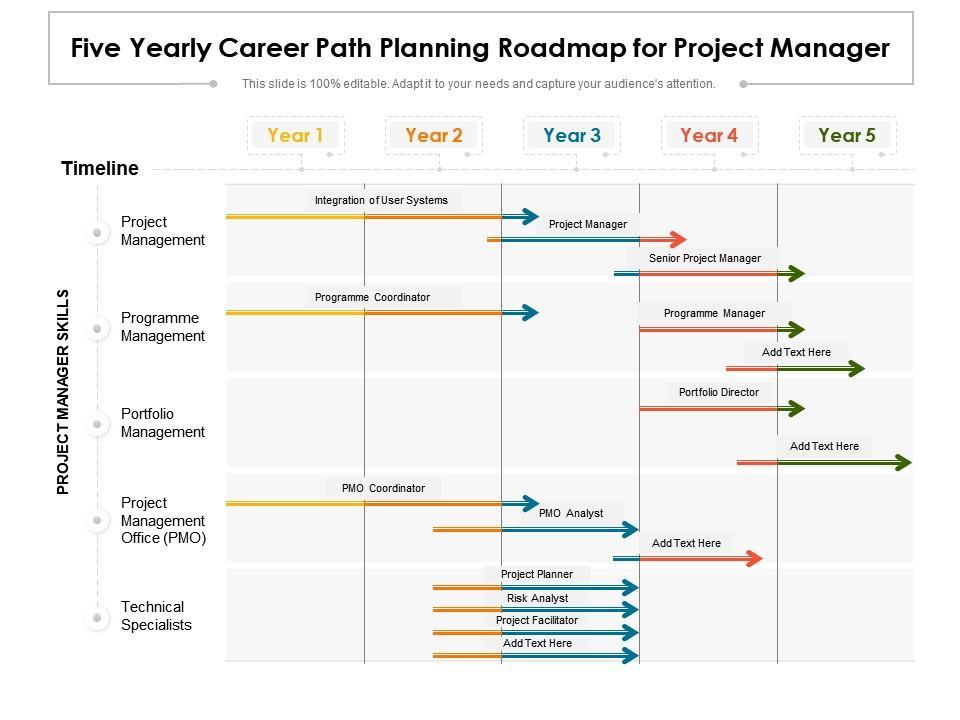
Career Path: From Entry-Level to Senior Project Manager in EdTech
The journey to becoming a Project Manager in EdTech can start from various roles within education, IT, or project coordination.Here’s a typical career trajectory in the education technology space:
- Entry-Level Roles: Positions such as EdTech Support Specialist, Instructional Technologist, or IT Project coordinator. These roles provide foundational experience working with learning technologies, supporting users, and understanding institutional needs.
- Junior Project Manager/Project Assistant: Assists senior project managers on larger implementations, gaining hands-on project management and communication experience.
- project Manager in EdTech: Manages small to mid-sized EdTech projects independently, leads digital transformation initiatives within faculty or across multiple departments, and begins to specialize in certain EdTech solutions.
- Senior Project Manager/Programme Manager: Oversees large-scale programs,mentors junior staff,influences EdTech strategy,and collaborates on institution-wide technology adoption.
- EdTech Director or Head of Educational Technology: sets the vision for technology in learning across the entire institution, leads teams, and shapes digital education policy.
While a background in education, IT, or project management is helpful, many universities and schools value practical EdTech project experience, certifications such as PMP (Project Management Professional) or PRINCE2, and a passion for leveraging technology to improve learning outcomes.
Key benefits of Being a Project Manager in EdTech
- Impactful Work: Directly shape how students and educators interact with technology, driving meaningful changes in learning.
- Versatility and Career Growth: Opportunities to work in K-12 schools, higher education, EdTech startups, or corporate training environments.
- Continuous Learning: Stay at the forefront of innovation in both the education and technology sectors.
- Strong Network: Build relationships with leaders in academia, IT, educational research, and software development.
- Competitive Salaries and Benefits: Project Managers in EdTech can frequently enough command higher salaries due to the specialized expertise required.
Practical tips for Landing an EdTech Project Manager Role
- Gain Relevant Experience: Volunteer for EdTech projects at your current educational institution, or freelance on technology rollouts to build a hands-on portfolio.
- Earn Certifications: Certifications like PMP,PRINCE2,or Agile Scrum Master can substantially boost your credibility.
- Showcase a Blended Skillset: Highlight both your technology and educational experience—employers value candidates who speak both “ed” and “tech”.
- Stay Informed: Keep up-to-date with the latest EdTech trends, tools, and educational best practices by attending conferences, webinars, or subscribing to relevant publications.
- Network: Join professional organizations like ISTE (International Society for Technology in Education),and participate in edtech networking events or online forums.
- Demonstrate Results: When interviewing, prepare stories that showcase your ability to deliver projects on time, within budget, and with positive educational outcomes.
- Focus on Soft Skills: communication, leadership, adaptability, and problem-solving are just as crucial as technical knowledge.
Essential tools for EdTech Project Managers
modern Project Managers in education technology leverage various tools to ensure project success. Here are some industry staples:
- Project Collaboration: Slack, Microsoft Teams, Google Workspace
- Task Management: Trello, Asana, Jira
- Reporting & Analytics: Tableau, Power BI, or built-in LMS reporting features
- Product Demos and training: zoom, Google Meet, or screen recording tools like Loom
- Document Management: SharePoint, Dropbox, Google Drive
Familiarity with these tools can give aspiring Project Managers in EdTech a notable advantage in day-to-day operations and stakeholder communications.
Conclusion
The field of education technology is rapidly growing, and the demand for skilled Project Managers in EdTech is stronger than ever. By developing a broad skill set that includes technical expertise, project management know-how, and a genuine passion for driving educational innovation, you can carve out a rewarding and impactful career in universities, colleges, or schools. Stay curious, keep learning, and always prioritize collaboration—your journey toward EdTech success starts now!