
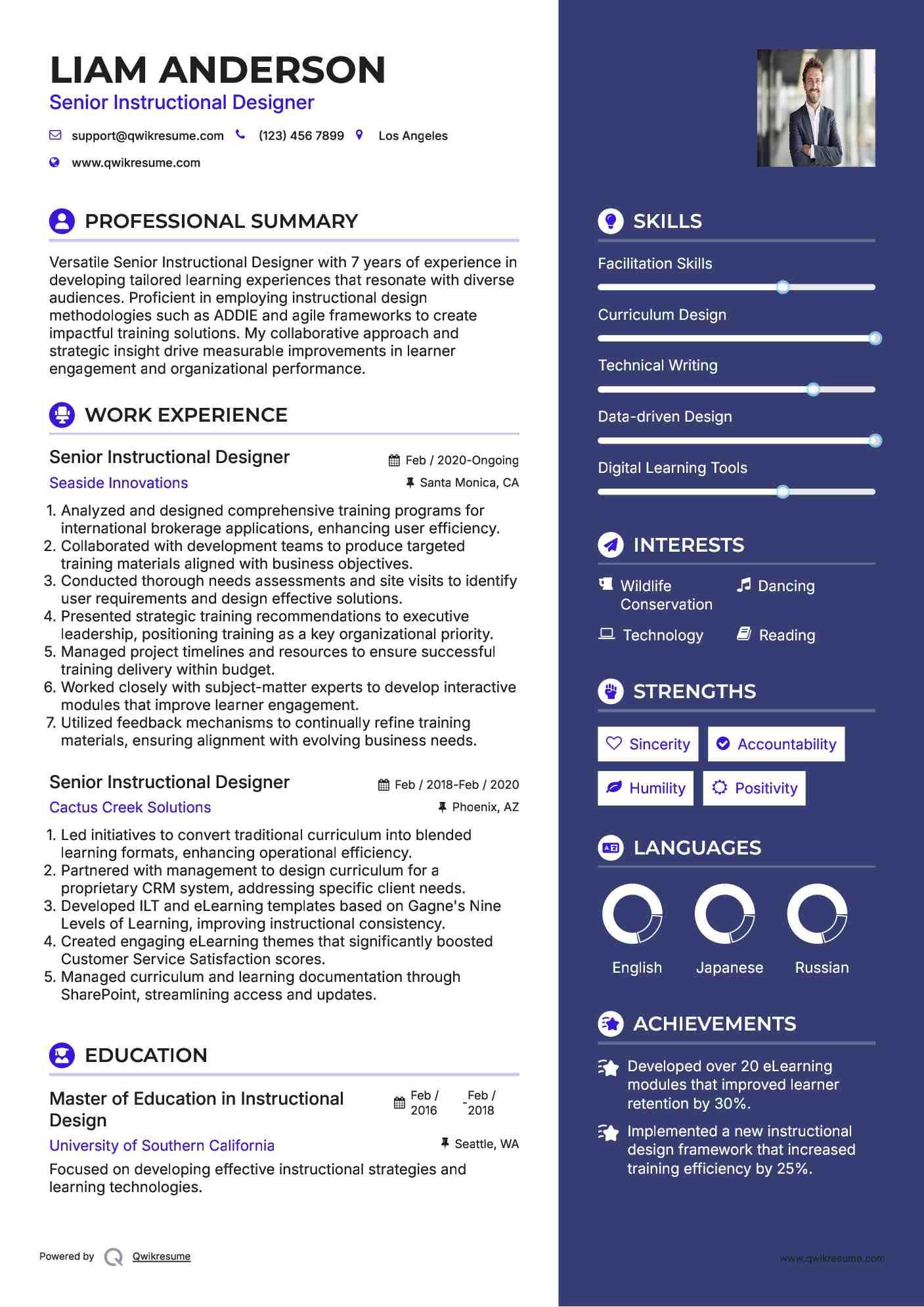
Top Skills and Qualifications Needed to Become a Senior Instructional Designer
Are you considering a career as a Senior instructional Designer in education technology? Universities, colleges, and schools are continuously seeking innovative professionals who can enhance learning through effective instructional design. Whether you’re aiming to develop digital courses, manage blended learning initiatives, or lead eLearning projects, this role requires a unique blend of technical expertise, educational knowledge, and soft skills. In this in-depth guide, we’ll explore the key skills and qualifications needed to become a Senior Instructional Designer, highlight the benefits of this career, and provide practical tips for aspiring candidates.
Why the Role of a Senior Instructional Designer Is in High demand
The demand for Senior Instructional Designers has soared with the rapid integration of technology into education.Schools, colleges, and universities are investing in virtual classrooms, online learning platforms, and digital resources to meet the needs of today’s learners. Instructional Designers play a vital role in shaping these experiences by designing, developing, and evaluating effective learning solutions.
Core Skills Required for Senior Instructional Designers
1. Expertise in Learning Theories and Instructional Design Models
- Deep Understanding of Learning Theories: Senior Instructional Designers must be well-versed in adult learning (andragogy), constructivism, Bloom’s Taxonomy, and other theories.
- Instructional Design Models: Proficiency with models such as ADDIE, SAM, Dick and Carey, and Rapid Prototyping is essential for designing effective educational experiences.
2. Advanced Technical Skills
- eLearning Growth Tools: Mastery of software like Articulate Storyline, Adobe Captivate, Lectora, and Camtasia is a must.
- Learning Management Systems (LMS): Experience with platforms such as Moodle, Blackboard, Canvas, and D2L Brightspace sets candidates apart.
- Multimedia Production: Ability to create and edit audio, video, and graphics elevates the quality of digital content.
- Basic Coding: Understanding of HTML5, CSS, and JavaScript is increasingly valuable for customizing online courses.
3.Project Management Abilities
- Agile and waterfall Methods: Senior Instructional Designers frequently enough manage complex projects using established project management frameworks.
- Time and Resource Management: Delivering projects on schedule and within budget requires excellent planning skills.
- Team Leadership: Leading cross-functional teams, collaborating with subject matter experts, and mentoring junior designers are typical responsibilities.
4.Assessment and Evaluation Skills
- Data-Driven Decision Making: Using assessment data to inform course improvements and measure learning outcomes is crucial.
- Formative and Summative Assessments: Designing valid and reliable assessments for various learning environments.
5. Communication and Interpersonal Skills
- Stakeholder Collaboration: Working closely with faculty, administrators, and technical staff to align learning solutions with institutional goals.
- Training Abilities: Providing workshops, tutorials, and support for educators and students on new technologies and instructional strategies.
- Clear Documentation: Producing user guides, design documents, and training materials with clarity and accuracy.
Essential Qualifications for Senior Instructional Designers
1. Educational Background
- Master’s Degree: Moast universities and colleges prefer candidates with a master’s degree in Instructional Design, Education Technology, Curriculum Development, or a related field.
- Relevant Certifications: Certifications such as Certified Professional in Learning and Performance (CPLP), Association for Talent Development (ATD), or eLearning Guild credentials are beneficial.
2. Professional Experience
- Proven Track record: At least 3-5 years of experience in instructional design or related roles,with a portfolio showcasing triumphant projects in higher education or K-12 settings.
- Leadership Roles: Experience leading teams or managing significant instructional projects demonstrates readiness for a senior position.
3. Continuous Professional Development
- Staying Current: Commitment to ongoing learning—attending workshops,webinars,and conferences related to educational technology and instructional design best practices.
- research and Innovation: Involvement in research projects or publications in the field demonstrates thought leadership and initiative.
Other Valuable Skills for Success in EdTech Instructional Design
- Cultural Competence: Ability to design inclusive, accessible learning experiences for diverse student populations.
- Problem-Solving: Tackling challenges such as limited resources, varied learning needs, or rapid technological changes.
- Analytical Thinking: using analytics and feedback to iterate and refine learning solutions.
- Adaptability: Thriving in fast-paced environments where technology, pedagogy, and institutional priorities are constantly evolving.
Benefits of a Senior Instructional Designer Career in Education Technology
Choosing a career as a Senior Instructional Designer offers numerous professional and personal benefits:
- High Impact: Contribute directly to improved educational outcomes and learner engagement.
- Job Stability: The growing emphasis on digital learning ensures continued demand for skilled designers.
- Career Advancement: Opportunities to move into leadership,director,or consultancy roles within educational institutions.
- Meaningful Work: Enhance accessibility and equity in education by designing inclusive, effective learning experiences.
- Competitive Compensation: Senior Instructional Designers in higher education and K-12 frequently enough receive attractive salary packages and benefits.
Practical Tips for Aspiring Senior Instructional Designers
If you’re eager to become a Senior Instructional Designer in universities, colleges, or schools, consider these practical steps to accelerate your journey:
- Build a Strong Portfolio: Showcase a variety of projects, from eLearning modules to instructor-led training materials and microlearning solutions.
- Gain Hands-on Experience: Volunteer for pilot projects, internships, or freelance roles to develop real-world skills in instructional design and educational technology.
- Network with Industry Leaders: Join professional organizations,attend conferences,and participate in online communities focused on instructional design and EdTech.
- Earn Relevant Certifications: Pursue accredited certifications to validate your expertise and increase your marketability.
- Stay Up to Date: Regularly review emerging technology trends, pedagogical strategies, and new tools in education technology.
- Request Feedback: Solicit feedback from peers, mentors, and end-users to refine your design approach.
Conclusion: Take the Next step Toward a rewarding EdTech Career
Senior Instructional Designers are at the forefront of educational innovation,shaping the way students and educators interact with technology in the classroom and online. By cultivating a robust mix of technical abilities, educational theory, and leadership skills, you can position yourself as a valuable asset in universities, colleges, and schools. Focus on building both your practical experience and theoretical knowledge, stay proactive about professional development, and connect with the broader EdTech community.By doing so, you’ll be well-prepared to secure—and excel in—a rewarding role as a Senior Instructional Designer in education technology.
ready to take your career to the next level? Start building the skills and qualifications that will set you apart in this dynamic and impactful field.