
Top Skills and Responsibilities of a Back-End Developer in EdTech: A Career Guide
Are you passionate about technology and education? Do you aspire to play a pivotal role in shaping learning experiences at universities, colleges, or schools? If so, a career as a back-end developer in education technology (edtech) might be your ideal path. In this comprehensive career guide, we’ll explore the essential skills, key responsibilities, benefits, and practical tips to help you succeed as a back-end developer in the ever-evolving EdTech landscape.
Introduction: The Importance of Back-End Growth in EdTech
Education technology has transformed how institutions deliver teaching and learning. At the heart of every robust EdTech platform lies the work of back-end developers who ensure that applications are secure, scalable, and able to integrate complex data and user interactions seamlessly. Universities, colleges, and schools rely on these specialists to power their learning Management Systems (LMS), student portals, assessment tools, and interaction apps.
Back-end developers in EdTech play a crucial role in making digital education accessible, reliable, and innovative. By understanding what this role entails, job seekers can position themselves for success and make a tangible impact within educational institutions.
Core Responsibilities of a Back-End Developer in EdTech
Back-end developers in educational technology handle the infrastructure and under-the-hood processes that power digital learning platforms. Their responsibilities include:
- Designing and Implementing Server-Side Logic: Building the core application logic that handles requests, processes data, and powers user interactions.
- Database Management: Creating, maintaining, and optimizing databases to store course materials, student records, grades, and analytics.
- API Development and Integration: Designing APIs for front-end consumption and integrating third-party educational tools like video conferencing, assessment, or content providers.
- Ensuring Security and Compliance: Implementing robust authentication, authorization, and data privacy measures in accordance with educational standards (such as FERPA or GDPR).
- Performance Optimization: Analyzing and improving application performance to handle high traffic and large scale data efficiently.
- Troubleshooting and Debugging: Diagnosing,resolving,and preventing back-end issues related to scalability,reliability,and functionality.
- Collaboration: Working with front-end developers, product managers, instructional designers, and IT teams to deliver seamless digital learning experiences.
- Deployment and Maintenance: Overseeing the deployment process and ensuring applications are updated and running smoothly after release.
Top Back-End Developer Skills for Success in EdTech
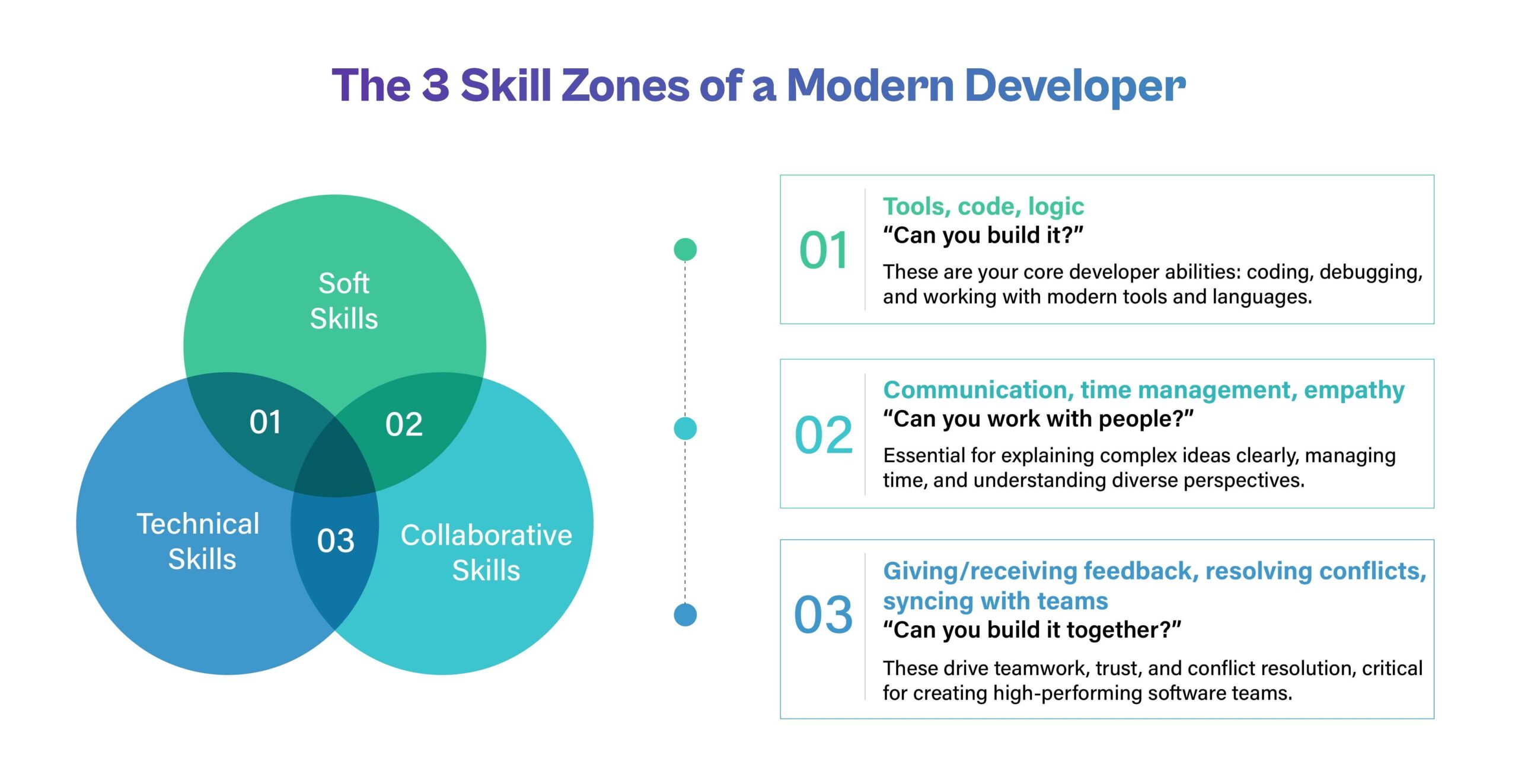
EdTech back-end developers are expected to possess a robust technical skill set,as well as soft skills required for working in academic environments. Key skills include:
Technical Skills
- Programming Languages: Proficiency in one or more back-end languages such as Python, Java, PHP, Ruby, or Node.js is essential.
- Database Technologies: Knowledge of SQL databases (MySQL, PostgreSQL) and NoSQL databases (MongoDB, Elasticsearch).
- API Design and RESTful Services: Expertise in creating and documenting APIs for front-end integration and external tools.
- Cloud Computing: Experience with cloud platforms like AWS, Azure, or Google Cloud in hosting and scaling educational platforms.
- Security Best Practices: Understanding of encryption, secure communication, and data privacy measures relevant to educational data.
- Version Control Systems: Proficiency with Git and collaborative workflows.
- Testing and Debugging Tools: Ability to use automated testing frameworks to ensure code reliability and maintainability.
Soft Skills
- Problem-Solving: Tackling complex technical challenges in learning technologies.
- Communication: Collaborating cross-functionally with educators, designers, and IT staff.
- Attention to Detail: Ensuring accuracy and compliance with educational standards.
- Adaptability: Staying current with emerging technologies and evolving educational needs.
- Project Management: Managing priorities and delivering results within academic calendar constraints.
In-Demand Technologies and Tools in EdTech Back-End Development
To land a back-end development job at a university, college, or school, familiarity with the following technologies can set you apart:
- LMS Platforms: Moodle, Canvas, Blackboard
- Frameworks: Django (Python), Spring Boot (Java), Express.js (Node.js), Laravel (PHP)
- Containerization & Orchestration: Docker, Kubernetes
- Authentication & Authorization: OAuth2, SAML, JWT
- Data Analytics: Integrating with tools for usage tracking, performance analytics, and reporting
- Continuous Integration/Deployment: Jenkins, Travis CI, GitHub Actions
Benefits of Working as a Back-End Developer in Education Technology
Pursuing a career in EdTech comes with unique advantages:
- Meaningful work: Your contributions directly impact student learning and educational outcomes.
- Job Stability: Educational institutions often provide stable employment and long-term career growth.
- Opportunities for Advancement: Growth into senior development roles,system architecture,or technical leadership positions.
- Collaborative Environment: work with multidisciplinary teams focused on positive change.
- Cutting-Edge Technology: Exposure to innovative tools and platforms shaping the future of education.
- Work-Life Balance: Many universities and schools offer flexible working arrangements and benefits.
Practical Tips for Job Seekers: Landing Your EdTech Back-End Developer Role
If you’re preparing to apply for back-end developer jobs in education technology, use these practical tips to enhance your candidacy:
- Build a Portfolio: Include projects involving educational applications, contributions to open-source EdTech projects, or personal LMS implementations.
- Gain Domain Knowledge: Familiarize yourself with common challenges faced by educators, such as privacy, accessibility, and curriculum management.
- Highlight Relevant Skills: Tailor your resume and cover letter to emphasize experience with LMSs, API development, database management, and education-specific compliance.
- Stay Up-to-Date: Follow EdTech blogs, attend webinars, and keep learning about new frameworks and technologies in education.
- Leverage Networking: Engage with professionals at education technology conferences, workshops, and online communities.
- Prepare for Interviews: Be ready to discuss how you would solve real-world problems, such as integrating new tools into an existing LMS or enhancing data privacy for students.
- Showcase Soft Skills: Demonstrate teamwork, clear communication, and adaptability during your application process.
Career Paths and Advancement Opportunities in EdTech Back-End Development
Starting as a back-end developer in the EdTech sector opens several career doors, including:
- Senior Developer / Lead Developer: Oversee technical strategy and mentor junior staff within universities or school districts.
- Solutions Architect: Design large-scale systems for multi-campus or district-wide education technology infrastructure.
- DevOps Engineer: Specialize in deploying and maintaining EdTech applications across distributed environments.
- Product Manager: Transition into roles managing the entire lifecycle of educational technology products.
- Consultant or Trainer: Advise institutions on implementing best practices in back-end development and security.
Conclusion: Preparing for a Rewarding Back-End Developer career in EdTech
Back-end development in the education technology sector offers an exciting blend of technical challenges and meaningful impact. Whether you aim to work at a prestigious university, a dynamic college, or an innovative K-12 school, mastering the essential skills, embracing key responsibilities, and staying attuned to advancements in EdTech will position you for lasting career success.By applying the practical tips and insights outlined in this guide, you can confidently pursue your goal of becoming a valued back-end developer and help shape the future of education for generations to come.
Ready to start your EdTech career journey? Equip yourself with the right tools, knowledge, and mindset to thrive as a back-end developer in education technology. The opportunities are waiting — it’s time to unlock your potential and make a difference in the digital classroom.