
top Skills and Responsibilities of a Client Onboarding Manager in EdTech
The rapid conversion of the education sector through technology has created an increasing demand for EdTech professionals in schools, colleges, and universities. Among these, the role of a Client Onboarding Manager in EdTech stands out as crucial for ensuring smooth integration and adoption of digital solutions in educational institutions. In this extensive guide, we’ll explore the essential skills, primary responsibilities, benefits, and practical tips for aspiring candidates keen on excelling in this pivotal position.
Understanding the Role of a Client Onboarding Manager in EdTech
A Client Onboarding Manager in the education technology industry serves as the primary liaison between EdTech companies and educational institutions. They coordinate the seamless transition from prospect to active user, guiding clients through product implementation, training, and early support. If you’re passionate about education and technology,this role provides an exciting blend of project management,customer service,and technical know-how.
Core Responsibilities of a Client Onboarding Manager in EdTech
The core responsibilities of a Client Onboarding Manager touch multiple facets of customer experience, product knowledge, and interdepartmental coordination. Here are the main duties involved:
- Guiding New Clients Through the Onboarding Process: Proactively engage with schools, colleges, or universities to introduce the edtech solution, set clear expectations, and develop an onboarding timeline.
- Coordinating Implementation: Work closely with technical teams, administrators, and faculty to ensure seamless product setup, configuration, and integration with existing systems such as LMS or SIS.
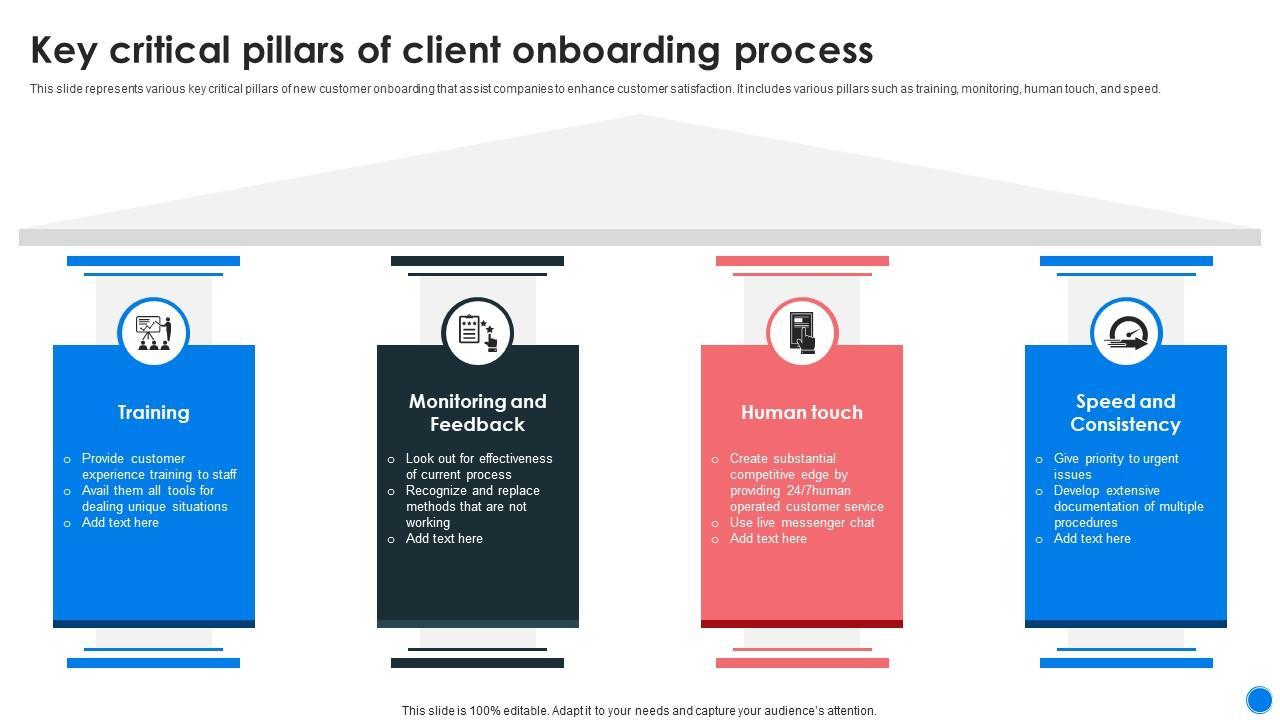
- Providing training and Resources: Organize and deliver product training sessions—either virtual or in-person—tailored to educators, IT staff, and administrators for successful adoption.
- Monitoring Onboarding progress: Track key metrics, gather client feedback, and address concerns throughout the onboarding journey, ensuring all milestones are met on time.
- Troubleshooting and Escalation: Serve as the first line of support for onboarding-related technical issues and coordinate with product or engineering teams for swift resolution.
- Fostering Strong client Relationships: Build trust and ensure high levels of client satisfaction to promote product engagement and retention.
- Documentation and Reporting: Maintain accurate records of onboarding activities, feedback, and deliverables, and produce regular updates to stakeholders.
- Cross-functional Collaboration: Collaborate with sales,product,and support teams to relay client needs,share insights,and drive continuous product improvement.
Top Skills Required for EdTech Client Onboarding Managers
Success as a Client Onboarding Manager in EdTech hinges on a balanced set of hard and soft skills. Employers in the education technology sector seek professionals who can bridge technical knowledge with extraordinary interpersonal abilities. Below are the top skills that candidates need to shine in this role:
1. Communication skills
- Clear verbal and written communication tailored for diverse educational stakeholders including teachers, IT staff, and leadership.
- Strong facilitation skills for training sessions and workshops.
2. Project Management
- Experience in managing multiple projects together, meeting deadlines, and prioritizing tasks effectively.
- Familiarity with project management tools and onboarding workflows.
3. Technical Literacy
- Understanding of EdTech platforms, learning management systems (LMS), student information systems (SIS), and cloud-based technologies.
- Ability to quickly grasp new software and convey technical concepts in simple terms.
4. Problem-Solving Abilities
- Resourcefulness in tackling unexpected issues during onboarding and implementation.
- A proactive approach to identifying and addressing client challenges.
5. Relationship-Building
- Empathy and active listening to understand the unique needs of each institution.
- Diplomacy in managing expectations and resolving conflicts.
6. Training and Presentation Expertise
- Designing engaging product walkthroughs and help materials.
- Comfort with both in-person and virtual presentations.
7. Organizational Skills
- Keen attention to detail in scheduling, documentation, and follow-up.
- Ability to juggle onboarding activities across multiple client institutions.
8. Data Analysis
- Ability to assess onboarding effectiveness through data-driven metrics.
- Experience using dashboards or CRM systems to track client progress.
9. Change Management
- Guiding educational organizations through transitions and digital transformation.
- Supporting staff as they adapt to new tools and workflows.
Qualifications and Experience: What Employers Look For
Even though specific qualifications may vary, most EdTech companies and educational institutions look for the following in Client Onboarding Manager candidates:
- Bachelor’s degree in education, educational technology, IT, business, or related field (a Master’s degree is a plus)
- Prior experience in EdTech, project management, customer success, or technical support roles
- Experience in education or working with K-12 schools, colleges, or universities is highly valued
- Certifications in project management (PMP, Agile, or similar) can be advantageous
Benefits of Becoming a Client Onboarding Manager in Education Technology
Choosing a career as a Client Onboarding Manager in EdTech offers both tangible and intangible rewards. Here are some of the outstanding benefits:
- Making a Difference: Help shape the digital transformation of education, directly impacting student learning and educator effectiveness.
- Career Growth: Opportunities for advancement into senior customer success, account management, or product roles within EdTech firms.
- Dynamic Work Environment: Work with diverse teams, clients, and leading-edge educational technologies every day.
- Skill Advancement: Build highly transferable skills in project management, training, technical support, and client relations.
- Job Stability: As more institutions invest in EdTech, demand for client onboarding professionals continues to rise.
Practical Tips for Job Seekers Interested in the Role
If you’re considering a role as a Client Onboarding Manager in EdTech, here are several practical tips to boost your chances of landing your dream job and succeeding in your career:
- Research the Industry: Stay updated on the latest EdTech trends, tools, and challenges facing educational institutions.
- Tailor Your Application: Customize your resume and cover letter to highlight relevant skills and experience in onboarding,technology,and education.
- Showcase Soft Skills: Use examples demonstrating your communication, problem-solving, and relationship-building strengths during interviews.
- Practice Technical Demos: Be prepared to deliver a mock training session showcasing your presentation and product knowledge abilities.
- gain Certifications: Consider certifications in project management or customer success to strengthen your qualifications.
- Network with Industry Pros: Attend EdTech events and connect with professionals already working in the sector for valuable insights and job leads.
Conclusion
As universities, colleges, and schools accelerate their adoption of technology, the role of the client Onboarding Manager in EdTech is more crucial than ever. Blending educational insight, technical aptitude, and an unwavering focus on client success, this position is ideal for job seekers who thrive at the intersection of technology and education. By developing the right skill set, understanding the key responsibilities, and following the practical tips provided, you can open doors to a rewarding career that drives positive change in the world of education.