
Top Skills and Responsibilities of a Client Relationship Manager in Education: What You need to Know
Have you ever considered a career as a Client Relationship Manager (CRM) in the fast-growing field of education technology? As universities,colleges,and schools continue to adopt digital solutions,the demand for professionals who can foster partnerships between educational institutions and technology providers is greater than ever.
In this detailed guide, we’ll explore the most crucial skills you’ll need, the core responsibilities you’ll take on, and the unique rewards of becoming a Client Relationship Manager in the education sector.Whether you’re applying for your first CRM role or seeking to transition your career, this article offers practical insights and helpful tips to put you on the path to success.
What is a Client Relationship Manager in Education Technology?
A Client Relationship Manager in education technology acts as the vital bridge between edtech companies and their client institutions — primary and secondary schools, colleges, and universities. This role ensures that client needs are met efficiently while helping educational organizations capitalize on the full potential of digital solutions. CRMs play a significant role in project success, customer retention, and long-term value generation.
Key Responsibilities of a Client Relationship Manager in Education
Being a CRM in the educational technology space comes with diverse and impactful responsibilities. Understanding these duties gives you a clear picture of what the role entails:
- Client Onboarding: Guide new educational clients through the initial setup and integration process of edtech products to ensure a smooth transition and positive first experience.
- Relationship Building: Establish, nurture, and sustain long-term partnerships with educational institutions by understanding their unique challenges and goals.
- Account Management: Serve as the lead point of contact for client queries, requests, and troubleshooting, ensuring swift and efficient problem resolution.
- Needs Assessment: Analyze the evolving needs of schools, colleges, and universities, and recommend technology solutions that deliver tangible results.
- Training and Support: Facilitate user training sessions, webinars, and ongoing support to help educators and administrators maximize technology adoption.
- Feedback Collection: Gather and relay client feedback to internal teams, aiding in product progress and service improvements tailored to the education sector.
- SLA Compliance: Monitor service agreements and ensure commitments related to software uptime, data privacy, and technical support are met.
- Reporting and Analytics: Track usage data, satisfaction metrics, and other key performance indicators, presenting regular updates to both clients and internal stakeholders.
- Renewals and Upselling: Oversee contract renewals and identify opportunities for upselling additional features or services that address clients’ educational needs.
- Collaboration: Work closely with sales, product, and technical teams within your institution for seamless client service delivery.
Top Skills Needed for a Client Relationship Manager in Education
To thrive as a Client Relationship Manager in the education technology sector,a unique skill set is required. Here are the top skills employers look for:
- Interaction Skills: Clear, persuasive, and empathetic communication is critical when liaising with educators, administrators, and IT staff.
- Technical Proficiency: While deep programming knowledge isn’t mandatory, familiarity with edtech platforms, data privacy standards, and digital learning trends is hugely beneficial.
- Problem-Solving: CRMs must quickly diagnose issues and develop creative solutions in collaboration with both clients and internal teams.
- Project Management: The ability to juggle multiple accounts, timelines, and support tickets requires excellent organizational and time management skills.
- Customer-Centric Mindset: Always put the school, college, or university’s interests first, striving to exceed expectations through proactive service.
- Adaptability: Edtech evolves rapidly; CRMs should feel comfortable navigating new technologies and shifting client priorities.
- Data-Driven Approach: Use data and analytics to inform decisions, demonstrate ROI to clients, and continually refine service strategies.
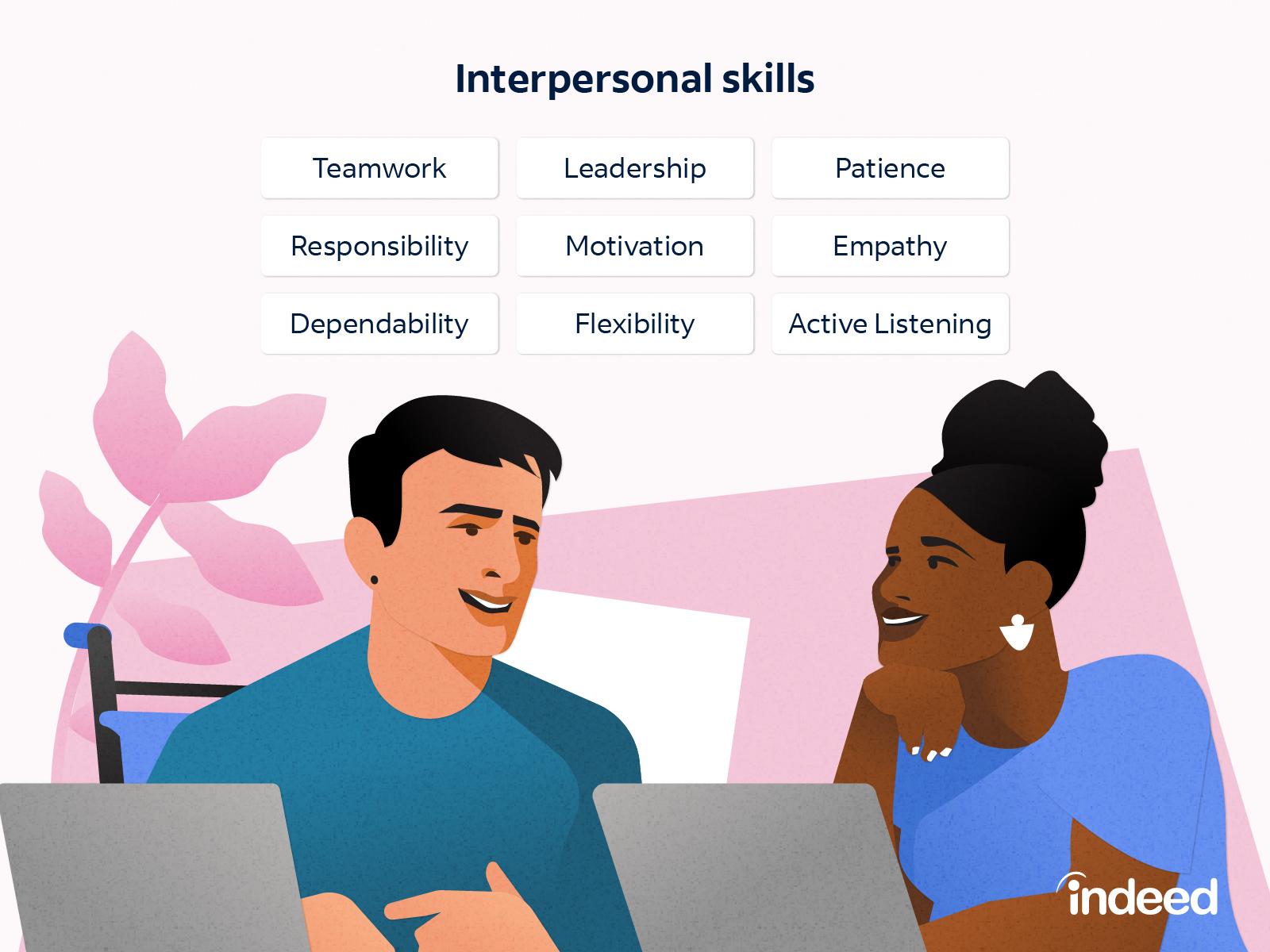
- Teamwork: Collaborate across departments to stay aligned with broader organizational goals and ensure thorough client support.
- Emotional Intelligence: Recognize and respond appropriately to the feelings and motivations of clients and colleagues, notably in high-pressure situations.
- Negotiation Skills: Confidently manage contract renewals, resolve disputes, and strike a balance between client satisfaction and organizational interests.
Benefits of working as a Client Relationship Manager in Education technology
The position of Client Relationship Manager in the education sector is both rewarding and future-oriented. Here’s why:
- Make a Difference: Support educators and students by helping them leverage digital tools that enhance learning experiences and outcomes.
- Job Stability: With the ongoing digital change in education, CRMs play a vital role, ensuring continued demand and career growth.
- Professional Development: Opportunities abound to learn about cutting-edge educational technologies and advance into higher-level roles or specializations.
- Networking: Build meaningful relationships with top educators, administrators, and technology leaders.
- Variety in Role: Each client and project brings new challenges, keeping the workday dynamic and engaging.
Practical Tips to Succeed as a Client relationship Manager in Education
If you’re aiming to land (and excel in) a CRM job at a school, college, or university, consider these practical strategies:
- Stay Current: Regularly read up on edtech trends, industry publications, and new products to keep your knowledge fresh.
- develop soft Skills: Invest time in building your communication, empathy, and conflict-resolution abilities.
- Leverage CRM Tools: Gain expertise in popular customer relationship management platforms, like Salesforce or hubspot, as many organizations rely on them.
- Embrace Professional Training: Attend workshops, pursue relevant certifications, and engage with online communities focused on education technology.
- Create Impact Stories: Document and share examples of how you’ve improved client relationships or facilitated prosperous technology implementations.
- Seek Feedback: Actively request feedback from clients and colleagues to guide your ongoing professional growth.
How to Stand Out in Your Application
When applying for a role as a Client Relationship Manager in education technology, make your resume and cover letter shine by:
-
Highlighting your experience with educational clients or technology platforms.
-
Describing situations where you’ve exceeded client expectations or solved complex problems.
-
Showcasing any relevant certifications, such as project management or edtech training.
-
Quantifying your impact — for example, increased client satisfaction scores or successful renewals.
Tailoring your application materials to each job description and using well-chosen keywords can improve your chances of passing both automated screening tools and impressing hiring managers.
The Future of Client Relationship Management in EdTech
As schools and higher education institutions increasingly prioritize digital transformation,the role of the Client Relationship Manager will continue to evolve. Those who possess both technical fluency and people-focused skills will be especially well-positioned to thrive and advance into senior leadership roles in education technology.
Conclusion
Pursuing a career as a Client Relationship Manager in the education sector is both challenging and highly satisfying. Whether you’re passionate about technology, education, or building long-term partnerships, this dynamic role offers opportunities for meaningful impact and professional growth. By honing the essential skills, understanding the core responsibilities, and following practical tips, you’ll be well on your way to success in education technology at universities, colleges, or schools.
Ready to embark on your journey? Start building your toolkit, stay curious, and get ready to shape the future of education through impactful client relationships.