
Top Skills and Responsibilities of a learning and Development Specialist: Career Guide
Introduction
The demand for Learning and Development Specialists in education technology (edtech) is steadily rising at universities, colleges, and schools worldwide.These professionals play an essential role in improving instructional outcomes, integrating new technologies, and elevating teaching and learning experiences. if you’re considering a career as a Learning and Development Specialist, understanding the top skills and responsibilities in this field is vital. This comprehensive guide will walk you through everything you need to know to succeed and secure a rewarding job in the rapidly growing edtech sector.
What is a Learning and Development specialist?
A Learning and Development (L&D) Specialist in the education technology landscape is an expert responsible for designing,implementing,and assessing training programs that support faculty,staff,and students in leveraging new technologies for educational purposes.Their primary goal is to foster continuous learning environments, increase digital competency, and support institutional goals through effective professional development initiatives.
Key Responsibilities of a Learning and Development Specialist in EdTech
At the intersection of pedagogy, technology, and organizational development, L&D Specialists manage several critical functions.Here are the main responsibilities you can expect in this role:
- Needs Assessment and Analysis: Collaborate with educators and administrators to identify skill gaps and technology training requirements.
- Program Design and Development: Create engaging learning modules, workshops, and resources using instructional design models and edtech tools.
- Facilitation and Delivery: Lead live training sessions, webinars, or asynchronous courses for faculty, staff, and students on a variety of educational technologies.
- Evaluation and Continuous Advancement: Assess training effectiveness, collect feedback, and refine programs to maximize learning outcomes.
- EdTech Integration: Support the implementation and adoption of learning management systems (LMS), digital assessment tools, and collaboration platforms.
- Stakeholder Communication: Serve as a bridge between IT, academic departments, and governance to ensure alignment and smooth technology rollouts.
- Resource Development: produce user guides, video tutorials, and support documentation tailored to various audiences and proficiency levels.
- Change Management: Guide organizations through the transition to new technologies, fostering resilience and adaptability among staff and students.
Essential Skills for Learning and Development Specialists in Education Technology
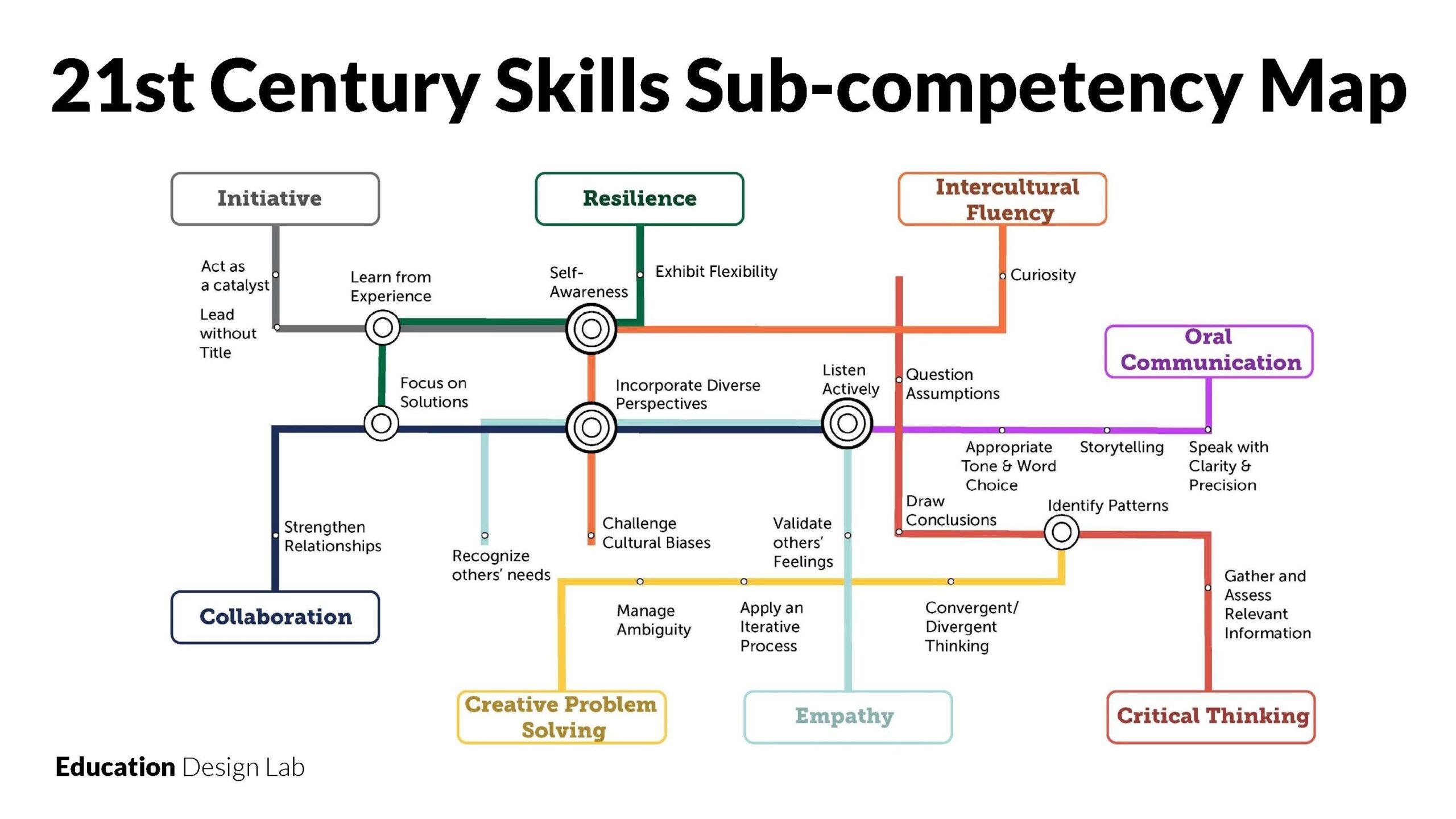
To succeed as an L&D Specialist in universities, colleges, or schools, candidates need a blend of technical, pedagogical, and interpersonal skills. Below are the top skills every aspiring professional should cultivate:
1. Instructional Design
- Expertise in applying instructional design frameworks such as ADDIE, SAM, or Bloom’s Taxonomy to develop effective learning materials.
- Ability to differentiate instruction based on learners’ needs and levels of technology proficiency.
2. Educational Technology Proficiency
- Hands-on experience with learning management systems (e.g., Canvas, Blackboard, moodle).
- Comfort with tools for content creation,assessment,and collaboration (e.g., Google Classroom, Kahoot, zoom, Microsoft Teams).
3. Analytical and Assessment Skills
- Competence in conducting training needs assessments and data-driven program evaluations.
- Ability to interpret analytics from digital tools to measure learning impact and adapt strategies.
4. Communication and Presentation
- Strong verbal and written communication to explain technical concepts in clear,accessible language.
- engaging public speaking and presentation abilities for delivering workshops or webinars.
5. Collaboration and Relationship Building
- Skill in partnering with educators,instructional designers,IT professionals,and administrators.
- Sensitivity to institutional culture and change management methods.
6. Project and Time Management
- Effectiveness in coordinating multiple projects, meeting deadlines, and prioritizing initiatives.
- familiarity with project management software is an asset.
7. Commitment to Continuous Learning
- Passion for staying up to date with emerging edtech trends and best practices.
- Eagerness to pursue relevant certifications or professional development.
Benefits of a Career as a Learning and Development Specialist in EdTech
- Impactful Work: Play a key role in advancing digital transformation and educational outcomes for institutions and learners.
- Career Growth: Opportunities to move into leadership roles, instructional design, or edtech consulting.
- Job Stability: With ongoing investments in educational technology,demand for these professionals continues to grow.
- Personal Fulfillment: Contribute to inclusive, accessible, and innovative learning environments.
- Diverse Work Habitat: Collaborate across departments and interact with a wide range of academic professionals and students.
How to Become a Learning and Development Specialist in Education Technology
Breaking into this rewarding career involves targeted education, hands-on experience, and a commitment to ongoing professional development. Here’s a practical roadmap:
-
Earn a Relevant Degree:
- Bachelor’s degree in Education, Instructional Design, Educational Technology, or a related field is frequently enough required.
- Master’s degree or certifications in instructional design or adult learning can give you an edge.
-
gain Experience:
- Pursue internships, volunteerships, or entry-level positions focused on training, curriculum design, or edtech implementation.
- Participate in projects involving technology integration or staff development at your institution.
-
Build a Portfolio:
- Develop and showcase e-learning modules, workshops, or digital tutorials you have designed or facilitated.
- Offer to lead training sessions for campus organizations or educational groups.
-
Network and Stay Current:
- Engage with professional organizations and attend relevant conferences or webinars.
- Subscribe to industry journals and edtech news to stay updated.
-
Earn Certifications:
- Consider credentials like Certified Professional in Learning and Performance (CPLP) or certificates in instructional design and learning technologies.
Practical Tips for landing a Learning and Development Specialist Job
- Align Your Resume: Highlight relevant experience, technical proficiency, and instructional design skills using job description keywords.
- prepare for Interviews: Be ready to discuss your process for needs analysis, designing engaging training, and managing change in schools or higher education environments.
- Show Evidence of Impact: Share data, feedback, or case studies demonstrating the effectiveness of your programs.
- Emphasize Adaptability: showcase your comfort with new tools, remote/hybrid learning environments, and evolving educational standards.
- Demonstrate Soft skills: Institutions value empathy, cultural competence, and your ability to motivate diverse learner populations.
Conclusion
A career as a Learning and Development Specialist in education technology offers an exciting blend of instructional innovation, professional growth, and the opportunity to make a lasting difference in how educational institutions operate. By understanding the top skills and responsibilities outlined in this career guide,job seekers can confidently pursue roles in universities,colleges,or schools. Develop your expertise in instructional design, deepen your edtech know-how, and harness your passion for lifelong learning to thrive in this dynamic field. Whether you’re new to education or looking to elevate your current impact, becoming an L&D Specialist in edtech could be your gateway to a fulfilling and future-proof career.